


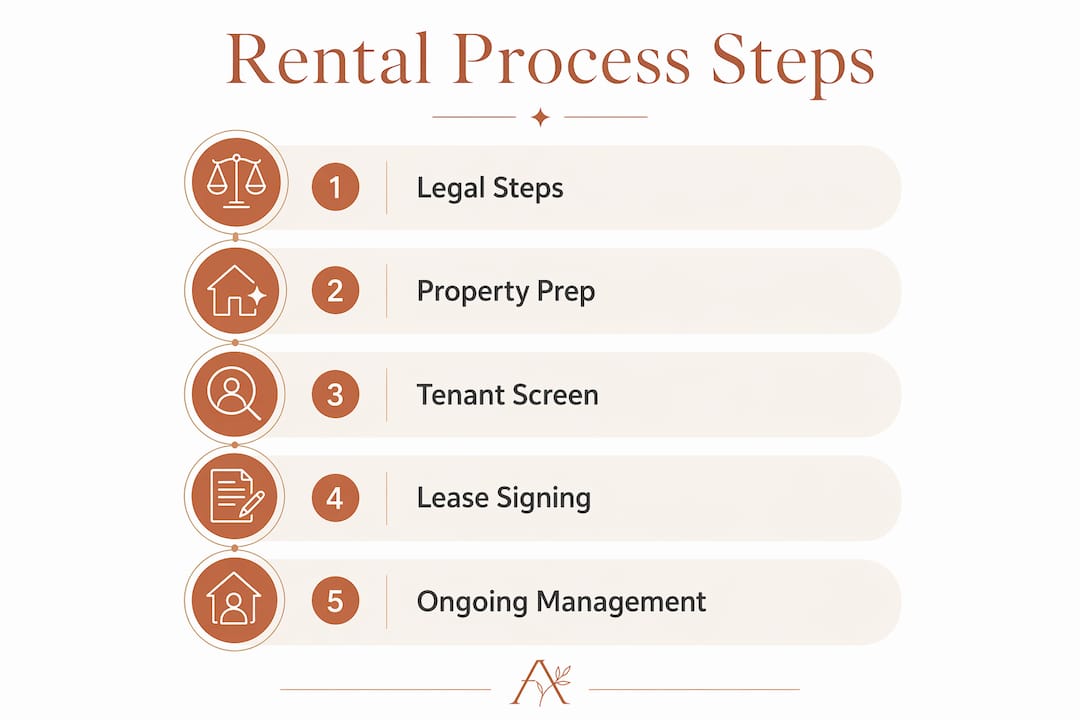
The landlord rental process is a structured series of legal, operational, and financial steps that every landlord must complete to lease property successfully and stay protected. From registering with local authorities to screening tenants and enforcing lease terms, each stage carries real legal weight. Skip one step and you risk fines, bad tenants, or costly evictions. This guide walks you through every stage of the rental process in clear, practical terms so you can lease with confidence from day one.
What legal steps must landlords complete before renting?
The landlord rental process begins with legal compliance, not property photos or tenant ads. Getting this foundation right protects you from penalties, discrimination claims, and unenforceable leases.
Start by checking whether your city, county, or state requires a landlord license or rental registration. Many jurisdictions require this before you collect a single dollar in rent. Alongside licensing, you must understand your obligations under the Fair Housing Act, which prohibits discrimination based on race, religion, sex, national origin, familial status, or disability. Violations carry penalties that can reach tens of thousands of dollars per incident.
Here are the core legal steps every landlord should complete before listing a property:
- Obtain any required landlord license or rental permit from your local housing authority
- Review your state’s landlord-tenant laws covering security deposits, notice periods, and habitability standards
- Purchase landlord insurance to cover property damage, liability, and lost rental income
- Understand fair housing rules and document your screening criteria before you ever speak to an applicant
- Know your eviction rules including required notice types and timelines, since errors here can restart the entire process
Eviction law is particularly unforgiving. Procedural errors, such as using the wrong notice form or serving it incorrectly, can void your entire case. Landlords in England, for example, must now serve a Section 8 notice using Form 3A to seek possession after May 1, 2026, replacing the old Section 21 process entirely. The principle applies everywhere: legal notice preparation is part of your leasing timeline, not an afterthought.
Pro Tip: Consult a local real estate attorney before your first lease. A one-hour consultation costs far less than defending a Fair Housing complaint or a botched eviction.
How should landlords prepare and price their property for rental?
A well-prepared property rents faster, attracts better tenants, and reduces your maintenance costs over time. Property preparation is not about luxury upgrades. It is about presenting a clean, safe, and functional home at a price the market supports.
Follow these steps to prepare and price your rental correctly:
- Complete all necessary repairs. Fix leaky faucets, broken locks, damaged flooring, and any structural issues before showing the unit. Deferred maintenance signals neglect to quality tenants.
- Meet safety requirements. Install working smoke detectors, carbon monoxide alarms, and proper handrails. These are legal requirements in most jurisdictions, not optional extras.
- Deep clean the property. Professional cleaning before every new tenancy sets the standard for how tenants should maintain the space.
- Research comparable rents. Use local market data, rental listing platforms, or a qualified agent to set a price that reflects current demand. Overpricing extends vacancy; underpricing cuts your returns unnecessarily.
- Consider targeted upgrades. Fresh paint, updated fixtures, and modern appliances can increase your achievable rent without major capital outlay. Understanding your rental yield potential helps you decide which upgrades actually pay off.
- Write a clear, accurate listing. Include square footage, bedroom and bathroom count, parking, pet policy, and lease terms. Vague listings attract unqualified inquiries and waste your time.
Pro Tip: Photograph your property after every repair and cleaning session. These dated photos become your baseline evidence if a tenant later disputes damage claims.
What is the tenant screening process and how do you do it legally?
The tenant screening process is the single most important filter in the landlord rental process. A thorough, legally compliant screening system protects you from non-payment, property damage, and costly evictions.

The rental application form is your starting point. A standardized form collects legal name, date of birth, current and prior addresses, employer details, income, and rental history. Using the same form for every applicant is not just efficient. It is legally required under Fair Housing principles, which demand consistent treatment across all candidates.
Once you have a completed application, run three checks with written consent from the applicant:
- Credit check: Reveals payment history, outstanding debts, and financial reliability
- Background check: Flags criminal history relevant to tenancy safety
- Eviction history check: Shows prior eviction filings, which are stronger predictors of future issues than credit scores alone
Apply your screening criteria uniformly. Consistent screening criteria protect you legally and prevent accusations of selective enforcement. Document every decision with written notes tied to objective criteria.
Here is where many new landlords make a costly mistake. Federal law under the Fair Credit Reporting Act (FCRA) requires landlords to send an adverse action notice when denying an applicant or imposing less favorable terms based on a consumer report. The notice must name the reporting agency, state the adverse action taken, and inform the applicant of their right to dispute the report.
| Screening action | Adverse action notice required? |
|---|---|
| Full denial based on credit report | Yes |
| Higher security deposit due to credit | Yes |
| Denial based solely on income | No (not a consumer report) |
| Conditional approval with co-signer | Yes, if triggered by screening report |
Skipping adverse action notices is one of the most costly compliance mistakes a landlord can make, exposing you to FCRA penalties. Treat every screening result that triggers a negative outcome as a formal workflow, not an informal conversation.
How to create and manage a compliant lease agreement
A lease agreement is a legally binding contract, and a poorly drafted one can leave you exposed on security deposits, maintenance obligations, and termination rights. State-specific lease templates reviewed by a licensed attorney are the safest starting point.
Your lease should include these core elements:
- Names of all tenants and occupants on the lease
- Rent amount, due date, and accepted payment methods
- Security deposit amount and the conditions for its return
- Maintenance responsibilities clearly divided between landlord and tenant
- Entry notice requirements (most states require 24 to 48 hours notice)
- Lease renewal and termination procedures with required notice periods
- All legally required disclosures such as lead paint, mold history, or flood zone status
Once the lease is signed, conduct a move-in inspection with your tenant and document the property’s condition in writing and photos. Both parties should sign the move-in checklist. This document is your primary defense if a deposit dispute arises at move-out.
Onboarding tenants through a property management platform such as Buildium, AppFolio, or TenantCloud centralizes rent collection, maintenance requests, and communication in one place. This reduces miscommunication and creates an automatic paper trail. Good landlord roles in leasing extend well beyond signing the lease. They include setting clear expectations from day one.
What ongoing landlord responsibilities keep a tenancy running smoothly?
Managing rental properties effectively requires consistent systems, not reactive scrambling. Once a tenant moves in, your responsibilities shift to maintenance, communication, rent collection, and legal compliance throughout the tenancy.
Here is how to manage the ongoing phase professionally:
- Use an online rent collection platform. Services like Zelle, PayPal, or dedicated property management tools create automatic records and reduce late payment disputes. Cash payments are difficult to document and should be avoided.
- Respond to maintenance requests within 24 hours. Slow responses damage tenant relationships and can create legal liability if a habitability issue goes unaddressed. Proactive maintenance tracking prevents small problems from becoming expensive repairs.
- Document every repair. Keep dated records of every maintenance request, your response, and the completed work. This protects you in disputes and demonstrates compliance with habitability laws.
- Respect tenant privacy. Entering a unit without proper notice violates tenant rights in most jurisdictions and can expose you to legal claims.
- Keep financial records organized. Track all income and expenses by property. This simplifies tax filing and gives you clear data on your actual returns.
If a tenant stops paying rent or violates the lease, follow your jurisdiction’s eviction procedures precisely. Serve the correct notice, wait the required period, and file with the court if necessary. Self-help evictions, such as changing locks or removing belongings, are illegal everywhere in the United States and expose you to significant liability.
Pro Tip: Send a brief written summary after every maintenance call or tenant conversation. A simple email saying “confirming we discussed X and I will complete Y by Z date” creates a record that protects both parties.
If you participate in subsidized housing programs, compliance requirements are even more specific. Landlords in the Section 8 program must maintain HQS-compliant properties to keep receiving Housing Assistance Payments, with annual inspections covering structure, utilities, and safety systems.
Key takeaways
A successful landlord rental process depends on legal compliance, consistent screening, and proactive management working together from the first day you list your property.
| Point | Details |
|---|---|
| Legal compliance comes first | Obtain required licenses, review landlord-tenant law, and secure insurance before listing. |
| Standardized screening protects you | Use the same application form and criteria for every applicant to satisfy Fair Housing requirements. |
| Adverse action notices are mandatory | Send FCRA-compliant notices whenever a consumer report influences your decision, including conditional approvals. |
| Lease quality determines your protection | Use state-specific templates with all required disclosures and conduct a signed move-in inspection. |
| Ongoing management needs systems | Use digital platforms for rent collection, maintenance tracking, and communication to create automatic records. |
What I’ve learned about the landlord rental process after years in property
Most new landlords underestimate how much of this process is legal, not logistical. The property preparation and tenant search are the visible parts. The compliance work, the adverse action notices, the correct eviction forms, the required disclosures, that is where landlords get hurt when they skip steps.
The single most common mistake I see is inconsistent screening. A landlord approves one tenant on gut feel, denies another with similar financials, and suddenly faces a Fair Housing complaint. Standardized criteria are not bureaucratic overhead. They are your legal shield.
Technology has made the operational side genuinely manageable. Platforms like TenantCloud and AppFolio handle applications, screening, lease signing, rent collection, and maintenance requests in one place. There is no reason to manage any of this on paper or through personal email in 2026.
My honest advice: treat your first rental like a business from day one. Set up a separate bank account for rental income, keep every document, and never skip a required notice. The landlords who struggle are almost always the ones who treated the process casually at the start. The ones who succeed build systems early and follow them consistently. If you want to understand how the Singapore rental market fits into your broader investment strategy, that context matters too. Property is a long game, and the process you build now shapes every tenancy that follows.
— Aman
How Aesthetic Havens supports new landlords
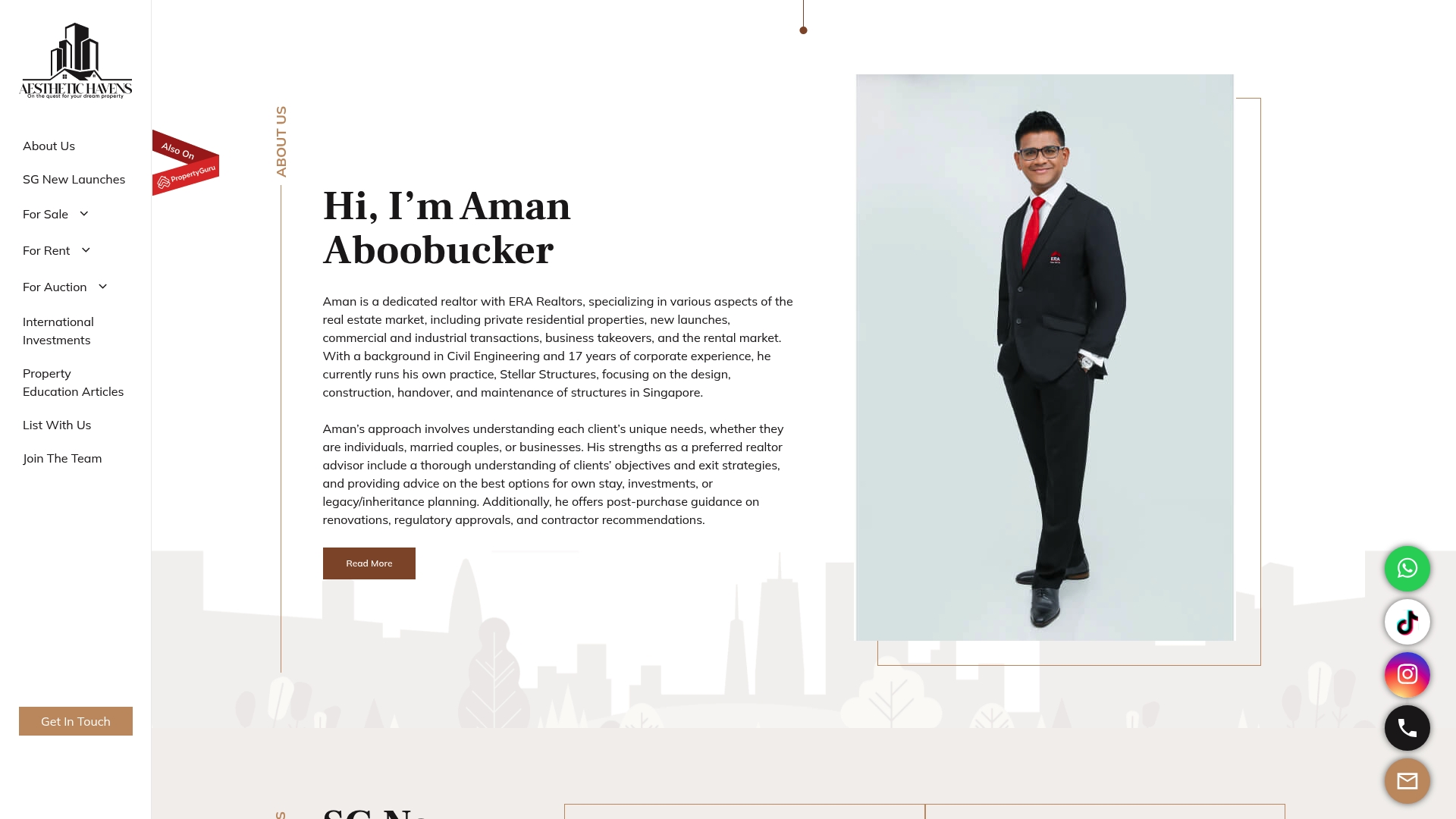
Navigating the landlord rental process alone is manageable, but it is significantly faster and safer with professional support. Aesthetic Havens, operated by Aman Aboobucker under ERA Realtors, provides hands-on guidance through every stage of the leasing process, from competitive rent pricing and tenant sourcing to lease preparation and ongoing management advice.
Whether you are listing your first property or building a rental portfolio, the team at Aesthetic Havens brings local market knowledge, legal awareness, and practical experience to every engagement. You get accurate pricing, qualified tenants, and leases that hold up. If you want expert help finding the right tenants and structuring your rental correctly, reach out to explore how professional leasing support can protect your investment from the start.
FAQ
What does the landlord rental process include?
The landlord rental process covers local law compliance, property preparation, insurance, rent pricing, tenant screening, lease creation, and ongoing management including maintenance and eviction procedures.
How do I find tenants legally and efficiently?
Post your listing on major rental platforms with accurate details, use a standardized application form, and apply consistent screening criteria to every applicant to comply with Fair Housing laws.
What is an adverse action notice and when is it required?
An adverse action notice is a written disclosure required by the FCRA whenever a landlord denies an applicant or imposes less favorable terms based on a consumer report. It must name the reporting agency and inform the applicant of their right to dispute the information.
Do I need a separate lease for each state or jurisdiction?
Yes. Lease requirements vary significantly by state and locality, covering security deposit limits, required disclosures, and notice periods. Using a state-specific template reviewed by a licensed attorney is the safest approach.
What is the fastest way to manage rental properties effectively?
Use a property management platform such as TenantCloud, Buildium, or AppFolio to centralize rent collection, maintenance tracking, and tenant communication. Digital systems reduce errors and create automatic records that protect you legally.


