


Yes, you can sell a property with a tenancy in place. The lease usually stays binding on the new owner, who steps into your shoes as landlord until it expires. Before you list, pull out the tenancy agreement and security deposit record, check your HDB approval status and Seller’s Stamp Duty exposure, and notify your tenant per the lease’s notice clause so viewings and completion run smoothly.
TL;DR:
- Sellers must review tenancy agreements, deposit records, and HDB approval status before listing to ensure smooth transfer and compliance.
- During the sale process, proper notice must be given for viewings, and all correspondence should be documented to prevent disputes.
- Selling an HDB flat requires reapplication for rental approval after transfer, while private properties skip this layer but still bind the buyer to existing lease terms.
- Early vacancy arrangements, such as cash-for-keys or allowances, must be documented in writing to avoid future disputes with tenants.
- Seller’s Stamp Duty rates vary from 16% within one year of purchase to 4% after four years, significantly impacting the sale decision if not properly planned.
Table of Contents
- What selling with tenancy means for you, the buyer and the tenant
- Legal rights and obligations during the sale process
- HDB versus private property: the rules that change your sale
- Step-by-step checklist and timeline for a tenanted sale
- Negotiating early vacancy without creating new disputes
- Tax and fees to budget for when you sell
- How Aesthetic Havens supports landlords selling tenanted homes
- Get help selling your tenanted property in Singapore
- Sources
- FAQ
What selling with tenancy means for you, the buyer and the tenant
A tenancy does not end just because ownership changes hands. If the lease is fixed-term, it continues until the expiry date regardless of who owns the property. A periodic tenancy (month to month, for instance) usually rolls on under the same terms until either party gives proper notice under the agreement.
The buyer takes over as landlord, inheriting the rent, the deposit obligations and every clause you signed up to. That is exactly why the paperwork matters so much when you sell.
Before marketing the flat or unit, gather:
- The signed tenancy agreement, including any addenda or renewal letters.
- An inventory list with the tenant’s acknowledged condition report.
- A security deposit ledger showing what was collected and any deductions made.
- Copies of rent receipts and any notices already served to the tenant.
Handing these over cleanly at completion saves the buyer from chasing you weeks later.
Legal rights and obligations during the sale process
Selling does not suspend a tenant’s right to quiet enjoyment. You still need to follow the access clause in the lease before arranging viewings, and you cannot let agents or buyers walk in unannounced.
- Give the tenant written notice of intended viewings, matching whatever notice period the lease specifies (commonly 24 to 48 hours).
- Keep every notice, email and photo of the property’s condition on file in case a dispute surfaces later.
- Confirm in writing who holds the security deposit through to completion and how it will be transferred or accounted for.
- Brief the buyer’s solicitor early on outstanding rent, upcoming renewal dates and any deposit deductions already agreed with the tenant.
Pro Tip: Send viewing requests through one channel, such as email, so there is a single dated trail if the tenant later claims they were not given proper notice.
HDB versus private property: the rules that change your sale
HDB flats carry extra layers that private properties do not. If you have rented out your flat, HDB requires prior approval and any change to your tenant’s particulars must be reported within 7 days. Renting without that approval can trigger penalties, including compulsory acquisition of the flat.
Selling triggers its own consequence: rental approval is automatically revoked once ownership transfers, so the incoming buyer must apply afresh through HDB’s e-services for rental approval if they intend to keep the tenant on.
Before listing an HDB flat with a sitting tenant, confirm:
- Your Minimum Occupation Period has been met, since this affects eligibility to sell at all.
- Your rental approval is current and the tenant’s particulars on file match reality.
- The buyer understands they must reapply for rental approval after transfer.
Private condos and landed homes skip the HDB approval layer entirely, but the lease itself still binds the buyer just as firmly.
Step-by-step checklist and timeline for a tenanted sale
Selling with a tenant in place works best when you sequence the legal steps against the tenancy calendar rather than treating them separately.
- Before listing, verify the tenancy agreement’s expiry date, audit the rent and deposit ledger, and confirm your HDB approval status through My HDBPage if applicable.
- Brief the tenant early, explaining the sale process and agreeing on reasonable viewing windows so cooperation is easier to secure.
- During marketing, position the lease as an asset for investor buyers seeking immediate rental income, or flag it as a timing factor for buyers who want to move in themselves.
- Once an Option to Purchase is granted, align the legal completion date with any lease milestones, such as an upcoming renewal or expiry.
- At completion, hand over the security deposit records, keys and tenant contact details to the buyer, and update HDB where the property requires it.
A rental checklist for landlords can help you keep these records organized well before a buyer is even in the picture.
Negotiating early vacancy without creating new disputes
Some buyers, particularly owner-occupiers, want the unit empty at completion. If your tenant is willing to move out early, a few approaches tend to work.
- Cash-for-keys: a lump sum in exchange for vacating by an agreed date, common when the remaining lease term is short.
- A relocation allowance covering moving costs, which tends to smooth over tenants who feel inconvenienced.
- Partial rent forgiveness for the final month, useful when the tenant needs time to find a new place.
Whichever route you choose, documenting the early termination in writing protects both sides: state the payment amount, the vacate date, the condition the unit must be returned in, and get signatures from both the tenant and a witness. Settle the security deposit adjustment in the same document.
Pro Tip: Add a clause releasing you from future claims once the tenant vacates and the deposit is settled, so a dispute cannot resurface after completion.
Watch for a tenant who agrees verbally then holds over past the agreed date. That can put you in breach of your obligations to the buyer, so build in a buffer between the vacate date and legal completion wherever the timeline allows it.

Tax and fees to budget for when you sell
Seller’s Stamp Duty is the cost that catches most landlords off guard. For residential property acquired on or after 4 July 2025, IRAS applies SSD-for-residential-property) at these rates:
- 16% of the price or market value, whichever is higher, if you sell within 1 year of purchase.
- 12% within 2 years.
- 8% within 3 years.
- 4% within 4 years.
Holding a property for more than 4 years removes SSD entirely for this acquisition schedule. That single detail can swing a sale decision by tens of thousands of dollars, so check your purchase date against the calendar before agreeing on a listing timeline.
IRAS calculates SSD on whichever is higher, the transacted price or the property’s market value and requires the SSD declaration and related documents to be kept for IRAS audits. Run your own numbers against the SSD holding period rules before settling a sale date.
Beyond SSD, budget for agent commission, conveyancing fees, any repairs the buyer’s survey flags, and whatever incentive you agreed with the tenant for early vacancy.

How Aesthetic Havens supports landlords selling tenanted homes
Selling a tenanted property means juggling lease terms, HDB status and SSD timing at once, which is where a consultancy earns its keep. A real estate consultancy helps sellers check tenancy documents, time completion against lease expiry, and coordinate viewings that keep tenants cooperative rather than combative. The goal is a sale that closes cleanly, without a holdover tenant or an HDB compliance gap tripping up the buyer’s approval.
— Aman
Get help selling your tenanted property in Singapore
Selling with a tenant in place is manageable, but the paperwork and timing details are easy to get wrong when you are doing it for the first time. Property valuation, sales coordination and tenant communication support, plus HDB and SSD checks can help ensure nothing slips through between listing and completion.
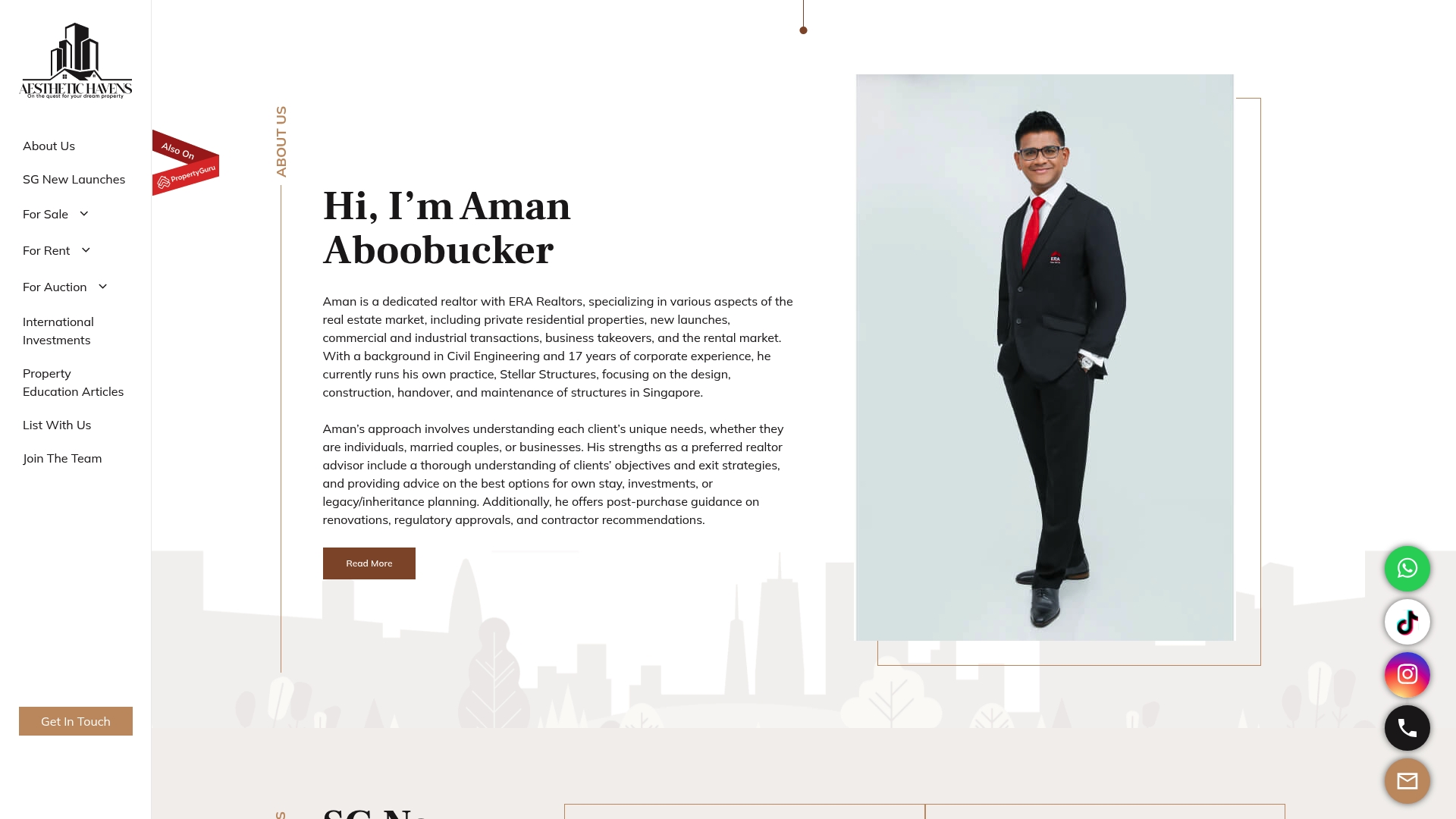
If you want a clear read on where your tenanted property stands, start with a property valuation or reach out through the Aesthetic Havens landing page to talk through your sale and tenancy timeline before you list.
FAQ
What does selling with tenancy mean?
Selling with tenancy means the property is sold while a tenant is still living there under a valid lease. The lease generally remains binding on the new owner, who becomes the landlord and must honor the existing rent and terms until the lease ends.
Can HDB be sold with tenancy?
Yes, an HDB flat can be sold while tenanted, but rental approval is automatically revoked once ownership transfers. The buyer must apply for fresh rental approval through HDB’s e-services if they want to keep the existing tenant.
Can my girlfriend live with me if she’s not on the lease?
Whether someone can stay with you depends on your specific tenancy or HDB occupancy terms, since unauthorized occupants can affect approval status for rented HDB flats. Check your lease and, for HDB properties, confirm the occupancy rules with HDB directly before adding anyone who is not on the tenancy.
Can I sell my house without a property agent?
Yes, private sales without an agent are legal in Singapore, though you take on the marketing, negotiation and paperwork yourself. Many tenanted sales benefit from professional coordination since aligning lease terms, viewing access and completion timing with a sitting tenant adds complexity beyond a straightforward vacant sale.


