

Introduction
Why District 9? For high-net-worth individuals and global investors scanning Singapore’s luxury property landscape, this question surfaces repeatedly – and for good reason. District 9, encompassing Orchard, River Valley, Cairnhill, Somerset, and Killiney, represents the purest expression of CBD-adjacent prestige living in a city-state with only 28 districts classified into 3 regions. It is the district where Orchard Road glamour, top-tier school corridors, diplomatic enclaves, and proven price resilience converge in a way no other postal code in Singapore can replicate.
This guide focuses on District 9’s role within the Core Central Region – specifically how it compares with Districts 10 and 11 across schools, embassies, MRT connectivity, pricing, rental demand, and long-term value. It is written for HNWIs, family offices, business owners, and overseas investors evaluating luxury housing or investment properties in Singapore’s prime areas. This is not a listings page, nor does it constitute legal or tax advice.
The short answer to “why District 9” is this: it delivers a singular combination of Orchard Road lifestyle convenience, proximity to elite schools and diplomatic residences, consistently strong high-end rental demand, and historical price resilience that has outperformed other regions during every major market correction in recent memory.
Here is what you will gain from reading further:
-
A clear understanding of where District 9 sits versus Districts 10 and 11 in the CCR hierarchy.
-
How embassies, international schools, and MRT lines underpin demand and property values.
-
A data-backed view of price performance and resilience during downturns.
-
Practical buying angles – own-stay versus investment – tailored for HNW buyers.
-
Where AESTHETIC HAVENS can help with sourcing, valuation, and portfolio strategy.
Understanding District 9 and the Core Central Region in Singapore’s Prime Property Landscape
District 9 is part of Singapore’s Core Central Region, a designation it shares with Districts 10 and 11 – the traditional “prime trio” that anchors the nation’s luxury real estate market. Singapore has 28 districts classified into 3 regions: the CCR at the apex, the Rest of Central Region (RCR) covering central areas outside the CCR, and the Outside Central Region (OCR), which encompasses areas outside the CCR and RCR, including suburban zones like Pasir Ris, Toa Payoh, and Dairy Farm. Residential prices in the CCR are generally higher than in RCR or OCR, reflecting the prestige, CBD adjacency, and liquidity that define core central living.
Within this hierarchy, District 9 is often treated as the flagship residential district – the barometer that analysts and investors use to gauge the health of Singapore’s prime condominium market. Its combination of retail spectacle, institutional anchors, and transport density gives it an identity distinct from the leafier enclaves of District 10 or the medical-hub convenience of District 11. Districts 9, 10, and 11 are known for luxury real estate, but District 9 occupies a unique position as the most internationally recognisable address in the country.
For global investors making their first foray into Singapore property, District 9 is frequently the starting point – not because it is the only option, but because it is the one district where lifestyle, connectivity, and capital preservation intersect most visibly.
Location, Boundaries and Micro-Precincts within District 9
District 9 is bounded roughly by Orchard Road to the north, River Valley Road and the Singapore River to the south, with Cairnhill Road and Killiney Road defining its eastern edges. Key landmarks include Orchard Boulevard, the Somerset commercial node, Robertson Quay’s riverfront dining strip, and the Dhoby Ghaut cultural precinct. MRT stations serving the district include Orchard, Somerset, Dhoby Ghaut (a three-line interchange), Great World on the Thomson-East Coast Line, and Fort Canning – most located within a 5–10 minute walk from major residential developments.
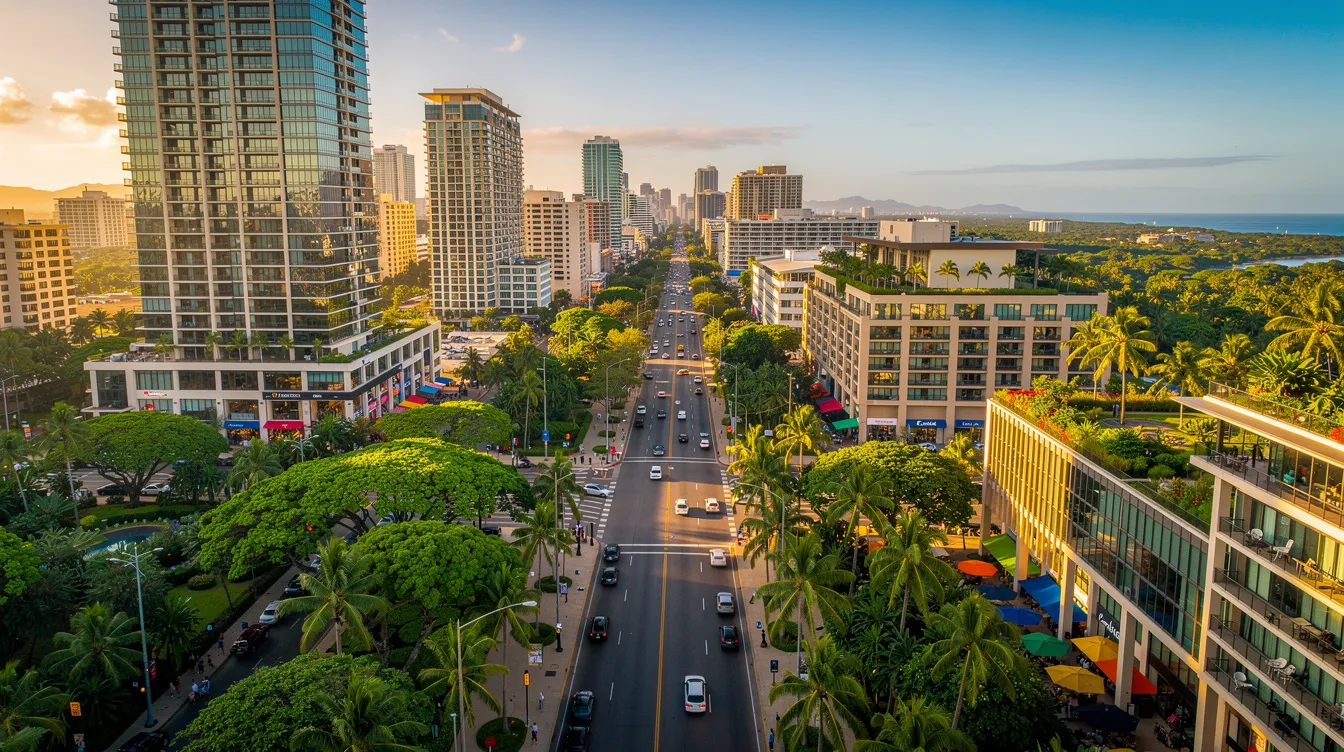
The district’s micro-precincts each carry a distinct character:
-
Orchard Boulevard / Paterson: Hyper-retail and flagship hospitality. Extremely walkable to malls and high-street dining. Highest profile, highest foot traffic.
-
Cairnhill / Killiney / Somerset: Elevated, quieter enclave with boutique condominiums. A mix of freehold older stock and newer launches. More exclusivity, less crowd.
-
River Valley / Robertson Quay / Great World: Riverside living with view corridors along the Singapore River. Balanced between lifestyle convenience and serenity – popular with families wanting breathing room without leaving the Orchard orbit.
-
Newton / Museum / Dhoby Ghaut fringe: Arts institutions, MRT interchange intensity, and compact city-edge units ideal for professional singles and couples.
District 9 within the Core Central Region (CCR) and the Traditional Prime Trio (9, 10, 11)
The URA segments Singapore’s private residential market into CCR, RCR, and OCR. District 9 is part of Singapore’s Core Central Region alongside Districts 10 and 11, plus the Downtown Core and Sentosa. The RCR includes central areas outside the CCR – parts of Alexandra, Queenstown, and other mid-tier neighbourhoods. The OCR encompasses everything beyond, from Pasir Ris to Jurong, and planned development of additional central business districts is expected to enhance the long-term potential of some OCR locations.
The classic “prime trio” narrative positions each district with a clear identity. District 9 is the city and lifestyle hub – Orchard Road shopping, CBD proximity, and international recognisability. District 10 covers Holland, Ardmore, and Bukit Timah, offering greenery, larger landed plots, and proximity to elite schools like Hwa Chong and Henry Park Primary. District 11 centres on Newton and Novena, anchored by a medical hub, city-fringe convenience, and slightly lower entry quantum compared with District 9.
Many luxury benchmarks and price indices use District 9 as a barometer for prime condo pricing, making it the reference point against which other prestigious districts are measured. With that geographic and hierarchical context established, the natural next question is: what specifically drives the demand – and the prices – that set District 9 apart?
Why District 9 is So Coveted: Core Drivers of Demand
District 9’s premium over other districts in the Core Central Region is not accidental. It rests on four reinforcing pillars: an unmatched lifestyle ecosystem along Orchard Road, multi-modal transport connectivity, institutional anchors such as top schools and embassies, and a track record of investment resilience that continues to attract global capital. District 9 is known for high-end condominiums and shopping malls, and that combination of living and commerce is precisely what makes it irreplaceable in Singapore’s property landscape.
Orchard Road Lifestyle, Shopping and Hospitality
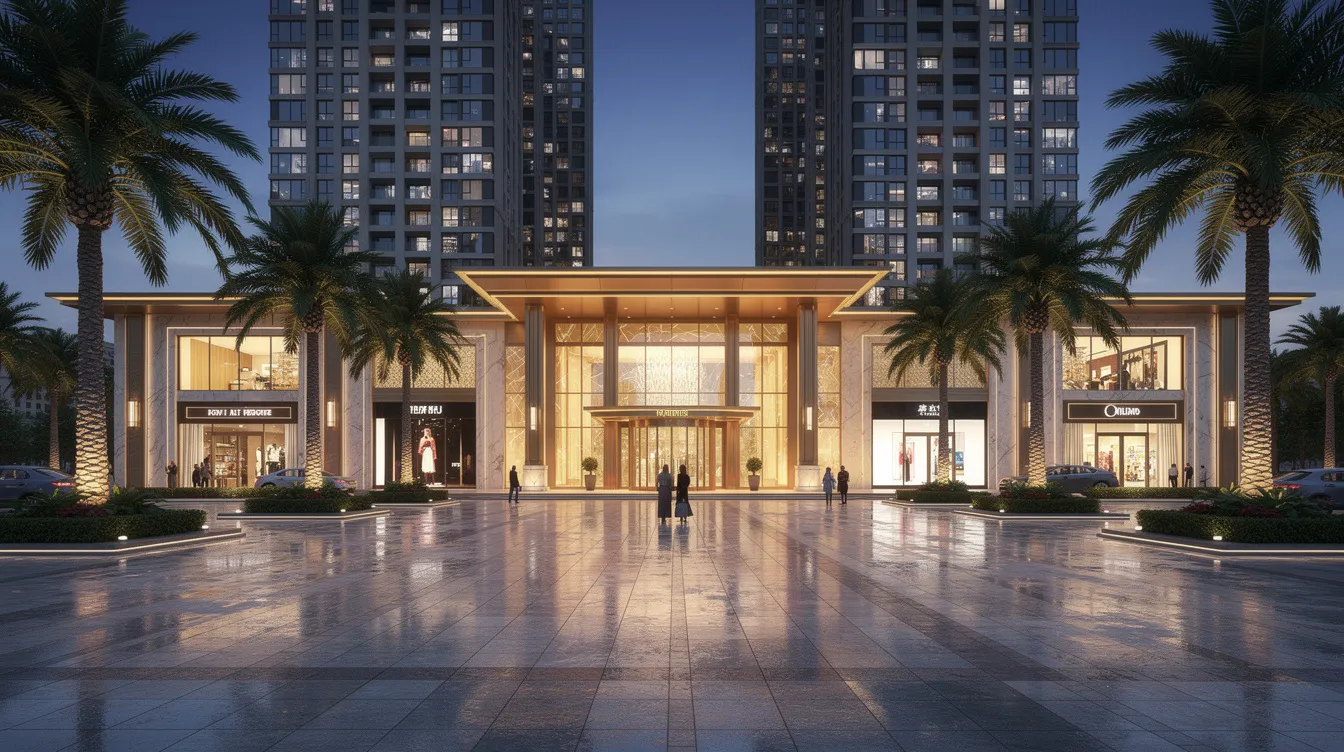
Orchard Road is Singapore’s flagship retail boulevard – a 2.2-kilometre stretch lined with ION Orchard, Ngee Ann City, Paragon, Mandarin Gallery, and dozens of other malls that together form the densest luxury retail corridor in Southeast Asia. District 9 features luxury condos with high-end finishes situated minutes from this commercial spine, and that proximity is central to the district’s appeal for expatriates, executives, and HNW families who value walk-to-mall convenience.
The hospitality cluster reinforces the prestige: Marriott Tang Plaza, Hilton Singapore Orchard, and the nearby St Regis (functionally part of the same lifestyle belt though technically located in District 10) create an environment where five-star services, dining, and concierge-level living standards are the norm rather than the exception. This ecosystem has transformed Orchard into more than a shopping street – it is a self-contained luxury precinct.
-
Everyday convenience: Groceries, medical clinics, specialty F&B, and personal services are all within walking distance.
-
Status signalling: For global HNW buyers, an Orchard address carries immediate recognisability – a factor that cannot be understated when prestige and international perception contribute to purchasing decisions.
-
Rental ecosystem: The lifestyle density supports corporate leases, diplomatic tenancies, and senior management housing – the backbone of District 9’s rental market.
Connectivity and MRT Lines: Orchard, North-South, Downtown & Thomson-East Coast
District 9’s transport connectivity is among the densest in Singapore. The North-South Line serves Orchard and Somerset stations; the Downtown Line connects through Newton; the North-East Line passes through Dhoby Ghaut; and the Thomson-East Coast Line – which opened its Orchard and Great World stations in late 2022 – has added another high-frequency connection that can bring residents more direct access to the CBD, Marina Bay, and the future Greater Southern Waterfront.
Dhoby Ghaut functions as a three-line interchange (NSL, NEL, Circle Line), making it one of the best-connected nodes on the entire network. For residents along River Valley, the Great World TEL station has been a significant enhancement, reducing travel times to Raffles Place and Marina Bay to just a handful of stops.
Road connectivity is equally strong. The CTE and arterial routes via River Valley Road, Cairnhill, and Orchard Boulevard enable off-peak drives to the CBD in under 10–15 minutes. Proximity to the CBD boosts property values in District 9, and multi-modal access ensures that residents – whether they commute by MRT, drive, or use private-hire – find the district exceptionally well-served.
-
River Valley condo to Raffles Place: 2–3 MRT stops via Great World and TEL, or approximately 10-minute drive.
-
Orchard condo to Marina Bay: 3–4 stops on the Thomson-East Coast Line.
-
Dhoby Ghaut to Harbourfront / Sentosa: direct NEL connection, under 15 minutes.
Schools, International Schools and Education Corridors Near District 9
Top-tier schools in District 9 maintain high property values – this is not just conventional wisdom but a function of Singapore’s MOE Primary 1 registration system, which gives priority to children living within 1 km of a school, then those within 1–2 km. The practical effect is that condominiums near River Valley Primary School (2 River Valley Green), Anglo-Chinese School (Junior) at Winstedt Road, or St Margaret’s Primary School (Sophia Road) carry a measurable premium driven by family demand.
Within the 1-km ring of River Valley Primary alone, roughly 180 developments are located – predominantly non-landed condominiums with walking distances to Great World MRT (~240 m) and Somerset MRT (~760 m). Projects like The Avenir, River Green, and Martins Modern benefit directly from this school proximity.
International schools accessible by short commute include ISS International School at Paterson Road, Chatsworth International School in the Orchard area, and Singapore Management University at Bras Basah for tertiary-level context. For expatriate families, the combination of MOE school access and international school options within the same district is rare in Singapore.
-
Owner-occupier demand: Families actively seek properties within school priority bands, sustaining baseline demand.
-
Rental demand: Expatriates with school-age children prioritise District 9 for the same school-proximity reasons, strengthening the rental market.
-
Long-term value retention: School-adjacent luxury properties in District 9 consistently outperform non-school-adjacent areas in terms of resale liquidity and price stability.
Embassies, Consulates and Diplomatic Enclaves Around District 9
The embassy belt along Orchard Boulevard, Nassim Road, and Tanglin Road – home to the U.S. Embassy, British High Commission, Japanese Embassy, and numerous other diplomatic missions – sits either within District 9 or within a 5–10 minute drive in adjacent District 10. This concentration of diplomatic presence drives a specific and stable category of rental demand: secure, high-specification housing for embassy staff, attachés, and their families.
District 9 attracts strong foreign buyer interest, and the diplomatic community is a significant contributor to that trend. Embassies typically lease properties on corporate terms, often at premiums above market rates, and require features such as enhanced security, concierge services, and high-end finishes – exactly the products District 9’s newer condominiums deliver.
-
Regional HQ executives: Multinational corporations headquartered at Raffles Place and Marina Bay frequently house senior staff in District 9.
-
Embassy and consulate personnel: Diplomatic leases tend to be longer and more predictable than typical residential tenancies.
-
Wealth managers and private bankers: Orchard and River Valley offer proximity to both Raffles Place financial institutions and the lifestyle amenities these professionals expect.
-
Affluent single professionals: The Somerset and Robertson Quay precincts attract younger, high-earning tenants drawn to the nightlife and riverside dining scenes.
Price Levels, Rental Yields and Resilience in District 9
The qualitative appeal of District 9 – lifestyle, schools, embassies, connectivity – translates into quantitative performance that investors can measure. This section examines pricing, resilience during downturns, and rental dynamics, comparing District 9 with Districts 10 and 11 using recent market data.
Benchmark Prime Pricing in District 9 vs Districts 10 and 11
District 9’s median price per square foot for non-landed private residential properties stands at approximately S$2,884 as of late 2026 – roughly 27% above the island-wide median across all districts. The typical median transacted price across bedroom types is around S$2.60M.
New launches command a significant premium: recent new-sale units in District 9 have averaged approximately S$3,252 psf versus S$2,352 psf for resale over the past 12 months. Newer freehold units fetch approximately S$3,100–3,800 psf, while older freehold and 999-year leasehold stock trades at S$2,400–2,900 psf.
Compared with District 10, which tends toward fewer ultra-high mall-frontage projects, District 9 often commands the top end of per-square-foot pricing outside of exceptional private-estate plots. District 11 (Newton, Novena) typically offers lower psf for similarly sized properties, reflecting its slightly more peripheral location and less concentrated retail prestige.
-
1-bedroom units in D9: Approximately S$2,800–3,100 psf; total quantum around S$1.35M–1.45M.
-
2-bedroom units in D9: Often S$3,000+ psf; total quantum approximately S$2.0M.
-
3-bedroom units in D9: Around S$2,950 psf; prices near S$2.8M.
-
Larger 4–5 bedroom units: Higher total quantum (S$3.4M–5M+), slightly lower psf as unit size increases.
An interesting tenure dynamic exists: 99-year leasehold projects in District 9 currently average approximately S$3,003 psf – actually higher than freehold stock at S$2,504 psf. This inversion reflects the quality, floor levels, and locations of newer leasehold developments rather than a fundamental shift in tenure preference.
Price Resilience During Market Corrections
History suggests that District 9’s price resilience is not merely anecdotal. During the Global Financial Crisis of 2008–09, the COVID-19 disruption in 2020, and the interest-rate-driven slowdown of 2022–2024, prime CCR properties – and District 9 in particular – experienced shallower declines and faster recoveries than mass-market segments in other regions. Government cooling measures can also moderate demand and influence how quickly prices reset across segments.
The most recent data reinforces this pattern: URA price indices show that CCR non-landed prices rose +1.8% in Q2 2026, while RCR declined −1.2% and OCR fell −0.1%. This divergence underscores the continuing flight to quality that benefits District 9 during periods of uncertainty.
Key reasons for this resilience include a deep pool of both local and foreign buyers, the trophy status of Orchard-core addresses, limited supply of freehold and 999-year plots in the district, and sustained institutional interest in prime assets. Properties with unique “moats” – river frontage, unblocked view corridors, direct MRT access – tend to sustain value most effectively.
-
Smaller forced-sale discounts during downturns compared with OCR projects.
-
Quicker price rebounds once market sentiment stabilises.
-
Sustained transaction volumes even in slower years, reflecting genuine end-user and long-term investor demand.
-
New launches in District 9 often set benchmarks that lift resale values across the precinct.
Rental Demand, Yields and Tenant Profiles
Gross rental yields in District 9 are modest by Singapore standards – typically ranging from approximately 2.3% to 3.4% depending on unit size and location. Blended yields across all unit types average around 2.9%, with 1-bedroom units approaching 3.0% and larger 4–5 bedroom units closer to 2.1–2.3%. These are lower than yields achievable in city-fringe or suburban districts, and while some OCR locations have been making waves for higher-yield seekers, the trade-off in District 9 is stronger capital values, higher tenancy quality, and superior liquidity.
The median rent in District 9 is approximately S$5,850 per month across all bedroom types, with the middle half of contracts ranging from S$4,300 to S$8,200. Asking rents average around S$6 per square foot per month.
The tenant mix is distinctly HNW: MNC executives commuting to Raffles Place and Marina Bay, private bankers, technology sector professionals, diplomats, and affluent single professionals. Lease lengths are predominantly 1–2 years, corporate leases are prevalent, and tenants expect high-end finishes, full condominium facilities, security, and in some cases concierge services.
-
1-bedroom: Rents typically in the S$3,500–4,800/month range.
-
2-bedroom: Approximately S$5,000–7,500/month depending on precinct and furnishings.
-
3-bedroom: S$7,000–12,000/month, with premium addresses and river views at the upper end.
-
4-bedroom and above: S$10,000–18,000+/month for trophy-grade units.
Buying in District 9: Practical Strategies for HNW Investors and Owner-Occupiers
When “why District 9” evolves into “how to buy well in District 9,” the approach requires disciplined analysis rather than impulse. The price and resilience data above provide the foundation; this section translates those insights into actionable strategies for both owner-occupiers and portfolio investors.
Step-by-Step Approach to Selecting a District 9 Property
This process applies whether you are acquiring a legacy home, a pied-à-terre, or a pure investment asset within District 9:
-
Clarify your objective: Determine whether this is a pure investment, a multi-generational family home, a pied-à-terre for periodic stays, or an anchor residence for relocation to Singapore. Each objective changes how you weight yield versus lifestyle versus tenure.
-
Set budget and financing structure: Account for ABSD tiers (particularly significant for foreign buyers and those holding multiple properties) and current MAS LTV limits. Structure the purchase with your tax and legal advisors before shortlisting.
-
Choose your micro-location: Decide between the Orchard core (shopping, maximum prestige), River Valley / Robertson Quay (riverside serenity, family-friendliness), or Cairnhill / Killiney (quieter hilltop exclusivity). Your MRT line preference and school proximity requirements will narrow this further.
-
Decide on asset type: Freehold versus 99-year leasehold; larger older unit with refurbishment potential versus smaller newer unit with modern finishes; boutique low-rise versus large full-facility condominium.
-
Assess downside risk: Review recent transactions, current vacancy rates, and upcoming supply from GLS sites or en-bloc redevelopments in the immediate vicinity. Projects least exposed to direct competition tend to outperform.
-
Engage data-backed advisory: AESTHETIC HAVENS provides valuation benchmarking, rental projections, and negotiation strategy grounded in transaction-level data – essential for making informed decisions in a market where headline psf can obscure significant unit-by-unit variation.
Comparing Key Micro-Precincts within District 9: Including River Valley
|
Criterion |
Orchard Blvd / Paterson |
Cairnhill / Newton Fringe |
River Valley / Robertson Quay |
Somerset / Killiney |
|---|---|---|---|---|
|
Primary Appeal |
Flagship shopping, international visibility |
Quiet exclusivity, elevated terrain |
Riverside lifestyle, dining, family living |
Boutique urban living, cultural proximity |
|
Typical Buyer / Tenant |
Global UHNW, corporate executives |
Privacy-seeking HNW families |
Expat families, diplomats, young professionals |
Professional couples, single executives |
|
MRT Connectivity |
Orchard (NSL/TEL), Orchard Blvd (TEL) |
Newton (NSL/DTL) |
Great World (TEL), Fort Canning |
Somerset (NSL), Dhoby Ghaut (interchange) |
|
Indicative Price Level |
Highest within D9 |
Higher |
Moderate to higher |
Moderate within D9 |
|
Key Risk / Trade-off |
Traffic congestion, road noise, smaller outdoor spaces |
Fewer retail options within walking distance |
Some blocks face future development risk |
Smaller unit sizes, fewer schools within 1 km |
For buyers prioritising a globally recognisable address and maximum rental liquidity, Orchard Boulevard and Paterson remain the default. For those seeking long-term family living with river views and school access, River Valley and Robertson Quay offer superior balance. Cairnhill suits buyers who find value in lower density and privacy, while Somerset and Killiney appeal to professionals who want the energy of city-centre living without the tourist crowds of Orchard proper.
Visualising District 9: Maps and Photos
For overseas buyers and first-time visitors, visual context is essential. The images below illustrate why District 9 commands the prices and demand it does.
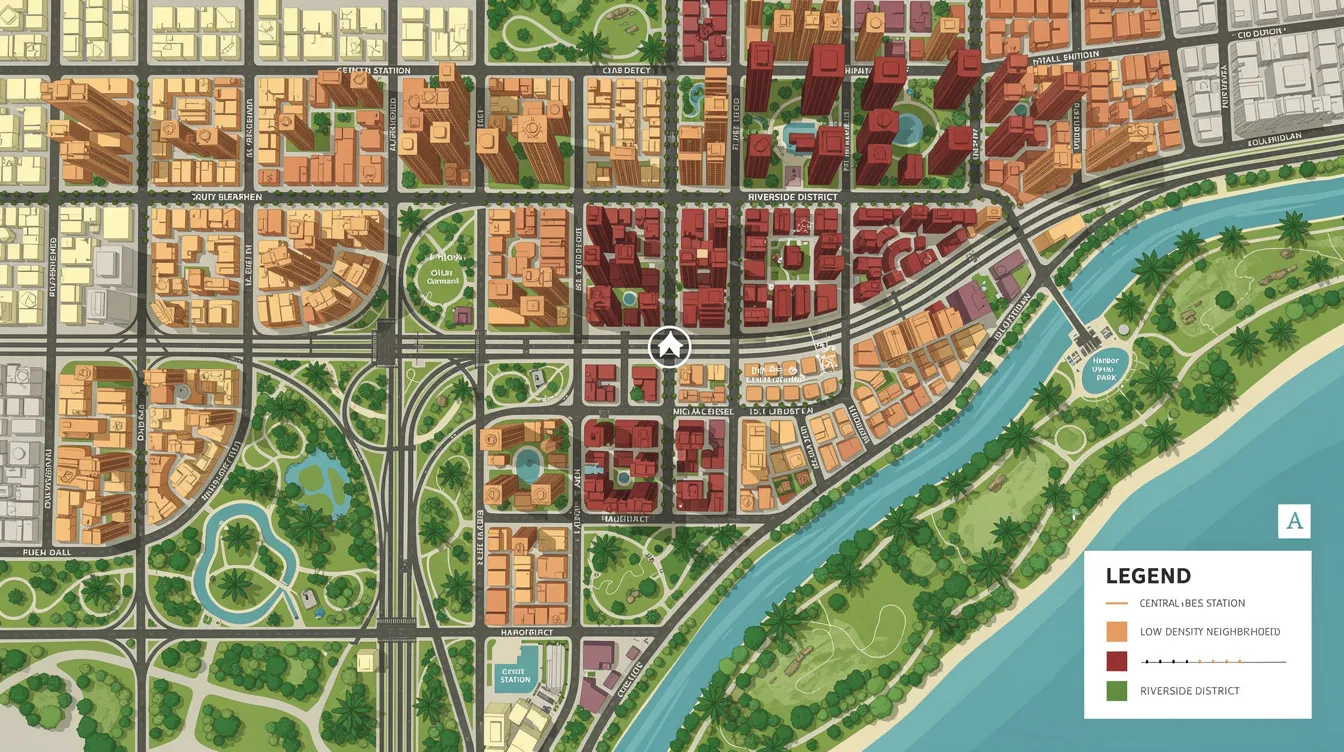
District 9’s boundaries relative to Districts 10 and 11, with MRT lines overlaid. Notice the density of stations within a compact area – a key driver of walkability and property values.
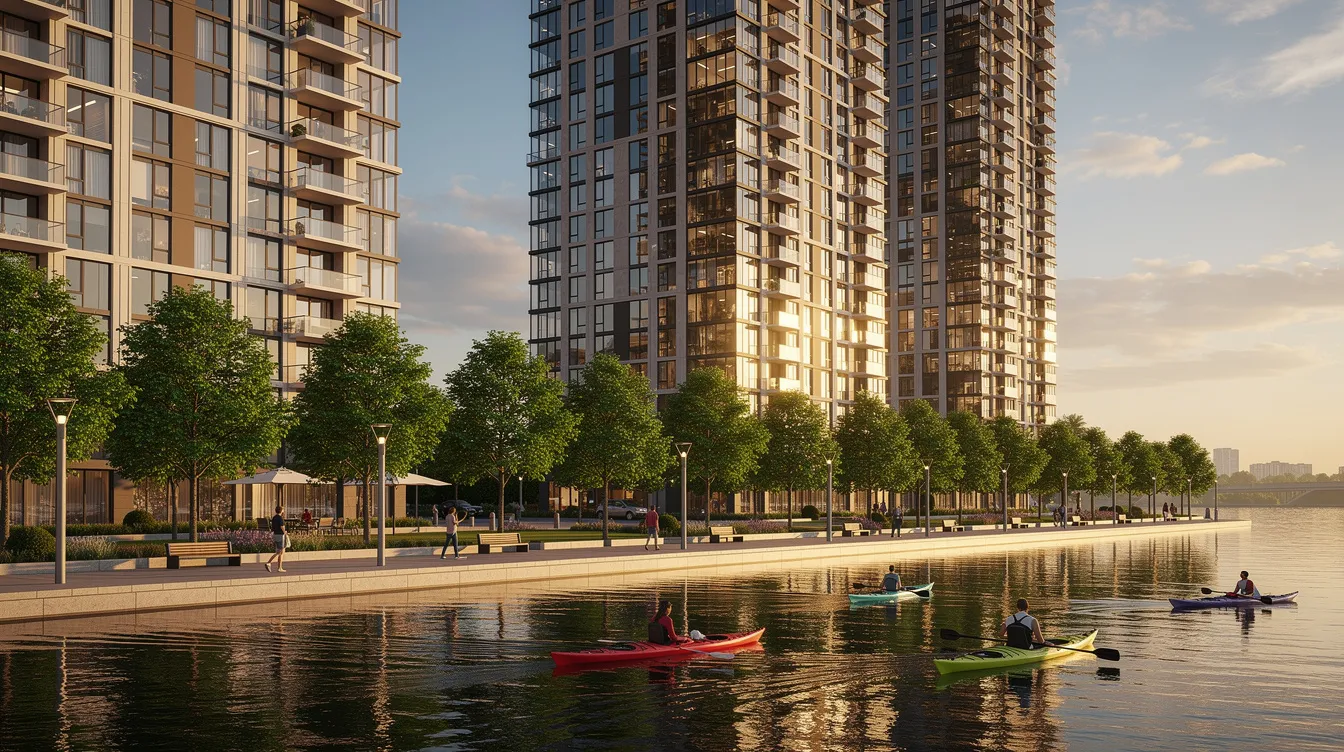
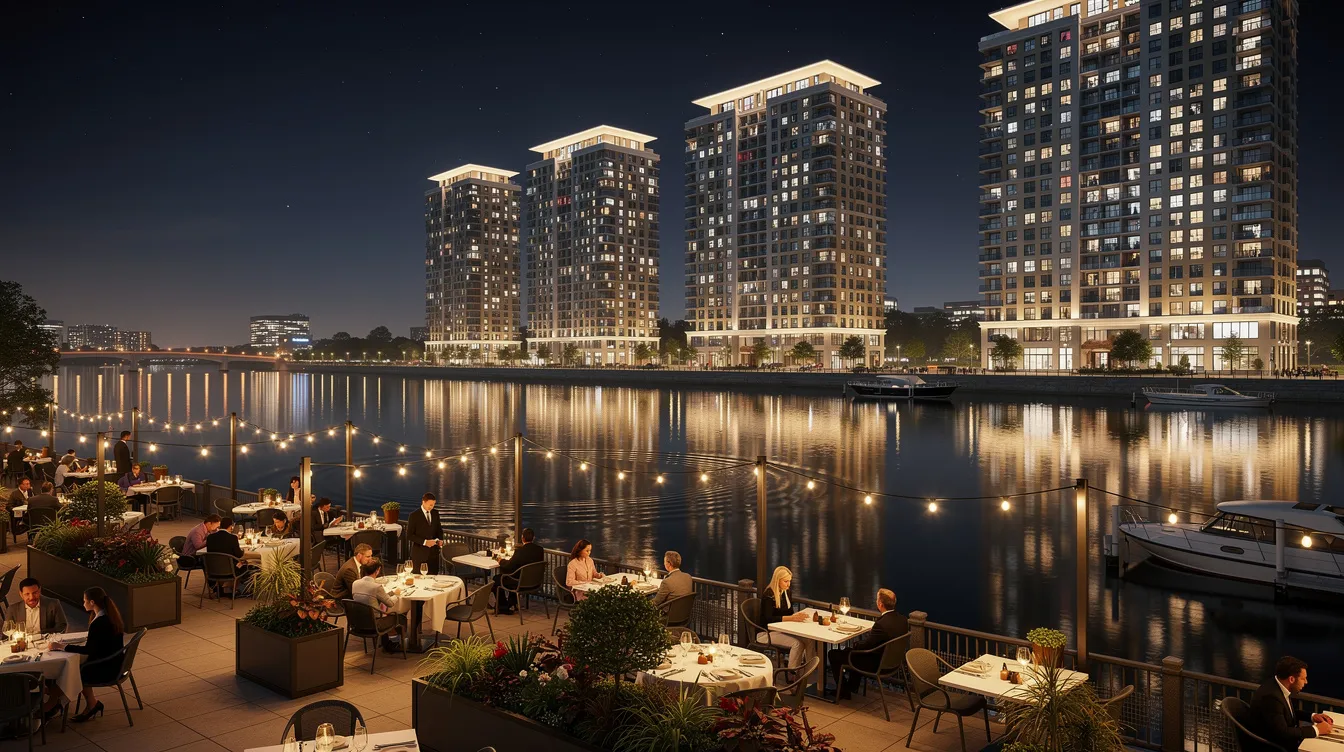
River Valley and Robertson Quay: the quieter side of District 9, where riverside residences command premiums for their view corridors and lifestyle appeal. High retail and F&B footfall along the quay underpins consistent rental demand.
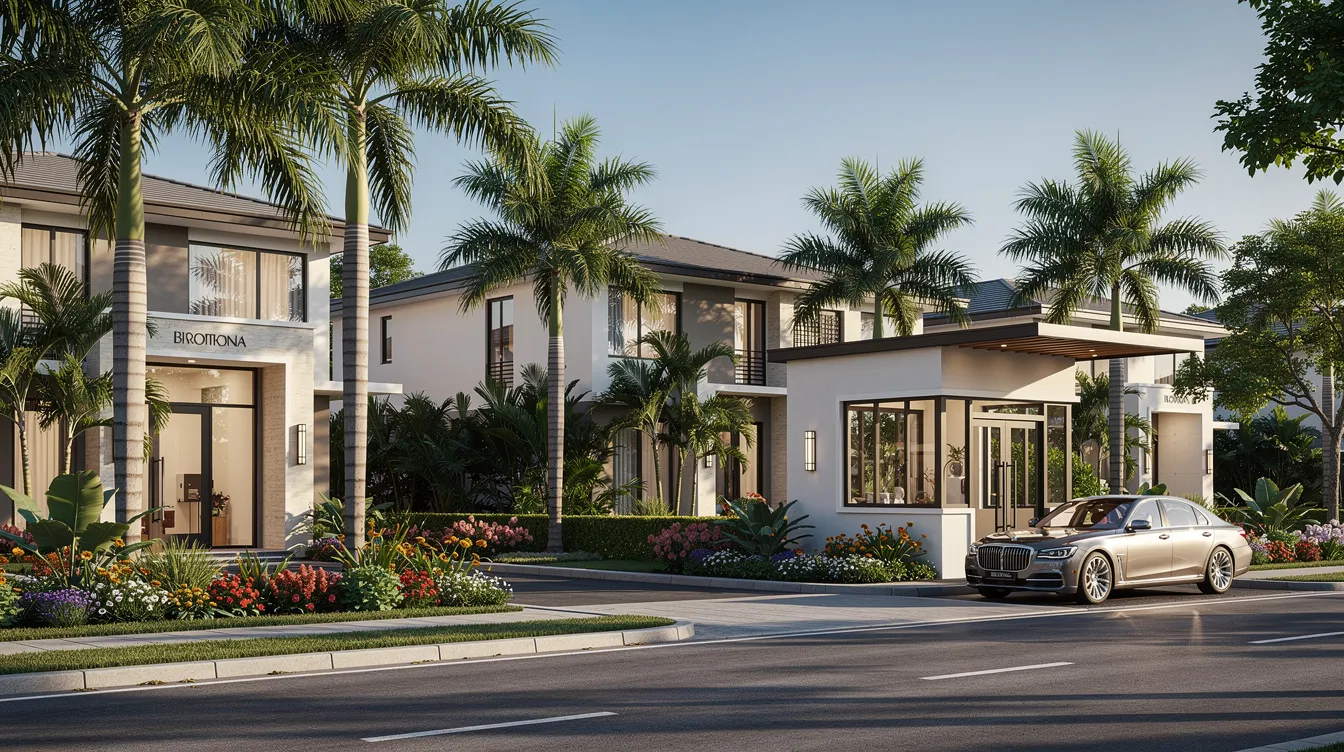
A Cairnhill residential street: low-density greenery coexisting with high-value condominium towers. This micro-precinct offers quieter living just minutes from Orchard Road’s bustle.
Common Concerns When Choosing District 9 (and How to Address Them)
Even among sophisticated HNW buyers, District 9 raises legitimate questions. Some notice the headline psf and wonder about entry timing. Others agree that lifestyle is unmatched but question yield relative to options in other regions. These concerns deserve direct, practical responses.
“Are District 9 Prices Already Too High?”
This concern typically reflects anchoring bias – focusing on headline psf without accounting for freehold tenure, replacement cost of land in the Orchard core, and the scarcity of new sites. When you evaluate “too high” against the right benchmarks – previous cycle peaks, comparable districts, and rental support levels – District 9’s pricing often appears more rational than emotional.
The actionable solution: rather than trying to time the market, focus on relative value within District 9. Older freehold properties with modern refurbishment potential, or well-located units in slightly quieter micro-precincts, often represent better entry points than chasing the newest launches at peak psf. Foreign buyers significantly invest in District 9 properties precisely because they view land scarcity and institutional demand as structural, not cyclical.
“Will New Supply or GLS Sites Nearby Depress Values?”
Government Land Sales sites and en-bloc redevelopments in the Orchard and River Valley precincts are a recurring feature of District 9’s landscape. However, the historical pattern is instructive: new high-priced launches in the coming years tend to reset benchmarks upward, supporting rather than undermining resale values for existing stock – provided the existing property has strong location fundamentals.
The solution is project-specific due diligence. Assess each property’s unique moat: does it have unblocked river frontage, a protected view corridor, direct MRT access, or a school within its 1-km ring? Avoid blocks most exposed to future construction or oversupply, and prioritise developments with features that cannot be replicated by incoming supply.
“Should I Pick District 10 or 11 Instead of District 9?”
Many HNW portfolios hold exposure across multiple prime districts – this is not always an either-or decision. The core contrasts are clear:
-
District 10: Closer to top schools (Henry Park Primary, Hwa Chong) and the greenery of Holland and Bukit Timah. More “residential suburb” in feel. Better for buyers whose primary goal is family-school adjacency and larger living spaces.
-
District 11: Newton and Novena offer a medical hub, city-fringe convenience, and often slightly lower entry quantum. Practical for people prioritising healthcare access and value within the CCR.
-
District 9: The purest expression of CBD-adjacent city living, international recognisability, and Orchard Road prestige. Best for buyers who want a globally legible address, maximum connectivity, and strong rental demand from the corporate and diplomatic tenant pool.
The solution: align your selection with your primary goal and time horizon. If global recognisability and rental liquidity are paramount, District 9 is difficult to replace. If school-age children and green space drive the decision, District 10 merits serious consideration. AESTHETIC HAVENS can model scenarios across all three districts, comparing projected yields, capital appreciation, and lifestyle fit for your specific circumstances.
Conclusion and Next Steps
District 9 remains a cornerstone of luxury and HNW investing in Singapore because it delivers what no other single district can: the convergence of Orchard Road’s lifestyle infrastructure, dense MRT connectivity to the CBD and beyond, proximity to elite schools and diplomatic enclaves, and a history of price resilience that has weathered every major correction since 2008. It is a district where prestige is not merely perceived but structurally supported by scarcity, demand, and institutional anchors.
District 9 is known for high-end condominiums and shopping malls, and it has a reputation as a prestigious residential area – but beyond reputation, the data confirms that its fundamentals continue to justify the premium. For HNW buyers waiting for the “right moment,” the evidence suggests that time in the market matters more than timing in a district where supply is constrained and demand is global.
Here are your concrete next steps:
-
Clarify your priority: Is this a legacy home, safe-haven capital allocation, or income-producing prime rental asset? Each demands a different micro-precinct and tenure strategy.
-
Shortlist 2–3 District 9 micro-precincts that align with your family’s school requirements, commuting patterns, and lifestyle preferences.
-
Request a detailed D9 vs D10 vs D11 data pack from AESTHETIC HAVENS – including recent psf ranges, rental benchmarks, yield comparisons, and transaction maps.
-
Schedule a consultation with AESTHETIC HAVENS to review your current property portfolio and determine where District 9 fits within your broader allocation.
-
Conduct on-site visits (or virtual tours with photos and videos) to at least one Orchard-core project and one River Valley development to experience the contrast first-hand.
Related topics you may wish to discover next include industrial and office assets in Districts 1 and 2 for business owners, family-office strategies for mixing residential and industrial properties for enhanced yield, and tax or structuring considerations – areas where specialist legal and financial advice is essential.
Additional Resources and More Posts
The following resources are available to deepen your understanding of Singapore’s prime districts and broader market dynamics. AESTHETIC HAVENS can provide or direct you to each:
-
CCR vs RCR vs OCR explainer: A guide contextualising District 9 within Singapore’s 28 districts and three-region framework.
-
Downloadable prime districts guide: Recent psf ranges, rental data, and school and MRT maps for Districts 9, 10, and 11.
-
Quarterly luxury market summaries: Singapore private property market reports focused on luxury segments and HNW buyer trends, updated each quarter.
-
HNW case studies: Examples of investors who balanced residential holdings in District 9 with industrial properties for yield diversification, curated by AESTHETIC HAVENS. Email the team to request access.

