

Introduction
This asset progression case study traces a single household’s 15-year journey from a 4-room HDB flat in Tampines to a freehold condo on the city fringe, and finally to a freehold inter-terrace landed property in Serangoon Gardens. Every number in this walkthrough – purchase prices, outstanding loan balances, CPF accrued interest refunds, monthly mortgage figures, and sale proceeds – is grounded in real transaction data and regulatory parameters from 2010 through 2025.
This is not a generic “get rich with property” pitch. It is a structured, numbers-first examination of how one couple (the “Lims”) sequenced three property decisions across different life stages, navigating MOP rules, ABSD thresholds, TDSR caps, and shifting interest rates to build a property portfolio worth over S$3.3 million by their early 40s. The focus is on what actually happens to equity, cash flow, and CPF balances at each step – the mechanics most guides skip.
Who this is for: HDB owners considering an upgrade from HDB to private property, condo owners eyeing landed property, and business owners weighing residential progression against industrial or commercial alternatives. If you own a room HDB flat or a mass market condo and wonder whether a multi-step upgrade is realistic, this case study gives you a concrete template to stress-test against your own finances.
Direct answer: Upgrading from a 4-room HDB to a freehold condo and finally a landed property within 15 years is achievable for some Singapore citizens, but only with disciplined financial planning around equity, loan structure, income growth, and regulatory sequencing. Asset progression typically spans 25 to 30 years for most households – compressing it to 15 demands above-average income growth and precise timing.
Key takeaways you will gain from this case study:
-
How equity actually compounds (and doesn’t) across HDB, condo, and landed stages – and why CPF accrued interest erodes your cash proceeds more than most expect
-
The exact loan sizes, down payment splits, and monthly repayment figures at each stage, benchmarked to real property prices
-
How to time each move to avoid additional buyer stamp duty (ABSD), which is 20% for citizens purchasing a second residential property
-
What cash and loan buffers are needed at the landed stage, where monthly commitment can exceed S$12,000
-
Why some households are better served stopping at a freehold condo and channelling surplus equity into rental income or industrial assets instead of maximising residential size
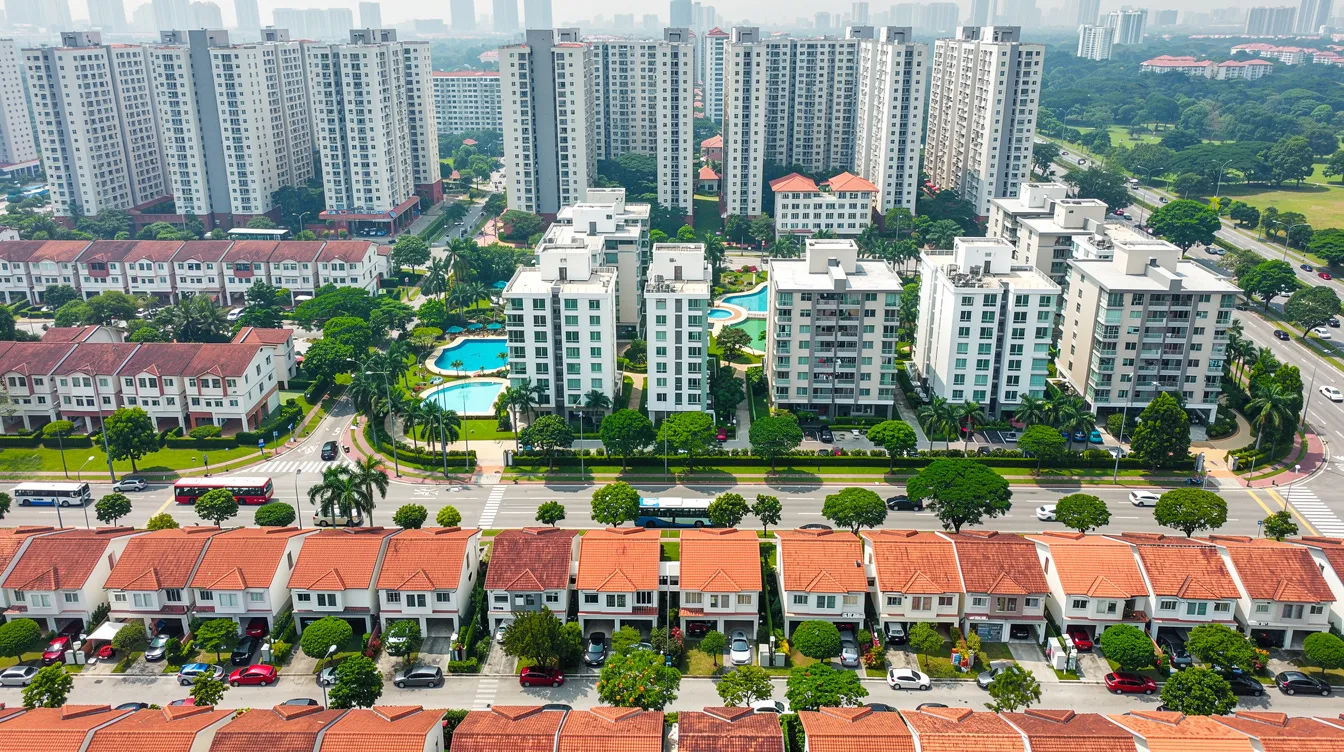
Throughout the article, snapshot diagrams at each stage illustrate the portfolio composition: property value versus outstanding loan versus CPF tied in versus net cash.
Understanding Asset Progression in Singapore
Asset progression in Singapore refers to the deliberate, staged movement through property types – typically from an HDB flat to a private condo to a landed home – over decades, using the equity built in each property to fund the next purchase. It is the most common wealth-building pathway for middle-income Singaporean households, enabled by the interplay of CPF contributions, leverage, and long-term capital appreciation. Private property prices grew 157% over the past decade, which explains why this pathway has attracted so much attention from HDB upgraders.
But headline price growth can be misleading. What matters is net equity after accounting for your outstanding loan balance, CPF refunds with accrued interest, stamp duties, legal fees, and renovation costs. Case studies with actual numbers are crucial because they expose the gap between a property’s resale value and the cash you actually walk away with. A flat that appreciated S$70,000 over six years might yield only S$10,000–S$20,000 in net cash proceeds once CPF refunds are deducted. Without understanding this, homeowners make costly mistakes – over-committing to a condo purchase they cannot sustain, or mis-timing a sale and triggering six-figure ABSD bills.
This case study approaches progression the way a disciplined advisory engagement would: long-term, numbers-first, with awareness that residential property is not the only asset class worth considering. Industrial and commercial properties, which are not subject to residential ABSD, can play a complementary role for business owners – a branch we will flag at key decision points even though the Lims’ journey focuses on residential.
Key Building Blocks: Equity, Loans, and CPF
Equity in a Singapore property is defined as:
Equity = Current Market Value − Outstanding Loan − CPF Refund (Principal + Accrued Interest)
This is the amount you can redeploy into your next purchase. The CPF refund component is often underestimated. HDB owners must repay CPF accrued interest upon sale, and that interest compounds at 2.5% per annum on every dollar of CPF Ordinary Account funds used for the property. A S$80,000 CPF withdrawal in 2010 could require a refund exceeding S$110,000 by 2016 once accrued interest is included.
The loan parameters used in this case study reflect real-world conditions across 2010–2025:
-
LTV (Loan-to-Value): 75% for a first property with no existing housing loans; lower if purchasing a second residential property
-
Tenure: 25 years for both HDB and private property loans
-
Interest rates: HDB concessionary loan at 2.6% per annum (pegged 0.1% above CPF OA rate); bank loan rates ranging from ~2.0% in 2017 to 3.5–4.0% by 2024
CPF contributions play a vital role in funding property purchases in Singapore – they form the bulk of most down payment structures and ongoing monthly repayment for HDB loans. But every dollar used accrues interest that must be returned upon sale, reducing your net proceeds.
Conceptual diagram: At each stage, imagine a stacked bar chart – the bottom segment is your outstanding loan, the middle segment is CPF tied in (principal + accrued interest), and the top segment is your net cash equity. As loan is paid down and property appreciates, the top segment grows – but the CPF segment also grows due to compounding interest.
Regulatory Anchors That Shape the Journey
Singapore’s property market has regulations governing stamp duties and loan-to-value limits that fundamentally shape the timing and sequencing of every upgrade. Here are the rules that matter most across the 2010–2025 window:
-
MOP (Minimum Occupation Period): HDB owners must clear a 5-year MOP before selling. The Minimum Occupation Period is a regulatory milestone that must be fulfilled before HDB resale. Until MOP is met, you cannot sell your flat or purchase private property.
-
TDSR (Total Debt Servicing Ratio): Introduced in 2013, understanding Total Debt Servicing Ratio is crucial for property financing in Singapore. TDSR is capped at 55% of gross income, meaning all debt obligations – monthly mortgage, car loan, credit facilities – cannot exceed this threshold. Banks also apply a stress-test interest rate higher than your negotiated rate.
-
LTV limits: LTV limits are 75% for first properties without existing loans. For borrowers with an existing property loan, LTV drops to 45%, which dramatically increases the cash and CPF required upfront.
-
ABSD (Additional Buyer’s Stamp Duty): Introduced in December 2011 and progressively increased. ABSD for a second property is 20% for citizens as of the latest revision. ABSD can exceed six figures for second properties – on a S$3.3 million landed home, 20% ABSD would be S$660,000 in additional cash. Selling HDB before buying a condo avoids ABSD entirely.
These rules dictate why the Lims adopt a strict “sell first, buy next” sequence at every stage. With these regulatory anchors in mind, the case study walks through three phases: 4-room HDB (2010–2016), freehold condo (2017–2023), and landed home (2024–2025).
Meet the Case Study Family: Profile and Starting Point
Every asset progression case study needs a concrete starting point. The Lims are a fictional but realistic Singaporean couple whose income, savings, and aspirations are calibrated to median professional trajectories. Their story is not extraordinary – it is what disciplined planning looks like when compounding works in your favour across 15 years and different life stages.
The Lims in 2010: Before the First Purchase
Profile at a glance:
-
Ages: Both 28 years old (same age, married in 2009)
-
Occupations: He works in engineering; she works in finance
-
Combined gross income: S$8,500/month in 2010
-
Cash savings: S$60,000
-
Combined CPF OA balance: S$80,000
-
Children: None yet
-
Other debts: None (no car loan or personal loans)
-
Citizenship: Both Singapore citizens
Their stated goals:
-
Buy a 4-room HDB in a non mature estate as their first property and starter home
-
Build equity over 5–8 years while incomes grow
-
Upgrade from HDB to a private condo in their mid-30s
-
Aspire to a modest landed property by their early 40s if finances allow
They choose an HDB flat for affordability and CPF grant eligibility, with a non mature estate offering a lower entry price for a first property while they build equity for the next upgrade. Investing in a 4-room HDB flat serves as an initial wealth-building vehicle for many Singaporeans, and the Lims view it exactly that way.

Phase 1 (Years 0–6): Buying and Growing Equity in a 4-Room HDB
This first phase is about disciplined buying and patient loan management. The Lims are not chasing capital gains – they are building the equity foundation that makes Phase 2 possible. Every dollar of CPF used, every month of loan repayment, and every year of holding contributes to (or erodes) the net equity they can unlock at the HDB sale.
2010 Purchase: 4-Room HDB in Tampines
The Lims purchase a 4-room resale HDB flat in Tampines in 2010 for S$380,000. In that year, the median resale price for a 4-room flat in Tampines was approximately S$380,000 across roughly 1,005 transactions – so this is a market-rate purchase, not a bargain.
Funding breakdown:
|
Component |
Amount |
|---|---|
|
Purchase price |
S$380,000 |
|
Cash down payment (5%) |
S$19,000 |
|
CPF OA down payment (5%) |
S$19,000 |
|
HDB concessionary loan (90%) |
S$342,000 |
They choose the HDB loan over a bank loan for its fixed 2.6% rate – no lock-in period, no floating rate risk. At this income level and with limited cash savings, the stability matters more than chasing marginally lower bank loan rates.
Monthly financials at purchase:
-
Monthly repayment on S$342,000 at 2.6% over 25 years: approximately S$1,550/month
-
This represents about 18% of their S$8,500 gross income – well within TDSR limits and leaving significant breathing room
2010 Snapshot: Property value S$380,000 | Outstanding loan S$342,000 | CPF used S$19,000 | Net equity ~S$19,000 (cash portion of down payment).
2010–2015: MOP, Children, and CPF Usage
Life moves quickly. Their first child arrives in 2012, second in 2014. These are joyful milestones but they add childcare costs, reducing the surplus available for additional savings. By 2015, combined income grows to approximately S$12,000/month – a 41% increase over five years reflecting promotions and career progression typical for finance and engineering professionals in Singapore.
On the property side, the HDB loan amortises steadily:
-
Outstanding loan by 2015: Reduced from S$342,000 to approximately S$300,000 (after five years of regular repayments, the bulk still servicing interest in early years)
-
CPF OA used (principal): S$80,000 total (initial S$19,000 down payment plus ongoing monthly repayments from CPF)
-
CPF accrued interest by 2015: Approximately S$10,000–S$12,000 (compounding at 2.5% per annum on withdrawals made from 2010 onwards)
-
Total CPF to refund if sold in 2015: Roughly S$90,000–S$92,000
They begin monitoring HDB prices in Tampines. The median 4-room resale price in Tampines climbs to approximately S$430,000–S$435,000 by 2015 – reflecting 10–15% total appreciation over five years. The sale of HDB flats upon MOP completion maximises selling price due to market conditions, and the Lims note that waiting slightly beyond MOP could capture a bit more upside.
2015 Financial Snapshot:
-
Estimated flat value: ~S$435,000
-
Outstanding loan: ~S$300,000
-
CPF to refund (P + interest): ~S$92,000
-
Approximate net equity: ~S$43,000 (mostly locked in CPF)
-
Cash savings rebuilt to: ~S$75,000
2016: Equity Check and Decision to Upgrade
By 2016, MOP is cleared. The flat’s estimated market value has risen to approximately S$450,000. Time to run the numbers that matter – not just “how much has it appreciated?” but “how much can we actually use for the next purchase?”
Indicative equity table at 2016:
|
Component |
Amount |
|---|---|
|
Estimated market value |
S$450,000 |
|
Less outstanding loan |
(S$290,000) |
|
Less CPF refund (principal + accrued interest) |
(S$150,000) |
|
Less estimated selling costs (agent 2%, legal fees) |
(~S$12,000) |
|
Net cash proceeds |
~S$-2,000 to S$10,000 |
The reality check is sobering but important: after six years of ownership and ~S$70,000 in appreciation, the Lims walk away with almost no cash. Their equity is overwhelmingly locked inside CPF. This is a pattern most HDB upgraders encounter – CPF accrued interest compounds at 2.5% per annum, and over six years it quietly erodes the cash you thought you had.
But here’s what the table doesn’t show: the CPF refunded (S$150,000) flows back into their OA accounts, where it becomes available for the next property’s down payment. Combined with rebuilt cash savings of ~S$80,000 and rising incomes, the Lims have enough to enter the private property market – if they plan the sequencing correctly.
Their thought process at this stage:
-
The 4-room HDB is feeling cramped with two young children
-
HDB prices in mature estates have moderated; further appreciation may be limited
-
Both incomes are growing, and they are in their mid-30s – the window for a freehold condo purchase is now
-
They explore scenarios including purchasing an executive condominium, a resale condo, or a brand new condo, ultimately preferring a freehold condo for its potential to preserve capital and resist lease decay
They run multiple scenarios, weighing options including pairing a smaller residential upgrade with an industrial property for passive income. But they decide to prioritise a freehold home for own stay first, planning to revisit industrial options once the residential base is established.
Phase 2 (Years 6–11): Upgrading from 4-Room HDB to Freehold Condo
Once MOP is cleared and incomes cross the S$14,000/month threshold, the path from HDB to private condo becomes viable. This phase – roughly 2016 to 2021 – is where the Lims make the largest percentage leap in property value and take on significantly more risk. The condo purchase introduces higher monthly commitment, maintenance fees, property tax, and exposure to floating interest rates.
Sell-First vs Buy-First: Avoiding ABSD in 2016
This is the single most consequential sequencing decision in the entire journey. Selling HDB before buying a condo avoids ABSD – in 2016, ABSD for citizens buying a second residential property was 7%, which on a S$1.35 million condo would mean S$94,500 in additional cash on top of all other costs. By 2018, that rate rose to 12%. By 2023, it hit 20%.
Decision matrix:
|
Factor |
Sell HDB First |
Buy Condo First |
|---|---|---|
|
ABSD |
None (0%) |
7% in 2016 = ~S$94,500 |
|
Equity clarity |
Know exact sale proceeds |
Uncertain until HDB sells |
|
Housing gap risk |
Need interim rental or extension |
Seamless transition |
|
Bridging loan |
Not needed |
May be needed; adds cost |
|
Financial stress |
Lower |
Higher (two mortgages temporarily) |
The Lims choose sell-first. With limited additional cash and no appetite for carrying two mortgages, they cannot absorb ABSD and bridging costs. They negotiate a longer completion period on the HDB sale and secure a 3-month extension of stay, paying the buyer a small holding fee. This gives them time to identify and complete the condo purchase without needing interim rental.
ABSD remission applies if selling an existing property within six months of purchasing a new one – but this “buy first, claim ABSD remission later” path requires paying ABSD upfront (often six figures) and trusting the sale completes within the window. The Lims judge this too risky.
Timeline: HDB sale completion (March 2017) → 3-month extension of stay → Condo key collection (June 2017). Total gap: managed to near-zero through careful coordination.
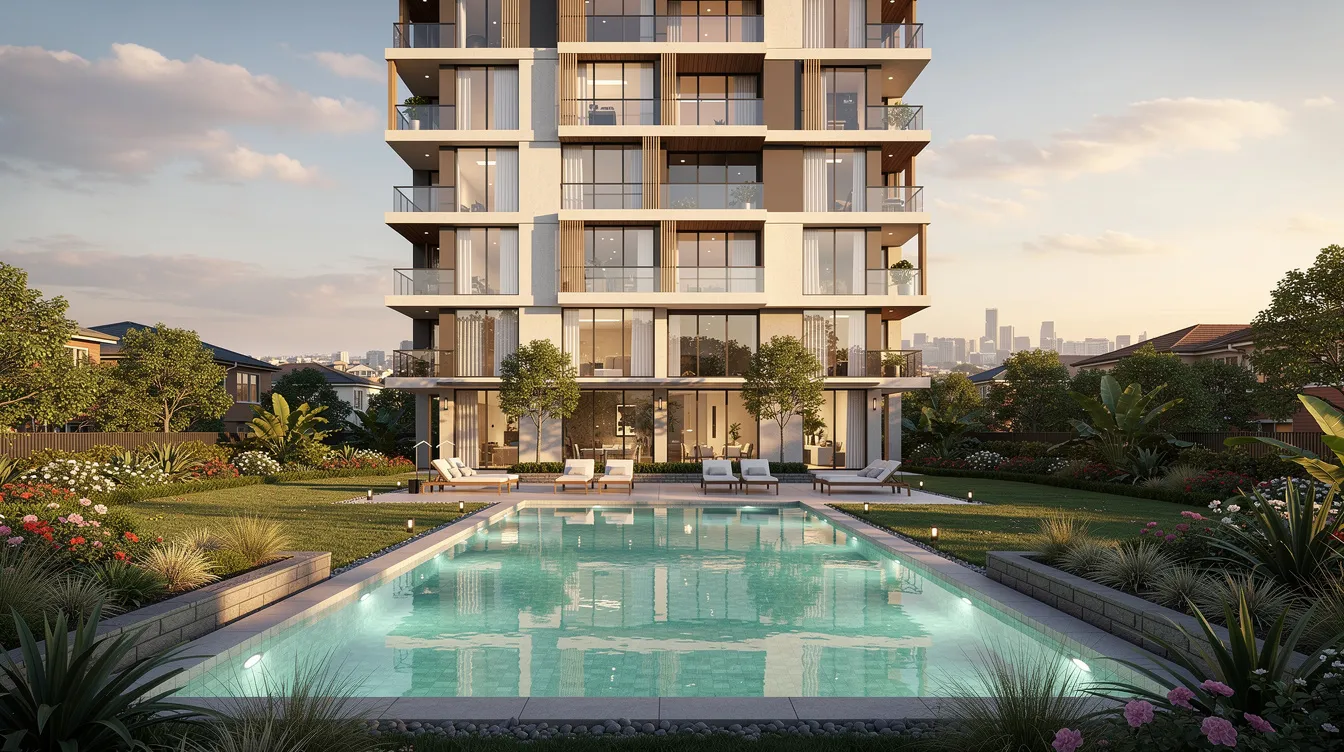
2017 Purchase: Freehold 3-Bedroom Condo in City-Fringe
The Lims purchase a freehold 3-bedroom condo in District 13 in 2017 for S$1.35 million. They choose freehold deliberately – freehold properties are preferred for their potential to preserve capital and resist lease decay. Unlike 99-year leasehold or OCR mass market condos, a well-located freehold condo holds resale value better as it ages, which matters for a household planning another upgrade in 5–7 years.
Funding breakdown:
|
Component |
Amount |
|---|---|
|
Purchase price |
S$1,350,000 |
|
Down payment (25%) |
S$337,500 |
|
– Cash component (5%) |
S$67,500 |
|
– CPF OA component (20%) |
S$270,000 |
|
Bank loan (75%) |
S$1,012,500 |
|
Estimated stamp duties (BSD) |
~S$24,600 |
|
Renovation costs |
~S$50,000 |
|
Legal fees |
~S$3,000 |
LTV limits are 75% for first properties without existing loans – since the HDB is already sold, the Lims qualify for the full 75% LTV as this is treated as their only residential property.
Where does the money come from?
-
CPF OA balances (refunded from HDB sale): ~S$150,000 returned to OA + existing OA accumulation ≈ S$270,000+ available
-
Cash savings: ~S$80,000 (covers 5% cash component + BSD + legal fees + partial renovation)
-
Additional funds from bonuses and savings accumulated in 2016–2017
Monthly financials at 2017:
-
Combined gross income: ~S$14,500/month
-
Monthly mortgage on S$1,012,500 at ~2.5% over 25 years: approximately S$4,300/month
-
Condo maintenance fees: ~S$400/month
-
Property tax (owner-occupied): ~S$1,200/year
-
Total monthly commitment (mortgage + maintenance): ~S$4,700/month
-
TDSR usage: approximately 32% of gross income – well within the 55% cap, leaving buffer for rate increases
Combined income of S$9,000–S$18,000 is typical for condo upgraders, and the Lims sit squarely in this range.
2017 Snapshot: Property value S$1,350,000 | Outstanding loan S$1,012,500 | CPF used for condo ~S$270,000 | Net equity ~S$67,500 (cash down payment).
2017–2021: Holding the Freehold Condo and Watching Equity Grow
This is the “quiet compounding” period. The Lims focus on paying down the loan, advancing their careers, and letting the private property market do its work. They resist the temptation to over-renovate or trade up prematurely. Capital appreciation is a key factor in successful residential property investment, and patience is its prerequisite.
Over four years, several things happen simultaneously:
-
Property appreciation: The freehold condo’s estimated market value rises to approximately S$1.65 million by 2021 – about S$300,000 or 22% above purchase price. This tracks broadly with URA private property index growth during 2017–2021, driven by strong demand for freehold units in well-connected districts.
-
Loan reduction: Regular repayments bring the outstanding loan balance down from S$1,012,500 to approximately S$900,000 by 2021.
-
CPF accumulation: Total CPF used for the condo (down payment + monthly repayments from OA) grows to approximately S$350,000–S$380,000 including accrued interest.
-
Income growth: Combined income rises to approximately S$20,000/month by 2021 as both partners reach senior roles.
The children are now in primary school, and the family increasingly feels the pull of more space – a garden, a second floor, room for elderly parents to visit. They begin researching landed property prices in estates within walking distance of good schools.
2021 Equity Snapshot:
-
Market value: S$1.65M
-
Outstanding loan: ~S$900K
-
CPF to refund if sold: ~S$380K
-
Estimated net cash if sold (before costs): ~S$370K
-
Cash savings accumulated: ~S$200K
Phase 3 (Years 11–15): From Freehold Condo to Landed Home
This is the most challenging leap. The quantum jumps from S$1.35 million to over S$3 million. Monthly mortgage payments can exceed S$12,000. Property tax on landed homes is significantly higher than condos. And only Singapore Citizens can purchase landed properties in Singapore – a regulatory gate that doesn’t apply to condo purchases.
The Lims target a 2-storey freehold inter-terrace in Serangoon Gardens – an established landed enclave with good schools, mature amenities, and strong resale value. Landed property ownership often signifies a significant milestone in wealth accumulation in Singapore, but it also introduces a new level of financial commitment that demands careful stress-testing.
2022 Market Reality Check: Can They Really Afford Landed?
Before committing, the Lims run a rigorous affordability check using 2022 market data. In the past few years, landed property prices have escalated sharply. Terrace homes in Serangoon Garden Estate have a median price of approximately S$4.53 million as of recent data, though entry-level inter-terraces on smaller plots (1,500–1,800 sqft land) were transacting at S$3.2–S$3.6 million in 2022. In fact, 942 landed homes sold in 2024 within the S$2.5M to S$5.0M bracket, confirming this is a well-established market segment.
Borrowing capacity calculation (2022):
-
Combined gross income: S$22,000/month
-
TDSR cap at 55%: maximum monthly debt servicing = S$12,100
-
Less existing obligations (none – no car loan, condo to be sold): S$0
-
Maximum monthly mortgage available: ~S$12,100
-
At 3.5% interest over 25 years, this supports a loan of approximately S$2.15 million
-
At 4.0% stress-test rate: loan capacity drops to approximately S$1.90 million
With projected net proceeds from condo sale (cash + CPF) of ~S$500,000–S$575,000 plus accumulated cash savings of ~S$200,000, total budget including loan ranges from approximately S$2.7M to S$2.9M. This is tight for the S$3.3M target – they need income to grow further, or they need to accept a smaller plot or a less central location.
Two paths considered:
|
Factor |
Option A: Stay in Condo + Buy Industrial |
Option B: Sell Condo + Buy Landed |
|---|---|---|
|
Residential comfort |
Adequate but not ideal for growing family |
Significantly more space, garden, multi-generational |
|
Monthly commitment |
Lower (existing mortgage only) |
Much higher (~S$12,000+/month) |
|
Rental income potential |
Industrial unit generates passive income |
None from own-stay landed |
|
ABSD exposure |
None (industrial exempt from residential ABSD) |
None if condo sold first |
|
Long-term capital growth |
Moderate (split across two assets) |
Higher on single large freehold asset |
Given children’s schooling needs, desire for space for elderly parents, and their view that a well-located freehold landed home offers the strongest long-term capital appreciation, they choose Option B. Landed properties typically require S$1.2M to S$2.5M cash for purchase when accounting for down payment, stamp duties, renovation costs, and reserves – and the Lims plan accordingly.
2023 Sale of Freehold Condo: Unlocking Equity
The Lims list and sell their freehold condo in mid-2023 at S$1.78 million, reflecting continued but moderating appreciation in the current market for freehold city-fringe units.
Sale proceeds breakdown:
|
Component |
Amount |
|---|---|
|
Sale price |
S$1,780,000 |
|
Less outstanding loan |
(S$860,000) |
|
Less CPF refund (principal + accrued interest) |
(S$420,000) |
|
Less selling costs (agent ~1.5%, legal fees, misc) |
(~S$25,000) |
|
Net cash proceeds |
~S$475,000 |
The CPF refund figure – S$420,000 – illustrates the silent growth of accrued interest. The Lims originally used ~S$350,000 in CPF principal for the condo. Over six years of compounding at 2.5% per annum, the accrued interest adds roughly S$70,000. This is money that returns to their CPF OA (and can be redeployed for the next purchase), but it is not cash they can spend freely.
By now, their total deployable resources for the landed purchase are:
-
Net cash from condo sale: ~S$475,000
-
CPF OA balances (refunded): ~S$420,000
-
Additional cash savings: ~S$200,000
-
Total available for down payment + costs: ~S$1,095,000
Before & After Sale: The S$1.78M condo converts into ~S$475K cash + S$420K back in CPF + S$25K in costs. The equity that took 6 years to build now becomes the launch pad for the landed purchase.
2024 Purchase: Freehold Inter-Terrace Landed Home
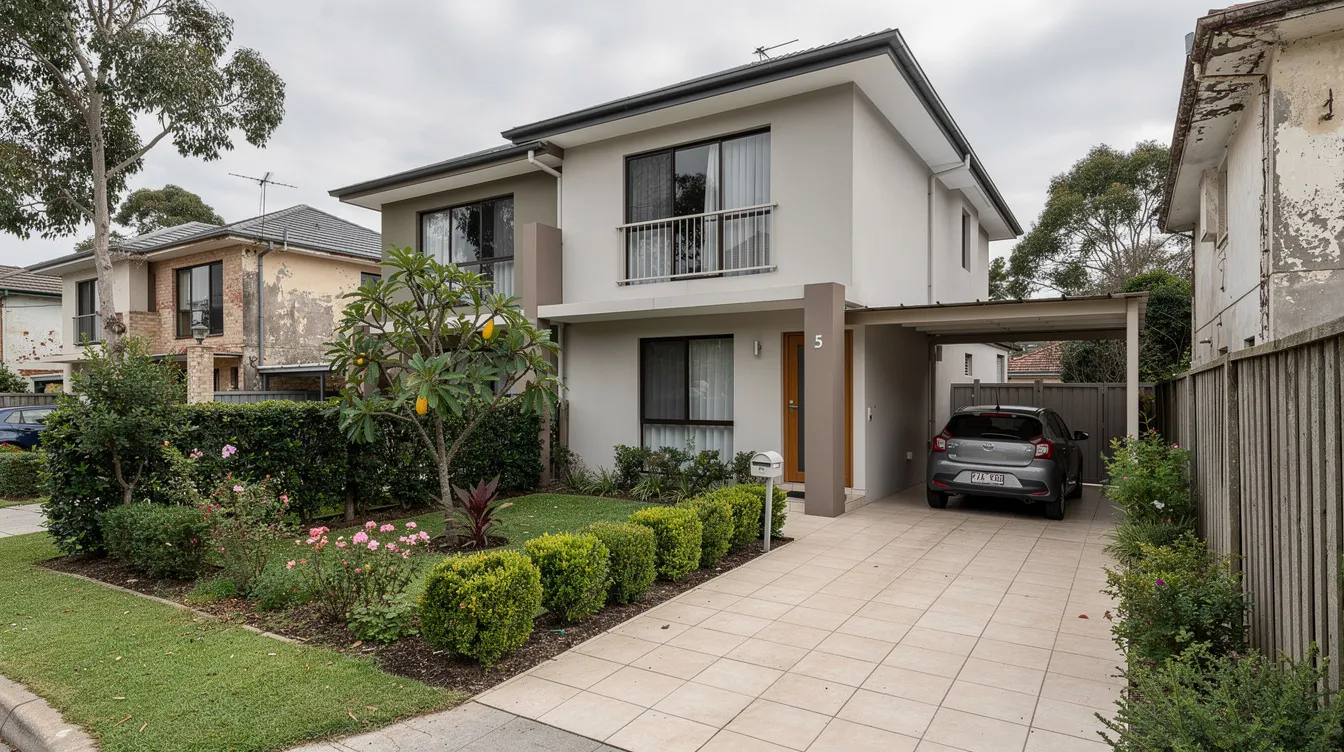
In early 2024, the Lims purchase a freehold inter-terrace in Serangoon Gardens for S$3.3 million – a plot of approximately 1,700 sqft land area at roughly S$1,940 per square foot of land, consistent with 2024 transacted prices for similar homes in the estate.
Financing breakdown:
|
Component |
Amount |
|---|---|
|
Purchase price |
S$3,300,000 |
|
Down payment (25%) |
S$825,000 |
|
– Cash component (5%) |
S$165,000 |
|
– CPF OA component (20%) |
S$660,000 |
|
Bank loan (75%) |
S$2,475,000 |
|
BSD (Buyer’s Stamp Duty) |
~S$109,600 |
|
Estimated renovation costs |
~S$150,000 |
|
Legal fees + miscellaneous |
~S$8,000 |
The CPF OA component of S$660,000 is funded from the refunded balances (S$420,000) plus OA contributions accumulated since mid-2023 and existing OA savings. The cash requirements (S$165,000 down payment + S$109,600 BSD + S$150,000 renovation + S$8,000 legal) total approximately S$432,600 – nearly all of the Lims’ available cash. This is why landed properties in Singapore typically require significant capital for entry and maintenance costs.
Monthly financials at 2024:
-
Combined gross income (2024): ~S$24,000/month
-
Monthly mortgage on S$2,475,000 at 3.75% over 25 years: approximately S$12,700/month
-
Property tax (owner-occupied, landed): ~S$5,000–S$6,000/year
-
Maintenance, utilities, insurance: ~S$800/month
-
Total monthly commitment: ~S$13,900/month
-
TDSR usage: approximately 53% of gross income – close to the 55% cap
This is deliberately tight, and the Lims know it. Their safeguards:
-
Emergency buffer: They maintain 12 months of mortgage payments (~S$152,000) in a combination of cash and accessible CPF, protecting against income disruption
-
No second property: They avoid buying any existing property alongside the landed home, keeping property count at one and sidestepping the 20% ABSD entirely
-
No car loan: They delay purchasing a car to avoid adding to TDSR obligations
-
Exit strategy identified: If interest rates spike above 4.5% or income drops, they have pre-agreed to list the landed home and right-size to a freehold condo, converting property equity into liquidity
Strategically timing property upgrades helps maintain financial security and optimise equity, and the Lims plan their purchase during a period of moderate market activity rather than chasing peak-cycle prices.
2025–2026: Consolidation After the Landed Leap
The first 18 months after the landed purchase are about adjustment, not ambition. The Lims experience the reality of landed living: higher property tax bills, direct responsibility for exterior maintenance, and utility costs roughly double their condo-era bills. But they also gain a garden, a home office, guest rooms for elderly parents, and a neighbourhood within walking distance of the children’s school.
2025 Equity Snapshot:
|
Component |
Amount |
|---|---|
|
Estimated property value |
S$3,500,000 (modest ~6% appreciation) |
|
Outstanding loan |
~S$2,380,000 |
|
CPF tied in (principal + accrued interest) |
~S$680,000 (growing) |
|
Estimated net equity (before costs) |
~S$440,000 |
Their medium-term plan is clear:
-
Hold the landed home for 8–10 years while both incomes peak in their late 40s to early 50s
-
Accelerate loan repayment once children’s education expenses moderate, targeting a fully paid or near-fully-paid mortgage by their mid-50s
-
Right-size in their 50s–60s: Homeowners often right-size in their 50s to 60s. Selling a large home can free up S$1M to S$1.5M in cash. The Lims plan to eventually move into a smaller freehold condo and channel freed equity into retirement, travel, and potentially an industrial property for rental income. Right-sizing reduces maintenance costs and property taxes, and the Silver Housing Bonus aids seniors downsizing to smaller properties.
15-year summary: Over 15 years, the Lims progressed from a S$380,000 4-room HDB flat to a S$3.3 million freehold landed home. This was driven by three levers: leverage (maintaining disciplined LTV and TDSR at each stage), income growth (from S$8,500 to S$24,000/month), and regulation-aware timing (selling before buying to avoid ABSD at every step).
Step-by-Step Framework Behind the Case Study
The Lims’ journey is specific to their income, timing, and choices – but the underlying process is generalisable. Investors should focus on location, demand, and market conditions when selecting properties, but the framework below focuses on the financial planning architecture that makes any progression viable.
Planning and Execution Process
-
Audit current position: Document your property’s current market value, outstanding loan balance, total CPF OA usage including accrued interest, cash savings, and income trajectory. Most people overestimate their net equity by ignoring CPF refund obligations.
-
Define 10–15 year goals: Decide on target property type – freehold condo, landed property, or a dual-asset portfolio (home + industrial). Align with children’s education milestones, business plans, and anticipated life stages.
-
Model at least two scenarios at each stage: For example, HDB → mass market condo vs HDB → freehold condo; or condo → larger condo vs condo → landed. Run each with conservative appreciation assumptions (2–3% p.a.) and current interest rates.
-
Check regulatory constraints: Verify current ABSD rates, MOP requirements, TDSR thresholds, and LTV limits from MAS. These change frequently – the Lims benefited from purchasing before several ABSD increases.
-
Stress-test cash flow: Model monthly repayment at 4.0–4.5% interest rates, not just the negotiated rate. Include property tax, maintenance, renovation costs, and lifestyle inflation. If the numbers only work at today’s rate, you are over-leveraged.
-
Sequence transactions to minimise ABSD and bridging risks: Use extensions of stay, options to purchase, and in-principle loan approvals to manage timing. Never assume the existing property will sell quickly – plan a 12–18 month window.
Comparing the Three Stages: HDB vs Freehold Condo vs Landed
|
Metric |
4-Room HDB (2010) |
Freehold Condo (2017) |
Landed Inter-Terrace (2024) |
|---|---|---|---|
|
Purchase price |
S$380,000 |
S$1,350,000 |
S$3,300,000 |
|
Loan size |
S$342,000 |
S$1,012,500 |
S$2,475,000 |
|
Monthly mortgage |
~S$1,550 |
~S$4,300 |
~S$12,700 |
|
Monthly maintenance/fees |
~S$80 (town council) |
~S$400 |
~S$800 (self-maintained) |
|
Annual property tax |
~S$200 |
~S$1,200 |
~S$5,500 |
|
Typical appreciation profile |
2–3% p.a. (capped by 99-yr lease) |
3–5% p.a. (freehold premium) |
4–7% p.a. (land scarcity) |
|
Key risk |
Lease decay, policy changes |
Interest rate sensitivity |
High cash exposure, illiquidity |
|
Liquidity |
High (large buyer pool, typical resale flat prices range from S$700,000 to S$900,000) |
Moderate |
Lower (smaller buyer pool, longer marketing) |
Risk and reward grow at each step. Many households realistically stop at private condo rather than landed – and that is a perfectly rational decision. Instead of maximising property size, some clients may prefer a condo plus an industrial unit for income stability, diversifying their property portfolio beyond residential.
Common Pitfalls in 15-Year Asset Progression (and How This Case Avoided Them)
Every successful progression story is shadowed by cautionary tales of costly mistakes. The Lims avoided four common traps – here is how, and what you can learn.
Over-Leveraging at the Condo or Landed Stage
Pushing TDSR to the full 55% without cash reserves is the single fastest way to turn a property upgrade into a financial crisis. When interest rates rise – as they did from ~2.5% to above 4% during 2022–2024 – a household at 55% TDSR has zero buffer. A single job loss, medical emergency, or school fee increase can trigger forced sale.
The Lims kept TDSR usage at 32% during the condo stage and accepted 53% at the landed stage only because they maintained a 12-month emergency fund and had dual incomes with low correlation (different industries). Even so, they acknowledged the risk.
Action point: Aim for 40–45% TDSR usage when possible. Keep at least 6–12 months of mortgage payments in liquid reserves before signing.
Ignoring CPF Accrued Interest and Real Net Proceeds
Many HDB owners are surprised at completion when their “S$70,000 profit” turns into S$10,000 in cash. CPF accrued interest compounds at 2.5% per annum, and over 10–15 years it can add 30–40% to the principal amount withdrawn. A S$200,000 CPF withdrawal in 2010 could grow to over S$250,000 by 2020 – and every dollar goes back to CPF, not to your bank account.
The Lims tracked CPF usage quarterly using their CPF statements, so they were never blindsided at any sale.
Action point: Run CPF refund projections at 5-, 10-, and 15-year intervals before each planned sale. Use the CPF Board’s online calculator to see exact accrued interest figures.
Mis-timing Sales and Purchases, Triggering ABSD or Fire Sales
Buying a second property before selling the first without an ABSD plan is one of the most expensive mistakes in Singapore property decisions. ABSD for a second property is 20% for citizens – on a S$3.3M landed home, that is S$660,000. Even with ABSD remission (available if the existing property is sold within six months), the homeowner must pay ABSD upfront in cash and hope the sale completes within the remission window. If the sale falls through, the absd paid is forfeited.
The Lims sequenced every move: sell HDB before condo, sell condo before landed. This cost them the inconvenience of temporary arrangements but saved hundreds of thousands in stamp duties.
Action point: Plan a 12–18 month window around each move. Negotiate extension of stay clauses. Have a fallback plan for interim rental. Never assume your existing property will sell at asking price within weeks.
Ignoring Alternative Branches like Industrial Property
Not every household should chase the “biggest possible home.” For business owners, pairing a comfortable freehold condo with a B1/B2 industrial unit can produce steady rental income, operational savings, and portfolio diversification – without triggering residential ABSD, since industrial properties are exempt.
While the Lims chose the pure residential progression path, they kept the industrial option in reserve. Their medium-term plan includes potentially acquiring a small industrial unit for passive income once the landed mortgage is manageable.
Action point: At each progression step, compare “bigger home” versus “home + income asset” paths. A S$1.5M industrial unit generating 4–5% net yield might compound more reliably than the marginal lifestyle improvement of an extra bedroom.
Conclusion and Next Steps
A 15-year upgrade from a 4-room HDB to a freehold condo to a landed home is possible – but it demands far more than rising property prices. The Lims’ case study demonstrates that successful asset progression rests on three pillars:
-
Income growth and responsible use of leverage: Without their combined income growing from S$8,500 to S$24,000/month, no amount of property appreciation would have funded the landed purchase
-
Equity building through sensible entry prices and holding periods: Buying at fair market value, holding for 5–7 years, and letting compounding work – rather than speculating on short-term flips
-
Regulation-aware sequencing: Selling before buying at every stage to avoid ABSD, monitoring TDSR headroom, and timing purchases before regulatory tightening (e.g. before the 2018 and 2023 ABSD increases)
Your next steps:
-
Calculate your current property’s market value, outstanding loan, and total CPF usage including accrued interest – this gives you your real net equity, not the number you hope for
-
Model at least one realistic “next step” (e.g., HDB → freehold condo) using today’s TDSR cap, LTV limits, and prevailing interest rates of 3.5–4.0%
-
Decide on your long-term end goal – larger condo, landed, or a dual-property portfolio including industrial – before committing to the next purchase
-
Stress-test your model at 4.5% interest rates and a 20% income reduction scenario to see if the plan survives adversity
-
Engage a professional to review your numbers using up-to-date 2025–2026 market data, ABSD rates, and loan eligibility criteria
Building wealth through property is a marathon, not a sprint. The Lims’ 15-year journey is faster than the 25–30 year norm – and it required above-average discipline at every step. For readers interested in industrial or commercial diversification alongside residential progression, these trade-offs deserve dedicated analysis tailored to your specific borrowing capacity, business structure, and retirement timeline.
Frequently Asked Questions on Asset Progression Case Studies
These FAQs address the most common questions from HDB owners and condo owners considering multi-step property progression.
Is a 15-year journey from 4-room HDB to landed property still realistic in 2026?
-
It remains possible but typically requires starting in your late 20s or early 30s, with steady income growth into the S$20,000+/month range by the landed stage
-
Disciplined cash savings and measured leverage at each stage are non-negotiable – you cannot afford to max out TDSR early and have no buffer for rate increases
-
Many households will more realistically stop at a freehold condo or a larger resale condo and then right-size later, converting equity into retirement liquidity
-
Property prices have risen significantly in the past decade, so each step requires more capital than it did 10 years ago
How much income do I need to move from a 4-room HDB to a S$1.5M freehold condo?
-
At 75% LTV and 25-year tenure, a S$1.5M condo means a loan of ~S$1,125,000
-
Monthly repayment stress-tested at 3.5–4.0%: approximately S$5,300–S$5,700/month
-
Under the 55% TDSR cap, minimum household gross income should be around S$10,000–S$11,000/month, higher if you carry other debts (car loan, credit card revolving balances)
-
Exact loan eligibility depends on age, tenure limits, and current MAS prescribed stress-test rates – always get a personalised calculation
Do I have to sell my HDB or condo at every stage to avoid ABSD?
-
The typical “one property at a time” path – as used in this case study – avoids ABSD entirely at each purchase, since you never own a second property at the point of buying
-
Retaining a property while buying another is feasible if you have high income and strong cash reserves, but you will pay ABSD upfront (20% for citizens’ second residential property) and may need to claim ABSD remission by selling within six months
-
Always verify the latest IRAS ABSD rates for Singapore citizens, PRs (5% on first property), and foreigners before committing – rates have changed multiple times since 2011
What role can industrial or commercial property play in a 15-year progression plan?
-
Industrial and commercial assets are not subject to residential ABSD, making them an efficient way to diversify without increasing your property count for ABSD purposes
-
A B1/B2 industrial unit can generate 4–5% net rental yield, providing passive income to help service residential mortgage payments
-
Some clients cap their residential ambition at a comfortable freehold condo and channel surplus equity into an industrial unit, achieving both lifestyle stability and income diversification
-
This approach is particularly relevant for SME owners who can combine operational use with rental income from the same industrial property
How can I start planning my own asset progression roadmap?
-
Gather your data: Latest loan statements, CPF usage history (including accrued interest), and a recent valuation or comparable transaction data for your estate
-
Use conservative assumptions: Model appreciation at 2–3% per annum and interest rates at 4.0–4.5% – if the plan only works with aggressive assumptions, it is not robust
-
Map your life stages: Children’s education, career peaks, retirement age – property decisions should align with these milestones, not fight against them
-
Get professional input: Convert rough ideas into a numbers-backed 10–15 year roadmap with stress-tested scenarios
-
Clear, personalised numbers matter far more than generic success stories – every household’s income, CPF, and risk tolerance is different

