

Introduction
Every Bukit Timah Road new launch announced in 2026–2027 lands with an eye-watering price tag – and a fierce debate about whether the Bukit Timah corridor premium is still defensible. With government land sales (GLS) parcels near Newton awarded at S$1,820 psf per plot ratio and Dunearn Road sites fetching S$1,625 psf ppr, estimated launch prices of S$3,000–S$3,400 psf are no longer outliers. They are the new baseline.
So is paying that kind of money still justified versus buying a resale unit in the same corridor at ~S$2,000 psf, or pivoting to Holland Village, Newton, or a well-connected OCR node entirely? The short answer: for families anchoring around the school belt with a 10–20-year holding horizon, yes – Bukit Timah’s combination of elite schools, Downtown Line access, and structural land scarcity remains difficult to replicate anywhere else in Singapore. For yield-focused investors or short-term traders, the calculus is far less certain.
This article focuses on the 2025–2027 Bukit Timah Road condo pipeline across Districts 10, 11, and 21 – projects like the Bukit Timah Road GLS near Newton, Dunearn House, the second Dunearn Road parcel at Turf City, and the Beauty World integrated development. Landed property and good class bungalows fall outside our scope. The target audience is HDB upgraders weighing the jump into CCR, investors comparing Bukit Timah to alternative corridors, and business owners thinking about combining residential living with nearby workspace access.
By the end of this piece, you will walk away with:
-
A clear understanding of how Bukit Timah’s school catchment directly impacts pricing and long-term exit value
-
How MRT access – five existing Downtown Line stations plus the future Turf City MRT on the Cross Island Line – changes the risk–reward profile for new launches
-
Concrete PSF benchmarks comparing new launches, existing Bukit Timah condos, and nearby districts using 2024–2026 transaction data
-
A simple decision framework for deciding whether you should still pay the Bukit Timah premium – or redirect capital elsewhere
Understanding the Bukit Timah Corridor Premium
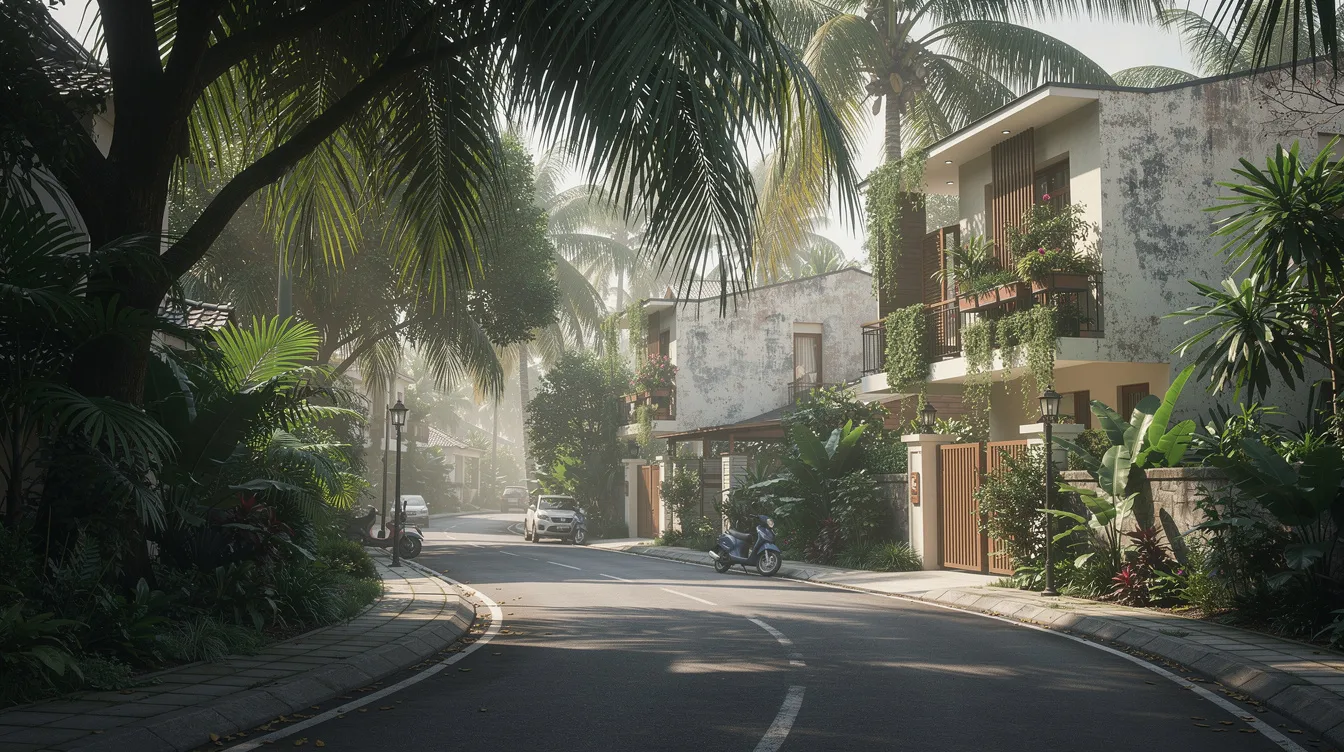
The “Bukit Timah corridor” stretches roughly from Newton in the south-east to Upper Bukit Timah in the north-west, tracing the historic Bukit Timah Road through some of Singapore’s most established residential neighbourhoods. It encompasses nodes like Stevens, the Singapore Botanic Gardens fringe, Tan Kah Kee, Sixth Avenue, King Albert Park, Beauty World, and the Turf City precinct – straddling Districts 9, 10, 11, and 21.
Historically, this corridor has traded at a 15–30% premium over wider RCR and OCR averages. The reasons are well-documented: the area features Singapore’s highest concentration of elite schools, a generous green buffer anchored by the Bukit Timah Nature Reserve (an ASEAN Heritage Park) and the rail corridor linear park, low-density living with generous green spaces, and the prestige associated with nearby good class bungalows and freehold estates along Cluny Hill and Leedon Park.
Current data confirms the premium persists. Median condo resales in Bukit Timah over the past twelve months traded at approximately S$2,020 psf, compared to an island-wide median of around S$1,736 psf – a gap of roughly 16–18%. In District 21 specifically, resale medians sit near S$1,906 psf, while new launches in the same district already command around S$2,436 psf median. Properties in Bukit Timah appreciate more steadily over long periods compared to volatile areas, which partly explains why buyers continue to pay the spread.
From Newton to Beauty World: What “Bukit Timah Road” Really Covers
Think of the Bukit Timah Road corridor as a spine running from the edge of Orchard Road all the way toward Singapore’s western flank and the primary rainforest of the nature reserves. Along this spine, you pass through distinctly different micro-markets:
-
Newton / Stevens / Scotts – Core Central Region (CCR), the most urban end, with Newton MRT (NSL + DTL interchange) and Stevens MRT (DTL + TEL). New launches here target professionals and expatriate families who want CBD proximity. The Bukit Timah Road GLS near Newton – 340 units, 99-year leasehold, awarded to HH Investment at S$1,820 psf ppr – sits in this zone.
-
Botanic Gardens / Tan Kah Kee / Sixth Avenue / King Albert Park – Still CCR, but increasingly leafy and residential. This stretch connects to the Singapore Botanic Gardens, the green corridor, and cycling paths along the rail corridor. Dunearn Road and the Turf City transformation projects fall here. The Wing Tai and Metro JV paid $533 million for the first Dunearn Road site, underscoring developer confidence in the precinct.
-
Beauty World / Upper Bukit Timah – Transitions toward RCR/OCR. Beauty World MRT connects Bukit Timah to the CBD in under 20 minutes, and the planned integrated development here offers a softer price entry into the corridor at S$2,000–S$2,600 psf.
The zoning split matters enormously for psf expectations. A CCR-classified unit near Newton carries different ABSD treatment for non-citizen buyers and foreign buyers than an OCR-adjacent unit near Beauty World – and the price differential reflects that.
Freehold Reputation vs 99-Year Reality
Bukit Timah’s brand was built on freehold land. The large estates along Dunearn Road, the bungalow plots off Sixth Avenue, and heritage condominiums near the Botanic Gardens are overwhelmingly freehold or 999-year. Freehold properties typically hold value better than leasehold properties, and that perception is deeply embedded in buyer psychology.
Yet nearly every major new launch in the corridor since 2018 has been 99-year leasehold. Bukit Timah’s last condo launch was Fourth Avenue Residences in 2018 – also 99-year leasehold tenure. The Bukit Timah Road GLS near Newton, both Turf City parcels (Dunearn House and the second Dunearn Road parcel), and the Beauty World integrated development are all leasehold projects. New launches in Bukit Timah command significant price premiums even on 99-year tenure, because buyers are pricing in school proximity, MRT access, and the corridor’s prestige rather than perpetual land ownership.
The trade-off is real but manageable. A 99-year lease purchased in 2027 still offers roughly 50+ years of “prime lease” before decay becomes a meaningful drag on valuation. For families planning a 10–20-year hold through children’s schooling, that runway is more than sufficient. But it does mean the modern Bukit Timah premium is increasingly anchored to three verifiable hard factors – school catchment, MRT connectivity, and PSF relative to alternatives – rather than the abstract comfort of freehold tenure.
Prime School Catchment: How Much Are You Really Paying For It?
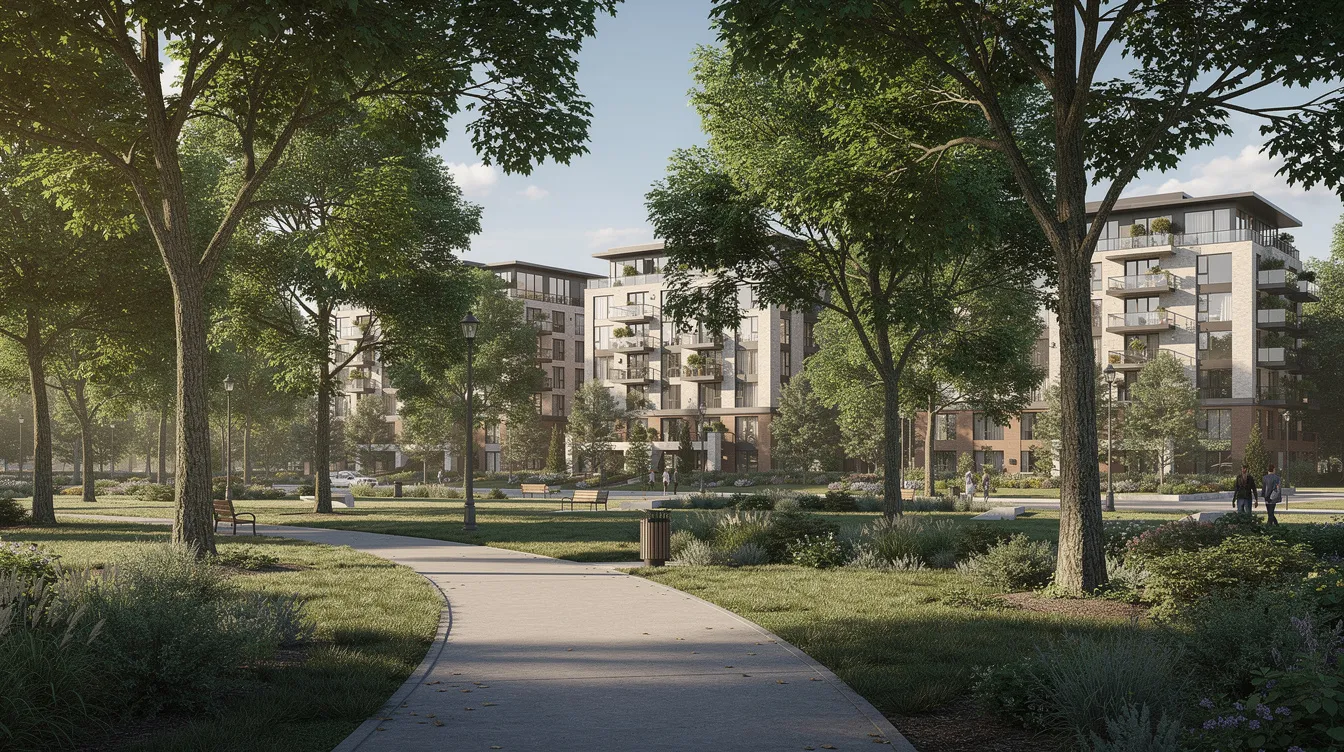
If the corridor’s green spaces give Bukit Timah its atmosphere, the school belt gives it its floor price. The area hosts Singapore’s highest concentration of top schools, and buying near established schools guarantees a relatively durable pool of family buyers whenever you decide to exit. Top-ranked schools cluster within 1–2 kilometres of Bukit Timah Road, making school proximity the single most defensible driver of long-term pricing resilience.
Under MOE’s Primary One registration framework, living within 1 km of a school grants priority in Phases 2B and 2C. Families routinely lock in properties two to four years before P1 registration to secure addresses within these bands. That forward-looking demand creates consistent, school-cycle-driven buying pressure in the corridor – something few other Singapore districts can replicate at scale.
Key Primary School Catchments Along Bukit Timah Road
The corridor’s school clusters break down along its geographic nodes:
-
Newton / Scotts / Bukit Timah Road GLS area – ACS Junior sits approximately 600 m walk from the Newton GLS site. St Joseph’s Institution Junior and Anglo-Chinese School (Primary) are also accessible from this zone. For parents targeting ACS-affiliated schools, units in this sub-market are a natural reference point.
-
Tan Kah Kee / Sixth Avenue / King Albert Park belt – Raffles Girls Primary falls within 1–2 km for some stacks at Dunearn Road parcels. Nanyang Primary is accessible via nearby nodes. Ngee Ann Primary also serves families in this zone. The Dunearn Road parcels at Turf City sit within a roughly 7-minute walk (~500–600 m) to Sixth Avenue MRT, placing them within competitive reach of multiple primary schools.
-
Beauty World / Upper Bukit Timah – Pei Hwa Presbyterian Primary, Bukit Timah Primary, and Methodist Girls School Primary (via the King Albert Park vicinity) anchor this cluster. These schools draw families looking for a slightly lower psf entry into the Bukit Timah school ecosystem.
Proximity to schools affects Primary One registration priority, and families pay a premium to live near elite schools in Bukit Timah. The premium is not speculation – it is the direct cost of securing an address within a competitive catchment band.
Secondary, IP and JC Cluster: The Long Game
What makes the Bukit Timah corridor uniquely valuable for families is not just primary school access – it is the depth of the school pipeline through secondary, Integrated Programme (IP), and junior college levels. Schools like Hwa Chong Institution and Methodist Girls’ School (Secondary) are within 2 km. Nanyang Girls’ High, National Junior College, and Methodist Girls’ secondary campus are all concentrated along the Bukit Timah / Dunearn Road axis.
Families planning 10–20-year holds value being within a 10–15-minute bus or MRT radius of multiple elite schools rather than optimising for a single primary school. A child entering P1 at ACS Junior can progress through the IP track at ACS (Independent) or Hwa Chong without the family needing to relocate – a continuity that newer growth areas like Punggol or Tengah simply cannot offer.
This cluster depth sustains Bukit Timah premiums even during periods when broader market sentiment softens, because the next cohort of school-focused families is always forming.
Does Paying the Premium Actually Pay You Back?
Consider two scenarios. A family purchases at S$3,200 psf near Sixth Avenue MRT and holds for 8–10 years through two children’s primary and secondary schooling cycles. They benefit from zero relocation friction, consistent school-bus routines, and – critically – when they sell, they are selling into a market of the next generation of families with identical schooling priorities. The buyer pool is structurally deep.
Now consider a family buying at S$2,200 psf in a non-school-centric OCR location. They save upfront but face the prospect of moving twice – once for primary school access, once for secondary/IP proximity. Each move incurs stamp duty, agent fees, renovation costs, and the emotional cost of disruption. The cumulative financial and lifestyle cost can easily close the psf gap.
The non-monetary returns matter too: reduced commute stress for children, stronger peer networks within walking distance, and the capital preservation that comes from owning in a district where demand is renewed every school registration cycle. But these benefits only hold if commuting to the CBD and major business hubs is also efficient – which brings us to connectivity.
MRT Access and Connectivity: Downtown Line, Newton Interchange and Future Turf City
The school belt and MRT spine are the two legs of the same premium. Parents want both strong schools and painless CBD access. Employers – particularly those in financial services, legal, and tech clusters downtown – want sub-30-minute door-to-desk commutes. The Bukit Timah corridor delivers on both, and that dual utility is what distinguishes it from purely school-centric locations that lack rail connectivity.
Existing Lines: Downtown Line Spine Through Bukit Timah
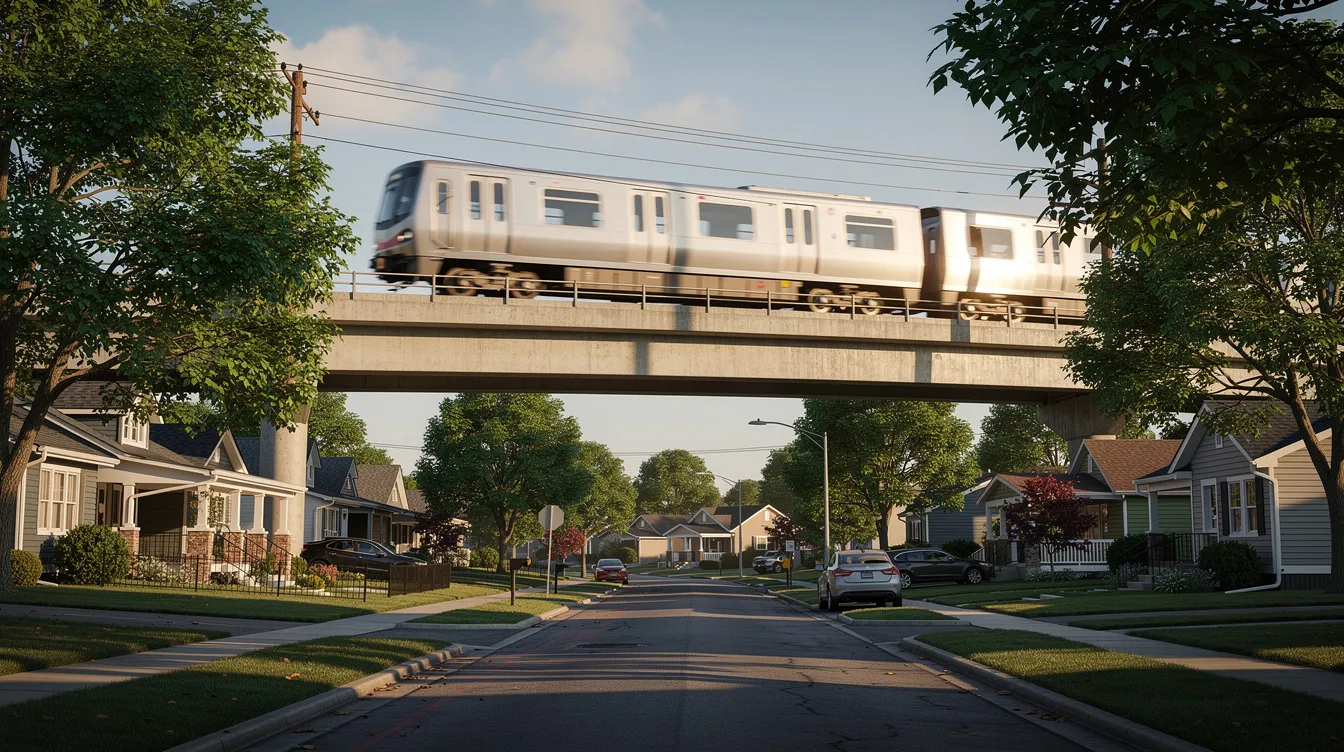
Bukit Timah has five Downtown Line MRT stations running through its heart: Beauty World (DT5), King Albert Park (DT6), Sixth Avenue (DT7), Tan Kah Kee (DT8), and Botanic Gardens (DT9, interchange with the Circle Line). At the southern end, Newton provides a DTL + NSL interchange, while Stevens offers DTL + TEL connectivity.
The Downtown Line connects Bukit Timah to the city in 20 minutes from most corridor stations. Indicative travel times to Raffles Place / Downtown / Telok Ayer:
-
From Beauty World – approximately 22–25 minutes including one transfer
-
From Sixth Avenue / Tan Kah Kee – approximately 18–22 minutes
-
From Newton – approximately 12–15 minutes direct on DTL or NSL
Residents can reach the CBD in under 30 minutes from virtually any point along the corridor. Compare this to Punggol or Sengkang, where MRT commutes to the CBD regularly exceed 45 minutes, and the premium starts to feel proportionate. Bukit Timah is also served by multiple bus routes along Bukit Timah Road, providing redundancy for commuters who prefer surface transport.
Future Enhancements: Turf City MRT (CRL) and North–South Corridor
The Turf City transformation currently underway will reshape the corridor’s northern reaches. The upcoming Turf City MRT station on the Cross Island Line Phase 2 is expected to open in 2032, giving the Dunearn Road and Turf City precinct its own dedicated rail node. For buyers of 2027–2029 new launches near Turf City, this means purchasing at “pre-Cross-Island” prices with potential upside once the line opens – a familiar playbook for Singapore property investors who bought near TEL stations before completion.
The North–South Corridor is another significant enhancement. When completed, the NSC will reduce travel times to the city by 15 minutes for drivers along the Bukit Timah Road and PIE axis. For car-dependent families – still a meaningful segment in the corridor – this improvement supports willingness to pay higher psf.
Walkability: Actual Distances from New Launch Sites to MRT
Walking distance to MRT is one of the strongest predictors of both resale value and rental demand. Here is how the major new launch sites stack up:
-
Bukit Timah Road GLS (Newton end) – approximately 3–5 minutes’ walk to Newton MRT (NSL/DTL interchange). This is among the best MRT adjacency of any corridor launch.
-
Dunearn Road / Turf City parcels – approximately 7 minutes’ walk (~500–600 m) to Sixth Avenue MRT, and future walking distance to Turf City MRT station once CRL Phase 2 opens in 2032.
-
Beauty World integrated development – directly connected to Beauty World MRT and the adjacent bus interchange. Effectively zero walking distance.
Expatriate families and professionals routinely filter for properties within an 8-minute walk to MRT. Projects that meet this threshold capture a disproportionate share of rental demand, which in turn supports capital values. Downtown Line access is priced in – but it also delivers real, measurable convenience that compounds over a long hold.
PSF Benchmarks: New Launch vs Existing Bukit Timah Condos (2024–2026)
This section puts numbers against the narrative. We compare recent new launch pricing for Bukit Timah Road–adjacent projects, resale pricing of nearby 5–15-year-old condos in the same micro-markets, and comparable non-Bukit-Timah options. All figures are based on URA caveats through approximately Q2–Q3 2026 and are given as ranges to avoid false precision.
How Bukit Timah Road New Launches Are Likely to Price
New launches in Bukit Timah typically command a significant premium over resale, and the current pipeline is no exception:
-
Bukit Timah Road GLS (Newton side) – Land cost of ~S$1,820 psf ppr translates to an estimated launch price of approximately S$3,250–S$3,540 psf. Expect marketing to anchor around S$3,000–S$3,400 psf for mainstream stacks, with premium facing potentially higher.
-
Dunearn Road / Turf City Parcel 2 – Estimated launch price for the Dunearn Road project is around S$3,200–S$3,500 psf, with breakeven calculations suggesting a floor near S$2,600–S$3,000 psf depending on unit type. Wing Tai Holdings and Metro Holdings, through their Wing Tai Metro JV, paid $533 million for the first Dunearn Road site, establishing the pricing benchmark for this precinct.
-
Dunearn House (Parcel 1, Turf City) – The first Dunearn Road site launched at earlier pricing: Dunearn House launched from S$1.475 million for a two-bedroom unit, with average psf projected around S$2,900–S$3,100.
-
Beauty World integrated development and corridor-adjacent launches – Entry-level corridor pricing ranges from S$2,000–S$2,600 psf, offering a softer on-ramp. Mayfair Modern and Daintree Residence are useful reference points for older launches in this zone.
Actual future pricing will depend on interest rates, GLS pipeline density, and competing launches. But the direction is clear: new development along Bukit Timah Road can create long-term structural upside for investors willing to enter at current levels.
Resale Comparables Within Bukit Timah
For buyers considering resale as an alternative to new launches, here are key reference projects with approximate 2024–2026 psf:
-
Floridian (Bukit Timah Road, freehold) – Resale prices for Floridian averaged around S$2,476 psf last year. A useful benchmark for freehold corridor stock in established buildings.
-
Sixth Avenue Residences / Maple Woods – Approximately S$2,000–S$2,400 psf. Older but larger units; families prioritising space over newness often land here.
-
Hillview / Beauty World leasehold projects – Approximately S$1,700–S$2,100 psf. The most affordable corridor entry, trading lower density and slightly weaker MRT access for psf savings.
-
Suites @ Bukit Timah (freehold) – Recent resales around S$1,880 psf median, illustrating how older freehold stock can sit well below new launch pricing.
The trade-off is consistent: new launches carry a 15–30% premium over resale, but offer brand-new facilities, longer lease runway, and early-phase entry pricing that historically appreciates during the construction-to-TOP window.
How Bukit Timah Stacks Up Against Non-Bukit-Timah Choices
Buyers often shortlist Bukit Timah alongside these alternatives:
-
Holland Village / Buona Vista / Queenstown (CCR/RCR mix) – Holland Village offers diverse dining and lifestyle options nearby, and recent CCR launches like Amberwood at Holland traded at a median of ~S$3,021 psf. Pricing brackets overlap with Bukit Timah, but the school cluster is notably thinner.
-
Newton / Cairnhill / River Valley (District 9) – Projects near the same Newton MRT node that are not marketed as “Bukit Timah Road” sometimes price 5–10% lower because they lack the school belt association. However, rental demand from corporate leases can be stronger.
-
Strong OCR nodes (Paya Lebar, Kallang Riverside Park, Punggol) – Resale and new launch psf typically range from S$1,800–S$2,300, offering larger units for the same quantum. But school depth and MRT-to-CBD times are materially weaker.
The choice often resolves to: a slightly smaller Bukit Timah unit with a strong school belt and green buffer, versus a larger non-Bukit-Timah unit with potentially better rental yield but weaker schooling infrastructure.
Applying an Investor’s Lens: Value, Risks and Exit Strategy
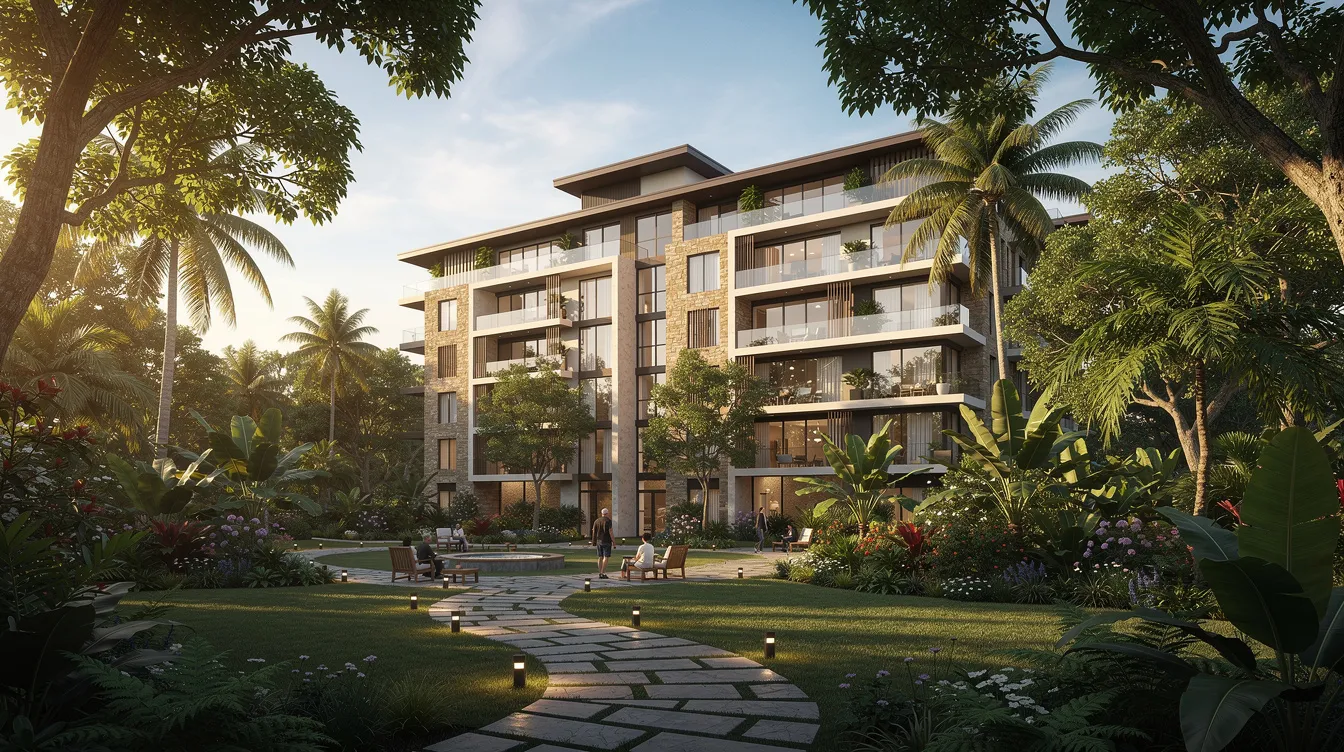
Moving from descriptive comparison to structured evaluation, this section offers a framework for assessing whether a Bukit Timah Road new launch fits your portfolio. Evaluating property involves assessing unit layouts, orientation, and surrounding environment – but it also requires clear-eyed thinking about holding period, exit buyers, and competing supply.
Step-by-Step: Evaluating a Bukit Timah Road New Launch
Any buyer – whether owner-occupier or investor – can follow this four-step decision method:
-
Define your holding period and school needs. Are you buying for P1 registration, secondary/IP access, or neither? A school-driven purchase justifies the premium only if the holding period aligns with schooling milestones (minimum 6–10 years for one child, 10–20 for two).
-
Compare psf against nearby 5–15-year resale within 500–800 m of the same MRT. If the new launch premium exceeds 25% over comparable resale stock and you have no school-driven reason to buy new, the resale may offer better risk-adjusted returns.
-
Assess tenure, layout efficiency, and stack quality. Check for west-sun exposure, road noise from Bukit Timah Road or Dunearn Road, and set-back distances. Premium stacks within the same development can differ by 5–10% in psf – and by far more in liveability.
-
Plan your exit. Identify who your target buyer will be in 2035–2040. If it is the next cohort of school-focused families, the thesis holds. If competing GLS launches or en bloc redevelopments will flood the same micro-market by then, factor in the supply risk.
Comparison: Bukit Timah Road New Launch vs Existing Bukit Timah Condo
|
Criterion |
New Launch on Bukit Timah Road |
10–15 yr Resale in Same Corridor |
|---|---|---|
|
Entry psf (2BR/3BR) |
S$3,000–S$3,500 psf |
S$1,900–S$2,500 psf |
|
Total quantum (3BR ~1,000 sqft) |
~S$3.0M–S$3.5M |
~S$1.9M–S$2.5M |
|
Distance to MRT |
Typically ≤8 min walk (site-selected for GLS) |
Variable; some older projects 10–15 min walk |
|
School proximity (1 km band) |
Designed around catchment mapping |
Depends on specific address; may or may not fall within 1 km |
|
Estimated gross rental yield |
~2.5–3.0% (high quantum compresses yield) |
~3.0–3.5% (lower quantum supports yield) |
|
Capital appreciation potential |
Higher upside if bought at launch pricing; benefits from construction-to-TOP appreciation |
Capital preservation focus; appreciation tied to en bloc potential or market cycle |
High property prices in Bukit Timah often lead to compressed rental yields – a reality that yield-focused investors must weigh carefully. For family-occupiers prioritising school access and modern layouts, new launches justify the spread. For investors seeking cash flow, resale stock in the same corridor often delivers better income per dollar deployed.
Comparison: Bukit Timah Corridor vs Holland / Newton Alternatives
|
Criterion |
Bukit Timah Corridor |
Holland–Buona Vista |
Newton–Cairnhill |
|---|---|---|---|
|
Typical new launch psf |
S$2,900–S$3,500 |
S$2,800–S$3,100 |
S$3,000–S$3,600 |
|
Typical resale psf |
S$1,900–S$2,500 |
S$1,800–S$2,400 |
S$2,000–S$2,800 |
|
School belt strength |
Strongest (5+ elite primary + IP cluster) |
Moderate (Henry Park, some Holland-area schools) |
Moderate (ACS Junior accessible, fewer secondary/IP) |
|
MRT connectivity |
Downtown Line spine + future CRL |
Circle Line + future CRL |
NSL + DTL + TEL interchange |
|
Dominant rental demand type |
Families (Singapore citizens + Singapore PRs + expats) |
Mixed (singles, couples, families) |
Corporate leases, professionals |
|
Green buffer / low density living |
Highest (Bukit Timah Nature Reserve, rail corridor) |
Moderate (Holland area, limited parks) |
Low (urban density near Orchard Road) |
While CCR District 9/10 alternatives share pricing brackets, the Bukit Timah corridor stands out in school depth, access to nature reserves, and low-density living with generous green spaces. Bukit Timah features structural land scarcity with limited availability of land for future development, which underpins long-term price resilience.
Common Challenges and How to Avoid Overpaying
Launch weekends in prestigious corridors like Bukit Timah generate intense FOMO. Buyers queue for ballot numbers, agents push urgency, and the “Bukit Timah” name carries emotional weight that can override analytical discipline. Here are four common pitfalls – and how to avoid them.
Problem 1: Confusing “Bukit Timah” Branding with Actual Location
Some projects use “Bukit Timah” in marketing materials but sit at the corridor’s fringe, with weaker school catchment and MRT access. A project technically in the Bukit Timah planning area but 1.5 km from the nearest Downtown Line station and outside the 1 km band of any elite school does not carry the same premium justification.
Solution: Verify the URA Master Plan planning area designation, measure exact distances to specific schools using MOE’s school finder, and confirm MRT walk times on OneMap before accepting the premium.
Problem 2: Ignoring Stack-Level Noise and Traffic Exposure
Bukit Timah Road and Dunearn Road are arterial roads carrying heavy traffic. Units directly fronting these roads – or facing major junctions – can experience significant noise despite the “prime district” branding. This affects both liveability and resale appeal.
Solution: Request stack maps from the developer, conduct on-site visits during peak hours (7:30–9:00 AM, 5:30–7:30 PM), and consider paying the within-development premium for inward-facing or park-facing stacks. The psf difference between a road-front and garden-front unit in the same project can be 3–8%, but the liveability difference is transformative.
Problem 3: Over-Leveraging Because “Bukit Timah Never Drops”
The assumption of perpetual price growth is dangerous in any market. Even prime districts have experienced flat or negative real returns during specific periods. Stamp duty obligations – including Additional Buyer’s Stamp Duty for second properties, Singapore PRs, and non-citizen buyers – add significant upfront friction.
Solution: Run your Total Debt Servicing Ratio calculations conservatively. Stress-test against 1–2% interest rate increases from current levels. Ensure you have holding power for at least one full property cycle (7–10 years) without needing to force a sale.
Problem 4: Not Planning an Exit Beyond Children’s School Timeline
Once children graduate from the IP/JC cluster, many families want to right-size or relocate nearer to work. But exiting a 99-year leasehold unit into a market saturated with newer competing launches – especially if more GLS parcels in the Turf City precinct have been released – can mean accepting a discount.
Solution: Design an exit window 2–4 years after your key schooling milestone. Track the GLS pipeline and HDB supply in nearby areas to avoid selling into peak supply. If your lease will be past the 20-year mark at exit, factor in the buyer psychology around remaining lease tenure.
Conclusion and Next Steps
The Bukit Timah corridor premium is still worth paying – but only for the right buyer profile and the right reasons. For school-focused families planning 10–20-year holds, the combination of top-ranked schools clustered within walking distance, five Downtown Line stations, the future Turf City MRT, proximity to the Bukit Timah Nature Reserve, and structural land scarcity creates a proposition that no other Singapore corridor matches at equivalent scale. New developments along Bukit Timah Road can create long-term structural upside for investors who buy with patience and discipline.
For yield-driven investors, buyers needing larger units on fixed budgets, or those without school-age children, the premium is harder to justify. Holland Village, Newton, River Valley, or strong OCR nodes may deliver better rental yield, more space per dollar, or comparable lifestyle without the school-belt markup. The trade off is real: you gain flexibility and lower entry cost, but you lose the structural demand floor that school-cycle buying creates.
Your immediate next steps:
-
Shortlist 2–3 Bukit Timah Road new launches (e.g. Bukit Timah Road GLS Newton, Dunearn Road Parcel 2, Beauty World ID) alongside 2–3 resale comparables in the same corridor
-
Map school and MRT distances for each shortlisted project and verify 1 km / 2 km catchment bands using MOE’s school finder
-
Check psf gaps between new launch and resale using URA REALIS transaction data
-
Run specific affordability and exit scenarios including ABSD obligations, TDSR stress-testing, and projected exit pricing in 2035–2040
-
Speak with a data-driven adviser who can benchmark Bukit Timah residential options against your wider portfolio, including industrial and commercial property diversification
Additional Resources
-
URA Master Plan viewer – Verify zoning, plot ratio, and future development plans for Bukit Timah, Dunearn Road, and Newton corridors
-
MOE School Finder – Confirm 1 km and 2 km bands for every primary school mentioned in this article
-
URA REALIS – Access actual transaction caveats to compare psf across districts and tenure types
-
Bukit Timah Nature Reserve and Rail Corridor information – NParks for trail maps, conservation status, and green corridor connectivity details

