

Introduction
Lucerne Grand is the most significant new launch to land beside Lakeside MRT in nearly a decade, and its estimated launch price of around $2,400 per square foot is forcing every serious buyer in the west to recalibrate. Developed by City Developments Limited within the heart of Jurong Lake District – Singapore’s designated second CBD – this 570-unit mixed-use development is not just another OCR condo. It is a pricing statement for the entire Lakeside corridor.
This review is numbers-driven. We break down how CDL’s land cost of $1,132 psf ppr translates into launch prices, how those prices compare against nearby projects like LakeGarden Residences, Sora, Lake Grande, and Lakefront Residences, what the Lakeside MRT connection actually delivers in daily commute terms, and whether the Jurong Lake District growth story justifies the premium. This is not a brochure walkthrough of swimming pools and sky gardens – it is a forensic look at whether ~$2,400 psf is defensible for Singapore buyers weighing their biggest financial commitment.
Early verdict: For 2-bedroom and compact 3-bedroom buyers planning a holding horizon of 10 years or more, Lucerne Grand’s entry price is broadly defensible – underpinned by direct MRT adjacency, integrated retail, and the strongest government-backed decentralisation play in Singapore. Buyers chasing larger formats or short-term flips should be more cautious given higher total quantum and the execution timeline of JLD’s transformation.
Here is what this review covers:
-
Launch pricing reality: How ~$2,400 psf breaks down across the unit mix, from $1.5M 2-bedders to $2.8M+ 4-bedroom premiums.
-
West-side benchmarks: Lucerne Grand versus Sora, LakeGarden Residences, J’den, Lakefront Residences, and Lake Grande on a psf and total quantum basis.
-
Connectivity depth: Lakeside MRT travel times, expressway access, and the noise/privacy trade-offs of living next to an above-ground track.
-
JLD growth story vs hype: What is confirmed, what is aspirational, and how to underwrite capital appreciation without relying on 2040 renderings.
-
Decision framework: Who should buy, who should wait, and how to avoid the most common unit selection mistakes at this site.
Understanding Lucerne Grand as a West-Side Flagship Launch
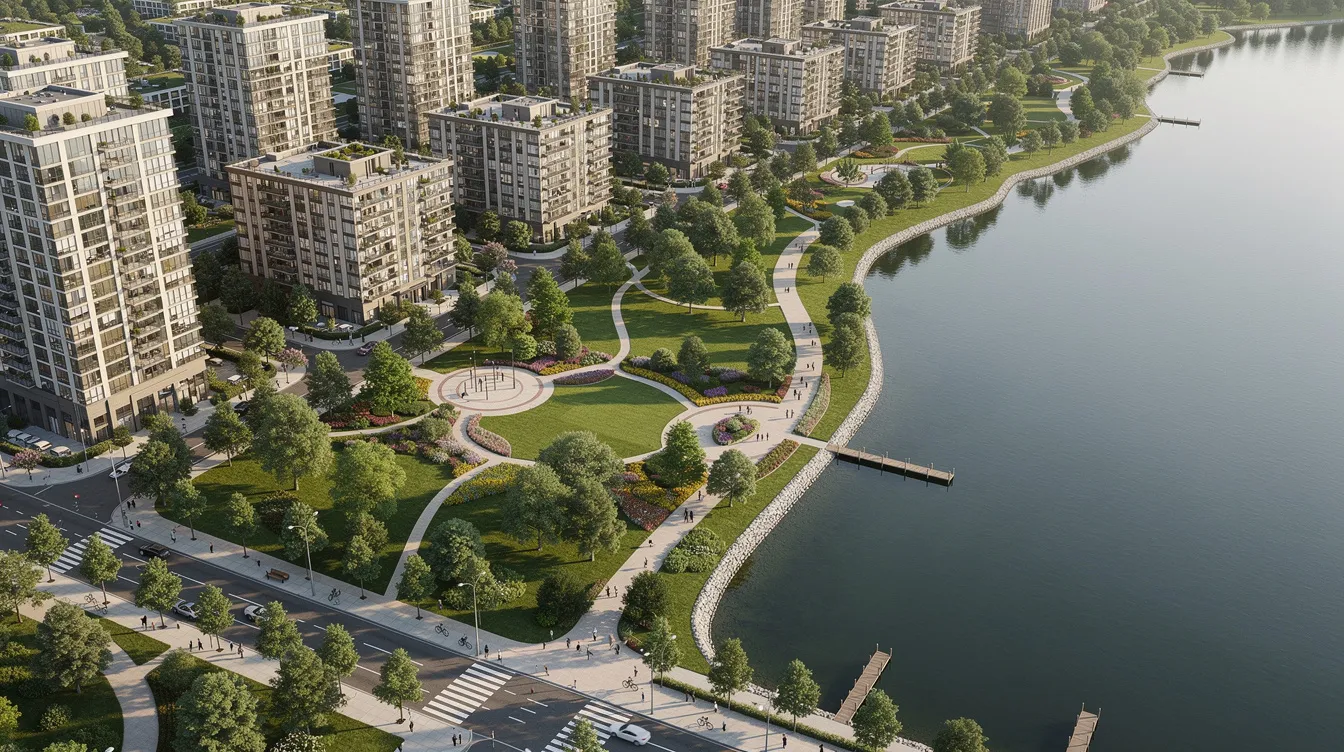
Lucerne Grand is resetting what buyers expect to pay for a west-side condo. As the first full-scale mixed-use, MRT-integrated residential development beside Lakeside MRT since The Lakefront Residences completed over a decade ago, it arrives at a moment when Jurong Lake District is transitioning from planning concept to physical reality. Understanding the project’s DNA and its district context is essential before evaluating whether the price tag holds up.
Project Snapshot: What Lucerne Grand Actually Is
Lucerne Grand is a 99-year leasehold condominium along Lakeside Drive in District 22, developed by City Developments Limited (CDL) – a developer with over 60 years of experience and more than 55,000 homes delivered globally. CDL’s recent projects include Tembusu Grand and Piccadilly Grand, and their build quality is consistently high across developments. CDL paid $1,132 psf ppr for the land in June 2025, meaning the rate paid per square foot per plot ratio for the Lakeside Drive GLS site, securing it at $608 million – a bid that was 10.4% above the second-highest offer, signalling deep conviction in this location.
The project comprises an estimated 570 residential units across five blocks of approximately 17 storeys each. At ground level sits the Lucerne Galleria retail podium, which includes a mandatory supermarket of at least 700 sqm plus additional commercial space for F&B and neighbourhood shops. This integrated retail component is a defining feature – it transforms the development from a standalone condo into a self-contained mixed-use node.
The unit mix spans seven configurations: 2-Bedroom (~620 sq ft), 2-Bedroom + Study (~670–710 sq ft), 3-Bedroom (~870–900 sq ft), 3-Bedroom Premium + Study (~960–1,000 sq ft), 4-Bedroom Premium (~1,140–1,190 sq ft), 4-Bedroom Premium + Study (~1,350 sq ft), and 4-Bedroom Premium + Entertainment (~1,450 sq ft). The 2-bed and 3-bed types form the bulk – roughly 38.9% and 44.4% respectively – with 4-bed types accounting for the remaining 16.7%.
Previewing began around 18 September 2026, with booking day on 3 October 2026 and expected TOP likely around 2030, subject to final approvals.
One technical point that matters for price comparisons: Lucerne Grand is built under the harmonised GFA regime introduced after June 2023. This means less “dead space” – bay windows, planter boxes, and corridors that inflate strata area without adding usable square foot measurements are now more tightly regulated. When you compare psf across Lucerne Grand and older condos, the newer project delivers more liveable area per dollar on a like-for-like basis.
The Jurong Lake District Context
Jurong Lake District spans over 410 hectares and is URA’s designated second central business district – the largest mixed-use business district outside the city centre. When fully built out, the Jurong Lake District has 1.4 million sqm of planned office space, tens of thousands of new homes, and multiple hotel and lifestyle precincts integrated with Jurong Lake Gardens and waterfront public spaces.
Existing anchors already generate significant daily foot traffic and employment: JEM, Westgate, and IMM anchor the Jurong East retail cluster; Ng Teng Fong General Hospital and Jurong Community Hospital serve the western healthcare catchment; Jurong Innovation District and International Business Park provide corporate and R&D employment nodes; and Nanyang Technological University brings a steady academic population. Schools like Rulang Primary and Canadian International School serve families in the surrounding estates.
Near-term catalysts are tangible. The upcoming Jurong Region Line stages are opening from approximately 2027–2029, adding interchange capacity at Jurong East and broadening rail access across the west. The Science Centre redevelopment near Jurong Lake Gardens is scheduled for completion around 2027. URA has continued releasing land parcels and white-zone sites near the Jurong East interchange for mixed-use development, including future office, residential, retail, and hotel components slated for delivery through the late 2020s and early 2030s.
Understanding these fundamentals matters – but the real question is how CDL translated this district story into actual launch prices. That requires looking at the numbers.
Lucerne Grand’s Numbers: Land Cost, Launch Results, and $2,400 PSF Reality
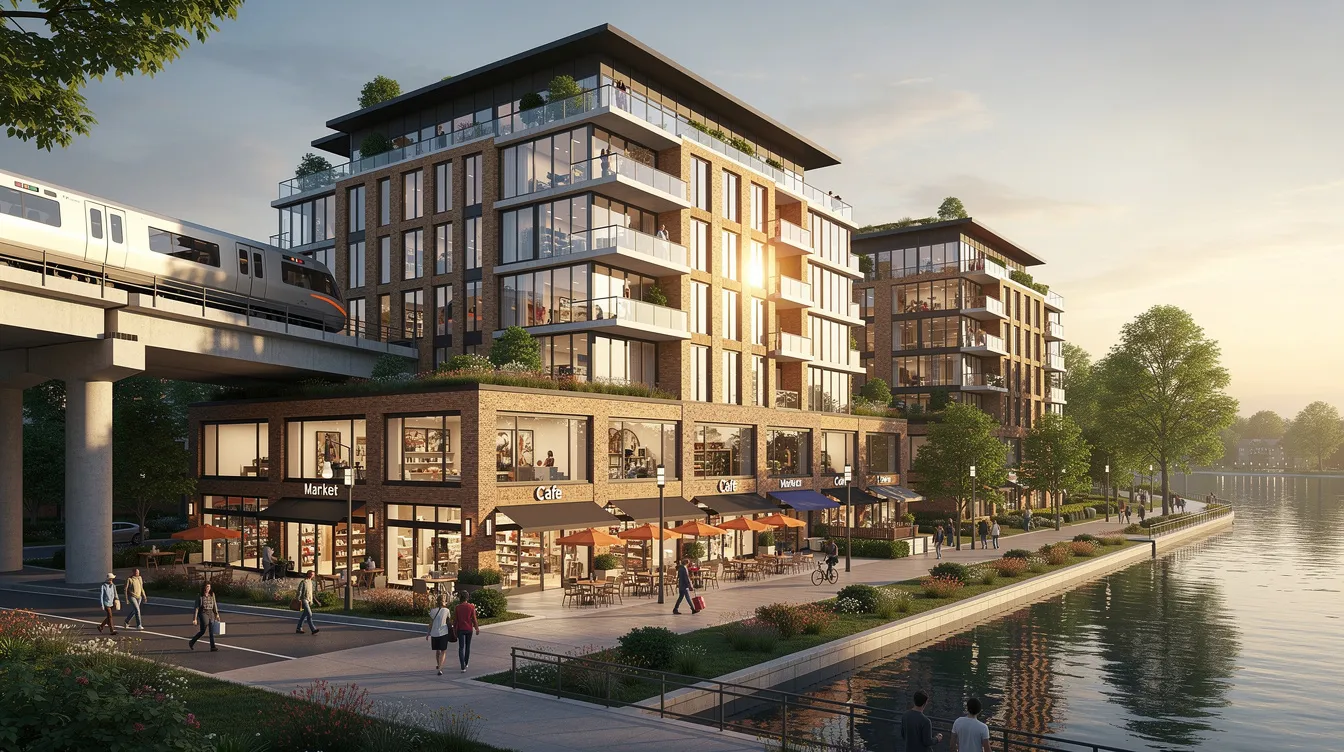
The JLD narrative is compelling, but buyers write cheques based on numbers. Here is how CDL’s $1,132 psf ppr land cost translates into the approximately $2,400 psf that Lucerne Grand is asking – and what that means for different unit types.
From $1,132 PSF PPR to Launch Pricing
The Lakeside Drive site sold for $608 million at $1,132 psf ppr in June 2025, referring to the land rate per square foot per plot ratio – one of the highest OCR land rates achieved in District 22 this cycle, trailing only select parcels like Bayshore Road and Clementi Avenue 1. This land cost immediately set a high floor for launch prices.
Developers typically need a 15–20% margin over total development costs (land, construction, financing, marketing, and increasingly stringent sustainability requirements mandated by JLD design guidelines). Working backward from a $1,132 psf ppr land cost, a clean breakeven estimate for the average selling price per square foot lands in the $2,450–$2,550 range for entry-level stacks. Lucerne Grand’s estimated launch price of around $2,400 psf for smaller units is thus tight against breakeven – suggesting CDL has priced competitively to drive initial take-up rather than maximising day-one margins.
The working assumption across this review is an average launch of approximately $2,350–$2,500 psf, depending on stack, floor, and orientation. Buyers should always verify the latest price lists from the showflat or their preferred agent, as guide prices can shift between preview and booking day.
Launch Weekend Results and Take-Up
With booking day on 3 October 2026, official URA caveats for transacted prices were not yet publicly filed at the time of this review. However, early signals from the preview period indicate several patterns worth watching:
-
2-Bedroom and 2-Bedroom + Study units are expected to clear fastest, driven by West-side HDB upgraders and investors seeking the lowest absolute quantum entry into a JLD-integrated project.
-
3-Bedroom formats – representing the largest share of the unit mix – are attracting dual-income families upgrading from Boon Lay and Jurong HDB flats who want proximity to schools and MRT connectivity.
-
4-Bedroom Premium units, while offering lower psf, carry total quantum above $2.7M, which narrows the buyer pool considerably.
First-weekend booking rates matter beyond headline numbers: strong oversubscription gives CDL pricing power to push higher psf for remaining higher-floor and premium-view stacks. For nearby resale owners at projects like Lakefront Residences and Lake Grande, a strong launch also lifts the perceived price ceiling for the entire Lakeside corridor. Lucerne Grand’s pricing may reset the Lakeside area’s price ceiling if initial take-up is robust.
What $2,400 PSF Looks Like by Unit Type
Lucerne Grand’s preliminary pricing reveals a clear gradient – smaller units carry higher psf but lower total quantum, while larger formats trade at lower psf but substantially higher absolute prices:
-
2-Bedroom (~620 sq ft): From approximately $1.498M, implying ~$2,415 per square foot. The average price for a 2-bedder at Lucerne Grand is $1.5–1.8M depending on floor and orientation.
-
2-Bedroom + Study (~670–710 sq ft): From approximately $1.6M, yielding ~$2,250–$2,400 psf.
-
3-Bedroom (~870–900 sq ft): Starting around $1.988M at ~$2,200–$2,300 psf. The larger 3-Bedroom Premium + Study (~960–1,000 sq ft) drops further in psf.
-
4-Bedroom Premium (~1,140–1,190 sq ft): From approximately $2.788M, translating to ~$2,350–$2,450 psf. The largest 4-Bedroom + Entertainment (~1,450 sq ft) configurations trade at the lowest psf of the entire project.
These figures highlight an important nuance: psf alone can mislead. A 2-bedroom buyer at $2,415 psf is committing $1.5M; a 4-bedroom buyer at $2,350 psf is writing a $2.8M cheque. For dual-income families earning a combined $12,000–$15,000 monthly, the 2- and 3-bedroom formats are where affordability aligns with the entry price. Larger units require meaningfully higher household income or substantial sale proceeds from an existing property.
Under the harmonised GFA rules, the liveable space per square foot in Lucerne Grand should be measurably better than older projects where bay windows and planter boxes inflated strata areas without adding functional room.
How Lucerne Grand Compares to West-Side Benchmarks
A Lucerne Grand review that does not compare against both new launch and resale benchmarks is incomplete. The question is not whether $2,400 psf sounds expensive in isolation – it is whether that figure is stretched or defensible relative to what else is available in Jurong and the broader west.
Comparing Against Jurong Lake New Launches
The most relevant new launch comparisons are projects that share the Jurong Lake and District 22 geography:
LakeGarden Residences sits along Yuan Ching Road – a lakeside fringe location with 306 units. Its average new-sales psf has ranged from the high $2,100s to mid-$2,300s, with recent developer transactions for larger units (~1,237 sq ft, floors 16–20) reaching approximately $2,472 psf. LakeGarden Residences lacks direct MRT adjacency and does not include an integrated retail podium – two differentiators that partly justify Lucerne Grand’s premium.
Sora, a 440-unit project also in the Jurong Lake corridor, launched at an average of approximately $2,160 psf for its initial batch, with some higher-floor stacks trading up to ~$2,550 psf over time. Its land cost was ~$1,023 psf ppr – meaningfully lower than Lucerne Grand’s $1,132 psf ppr. Like LakeGarden Residences, Sora is not directly on top of an MRT station and does not include a mandatory supermarket.
J’den, positioned closer to the Jurong East node, has achieved an all-time average new-sale psf of approximately $2,476 and a median of ~$2,481. Its smaller 2-bedroom units have reached mid-$2,500 psf for attractive stacks. Nearby projects are transacting between $2,100 and $2,475 psf, confirming that Lucerne Grand’s pricing sits at the upper boundary but is not an outlier for the district.
Lucerne Grand’s implied pricing premium of roughly $200–$300 psf over LakeGarden Residences and Sora is largely attributable to three factors: direct Lakeside MRT adjacency, the integrated retail podium with supermarket, and a newer design under harmonised GFA regulations. Whether that price gap is worth paying depends on how much you value doorstep MRT access and on-site convenience versus a potentially larger unit or lower total quantum at comparable projects.
Resale and OCR Benchmarks
Resale condos near Lakeside MRT provide a different kind of benchmark. Lakefront Residences (TOP 2014, 99-year remaining lease) has traded at a median resale psf of approximately $1,750–$1,900 in the past 12 months. A representative transaction: a 1,001 sq ft unit on floors 11–15 sold for roughly $1,810,000 (~$1,808 psf) in mid-2026. Lake Grande, Caspian, and other existing condos within 1–1.5 km of Lakeside have similarly traded in the $1,700–$2,000+ psf band.
This puts Lucerne Grand at a roughly 25–35% premium over nearby resale – consistent with the typical new launch premium observed across Singapore’s OCR market. Older projects also carry disadvantages under the pre-harmonised GFA regime: larger strata areas that include bay windows and planter boxes that do not translate to usable living space, plus the natural lease decay that weighs on 99-year leasehold properties as they age.
For context, 226 unsold new-launch units exist in Districts 22 and 24, meaning supply is manageable but not negligible. Buyers weighing resale alternatives should factor in remaining lease, renovation costs, and the likelihood that new competing supply will continue to enter the Lakeside corridor as JLD builds out.
Interpreting the Premium: What Exactly Are You Paying For?
The premium at Lucerne Grand breaks down into identifiable components:
MRT adjacency. Lucerne Grand is a short walk to Lakeside MRT – sheltered and direct, roughly 50 metres from the site edge. Real estate buyers should consider proximity to MRT for added value and convenience, and this project delivers the most immediate MRT connection of any current new launch in District 22. Real estate transactions should account for factors like zoning, lease structures, and operational fit – and direct MRT linkage ticks the zoning and operational convenience boxes decisively.
New stock under harmonised GFA. Compared to older Jurong condos where inefficient layouts inflate psf without delivering proportional liveable space, Lucerne Grand’s floor plans offer more functional area per dollar. This makes raw psf comparisons against resale slightly misleading in Lucerne Grand’s favour.
Integrated retail podium. Having a supermarket, F&B, and shops within your development – rather than relying on a 10-minute walk to the nearest mall – adds a lifestyle and convenience premium that is especially valued by families and elderly residents.
JLD second CBD upside. Buyers at Lucerne Grand are underwriting the Jurong Lake District transformation in a way that resale buyers at Lakefront Residences or Caspian are not. That upside is real but uncertain in timing.
Price is only justifiable if the connectivity and growth story hold up under scrutiny – which brings us to the next section.
Lakeside MRT Link and Everyday Connectivity
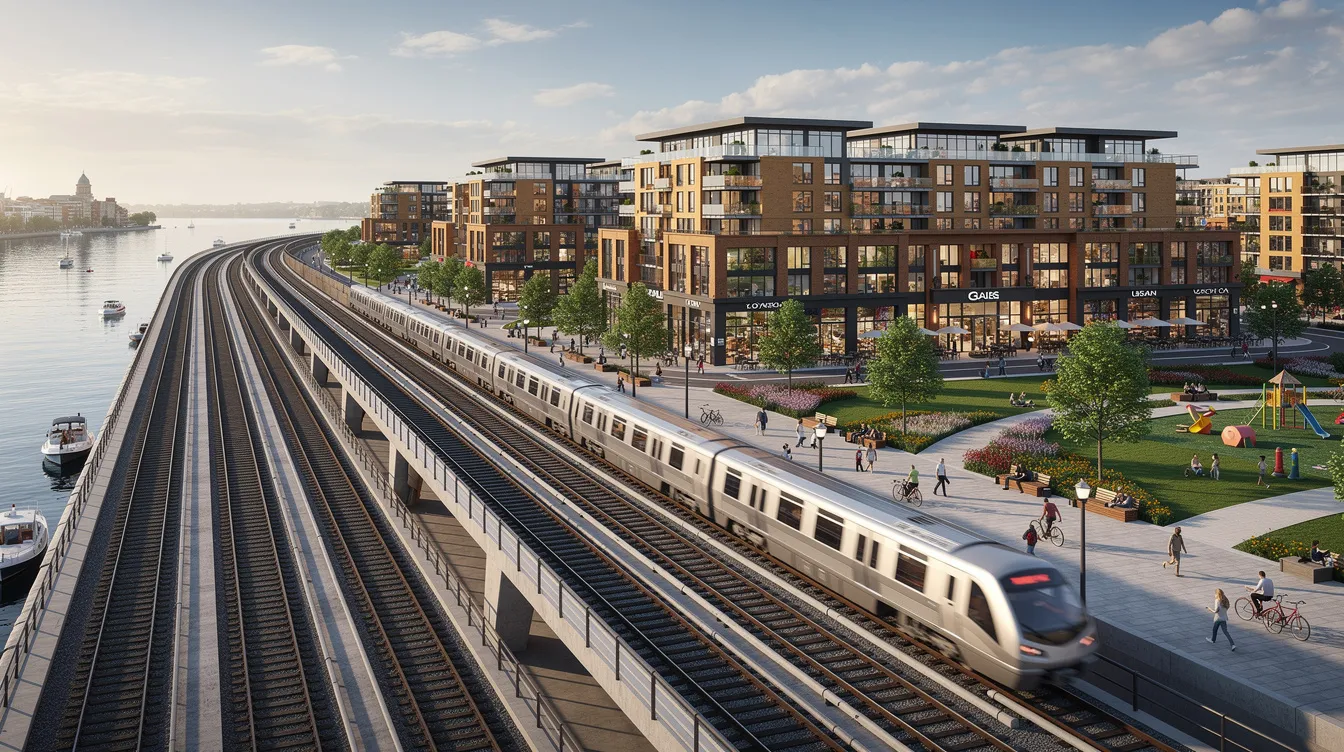
Lakeside MRT is not just another neighbourhood station. It sits on the east west line – one of Singapore’s oldest and most heavily used rail corridors – and will benefit from the upcoming Jurong Region Line interchange expansion at Jurong East, making it a strategic connectivity node for the entire western region.
Rail Connectivity Today and by 2030
Lakeside MRT (EW26) provides direct east west line access: one stop to Boon Lay, two stops to Chinese Garden MRT, and three stops to Jurong East interchange. From Jurong East, commuters can transfer to the North-South Line or (once operational) the Jurong Region Line. Lakeside MRT connects directly to Jurong East interchange, giving residents straightforward access to Raffles Place, Tanjong Pagar, City Hall, and Paya Lebar without complex transfers.
Estimated travel times from Lakeside: approximately 5–6 minutes to Jurong East, and roughly 30–35 minutes to the central business district during normal hours. This makes daily commuting to CBD offices viable, if not exactly swift – comparable to outer fringe locations like Tampines or Punggol in travel duration.
The upcoming Jurong Region Line phases (targeted 2027–2029) will add new interchange capacity and broaden the rail catchment for workers and tenants around Lakeside. As more JRL stations come online, the residential hinterland feeding into Jurong East – and by extension Lakeside – will expand significantly, supporting both rental demand and property values.
Driving, Expressways, and Last-Mile Considerations
For drivers, Lakeside Drive connects to major arterials including Boon Lay Way and Jurong Town Hall Road, with relatively quick access to PIE, AYE, and KJE. Peak-hour congestion along Boon Lay Way is a known pain point, and as JLD builds out, traffic volumes in the immediate vicinity are likely to increase before infrastructure improvements catch up.
Last-mile connectivity is a strength. Sheltered paths from Lucerne Grand to Lakeside MRT eliminate weather-dependent commuting. Bus services around the estate serve Jurong East, Boon Lay, and surrounding neighbourhoods. URA’s design guidelines for JLD require “walk-cycle-ride” modes to account for approximately 85% of commuting trips by 2035, and dedicated cycling and pedestrian paths connecting to Jurong Lake Gardens, nearby schools, and amenities are already being implemented.
Noise, Privacy, and Line-of-Sight Around the Track
Living adjacent to an above-ground MRT viaduct comes with trade-offs that directly affect livability and resale value. Lower-floor stacks facing the tracks will experience train noise (particularly during early morning and late evening service), visual exposure from passing trains, and some vibration perception. Higher floors and stacks oriented away from the track – toward Jurong Lake or internal landscaping – will be insulated from these effects and will likely command higher psf accordingly.
Stack selection is critical. Buyers should also factor in afternoon sun exposure for west-facing and north-west-facing stacks, as well as potential noise from the retail podium’s supermarket loading bays and operational activity. The same MRT feature that commands a price premium can be a negative for noise-sensitive families – reinforcing the need for careful unit-by-unit evaluation rather than relying solely on the developer’s average psf narrative.
Jurong Lake District Growth Story: Upside vs Hype
Much of Lucerne Grand’s pricing bakes in the promise that Jurong Lake District will transform into a thriving second CBD. Investors and owner-occupiers alike need to separate near-certainties from long-range marketing maps and underwrite their decisions accordingly.
What Is Actually Confirmed and Under Way
The confirmed, near-term elements of JLD’s transformation are substantial:
-
Existing commercial ecosystem: JEM, Westgate, IMM, and the Jurong East office cluster are already operational and generate significant weekday foot traffic. Ng Teng Fong General Hospital and Jurong Community Hospital anchor healthcare employment.
-
Jurong Lake Gardens redevelopment is partly completed with additional phases coming, providing over 160 hectares of green and waterbody spaces within JLD’s 410-hectare footprint.
-
Jurong Region Line civil works and station construction schedules have been announced by LTA, with opening phases from approximately 2027–2029.
-
URA GLS pipeline includes sites near the Jurong East interchange – adding homes, offices, and retail through the late 2020s and into the next phase of the early 2030s.
-
Employment anchors at Jurong Innovation District, International Business Park, and NTU proximity are already generating demand for residential accommodation near Lakeside and Jurong Lake Central.
The Jurong Lake District transformation may enhance property values in the long term – and the physical evidence on the ground supports cautious optimism rather than blind faith.
Long-Term Plans and Execution Risk
Some URA concept plans stretch beyond 2040, including fully built-out JLD CBD grids, waterfront business clusters, and potential commercial expansions west of the current core. Jurong Lake District’s planned office GFA of 1.4 million sqm is ambitious and represents a generational build-out timeline – not a near-term catalyst.
Macro uncertainties are real. Shifts in office demand driven by hybrid work models could slow the pace of office and hotel construction. Economic cycles will inevitably create periods where land sales stall and development timelines extend. The projected property market trends in Singapore demand analysis for prudent investments – buyers should underwrite primarily on existing fundamentals plus one or two visible phases of growth, not optimistic renderings two decades out.
Renting and pricing conditions in Singapore’s real estate market should be evaluated for long-term investments, and JLD is no exception. The sustainability mandates (net zero emissions for new developments by ~2045, district cooling systems) increase upfront costs for developers, which will continue to be built into launch prices across the district.
What This Means for Lucerne Grand’s Capital Values and Rentability
The JLD expansion is expected to create a diverse tenant pool: staff from Jurong East offices, medical professionals at the hospitals, engineers and researchers in Jurong Innovation District, and NTU-linked academics and students. Nearby projects have rental yields of $3,900–$4,600/month for comparable 2-bedroom formats. Adjusting for Lucerne Grand’s new-launch premium and MRT adjacency, initial rental estimates for stabilised 2-bedroom units could range from $4,000–$4,800/month – translating to a rental yield of roughly 2.8–3.2% at launch quantum.
For capital appreciation, the trajectory depends heavily on whether future JLD launches continue pricing above $2,400–$2,600 psf. If they do, Lucerne Grand will anchor a new pricing standard for Lakeside. However, buyers should be prepared for rental growth to materialise gradually and for some volatility during market corrections. A 10-year holding horizon aligns with the realistic timeline for JLD’s next phase of meaningful build-out.
Common Buyer Questions, Challenges, and How to Decide
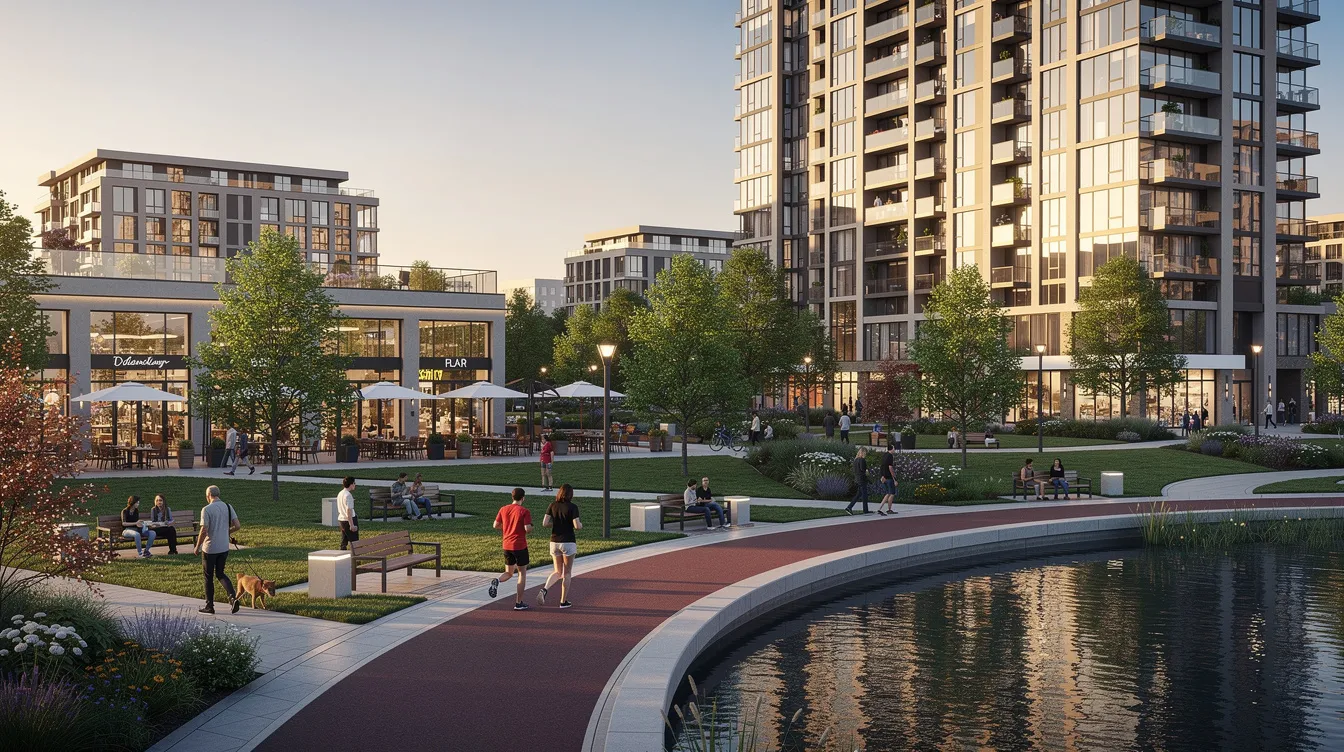
Here are the most common decision questions that arise when evaluating Lucerne Grand – along with frameworks for thinking through each one.
“Is $2,400 PSF Overpaying Compared to Resale?”
The typical 25–35% premium of new launches over nearby resale is visible here: Lakefront Residences trades at ~$1,800 psf versus Lucerne Grand’s ~$2,400. That price gap is wider than some buyers expect, but it reflects MRT integration, harmonised GFA layouts, and JLD growth underwriting that resale does not carry.
A simple framework: if your budget is tight and you prioritise space over newness, resale projects like Lake Grande or Lakefront Residences offer more square foot per dollar and immediate occupancy. If you plan to hold 10+ years and value doorstep MRT access, integrated retail, and district transformation upside, the premium at Lucerne Grand can be justified. Real estate transactions should account for factors like remaining lease duration – older 99-year projects lose value faster as lease decay accelerates past the halfway mark.
“Should I Buy Now or Wait for Future JLD Launches?”
Land price trends point in one direction: the Lakeside Drive GLS site sold for $1,132 psf ppr, and later GLS parcels in JLD – especially those closer to Jurong East or Jurong Lake Central – may be tendered at even higher psf ppr. Future launches could come at higher launch prices, not lower.
However, cooling measures or weaker market sentiment could also suppress future land bids. Early buyers gain the most price discovery upside but have the least information on future supply and final urban form. Late movers can compare across more projects but likely at higher absolute prices. If you wait for certainty, you pay for it.
“Does Lucerne Grand Work as a Pure Investment?”
Lucerne Grand is best viewed as a hybrid home-plus-investment play rather than a yield-maximising product. OCR rental yield at launch quantum typically sits around 2.8–3.2%, which is respectable but will not cover mortgage costs for highly leveraged buyers.
Stress-test your mortgage payments against possible interest rate ranges. Consider an exit timeline of at least 10 years – short speculative flips are unlikely to be attractive after cooling measures, ABSD, and SSD are factored in. The investment case rests on rental growth driven by JLD tenant demand and capital appreciation as the district matures.
Unit Selection Pitfalls Around Lakeside MRT
The most common mistakes buyers make at MRT-adjacent developments like Lucerne Grand:
-
Chasing lowest psf without checking stack orientation. The cheapest stacks often face the MRT track, road frontage, or afternoon sun – all of which affect daily livability and future resale appeal.
-
Ignoring west-facing sun exposure. West-oriented stacks receive intense afternoon heat, increasing cooling costs and discomfort. This is especially relevant in the west region where prevailing afternoon conditions are already warm.
-
Underestimating retail podium noise. Supermarket loading bays, delivery trucks, and retail foot traffic generate operational noise that lower-floor units near the podium will experience daily.
-
Not reviewing future neighbouring plots. URA’s land use plans for adjacent parcels could introduce new buildings that block views or increase density – always review the site plan overlays and URA Master Plan before committing.
Conclusion and Next Steps
Lucerne Grand is a high-conviction, MRT-integrated new launch in Jurong Lake District with pricing around $2,400 per square foot that sits at the top of the west-side market. That price is underpinned by direct Lakeside MRT adjacency, an integrated retail podium with supermarket, City Developments Limited’s track record, and the strongest government-backed decentralisation narrative in Singapore. It is not affordable by historical OCR standards – but it is consistent with the pricing trajectory that SORA, LakeGarden Residences, and J’den have already established.
The buyers who gain most from Lucerne Grand are west-side upgraders seeking long-term homes near jobs, schools, and amenities, and investors comfortable with a 10-year Jurong transformation holding horizon. Buyers chasing short-term gains or those stretched on total quantum should approach with caution.
Recommended next steps:
-
Shortlist 2–3 alternative projects – compare LakeGarden Residences, Sora, and key resales like Lake Grande and Lakefront Residences on total quantum, commute times, and remaining lease, not just psf.
-
Visit the Lucerne Grand showflat to examine actual layouts, finishes, and stack views – particularly the difference between track-facing and lake-facing orientations.
-
Run a mortgage affordability and stress test at different interest rates and holding periods to ensure sustainability through market cycles.
-
Evaluate your current property position – if upgrading from HDB or a resale condo, assess whether selling now captures current market pricing or whether waiting introduces risk.
-
Engage AESTHETIC HAVENS for a tailored West-side portfolio review, including sell-versus-hold analysis and positioning advice across residential, commercial, and industrial property segments.
AESTHETIC HAVENS provides advisory services in residential, commercial, and industrial property. If you are considering anchoring your property strategy around Jurong Lake District, reach out for independent analysis that goes beyond developer marketing to give you the numbers and context you need to decide.
Additional Resources
For deeper research on the topics covered in this review, the following resources and visuals are recommended:
-
URA Jurong Lake District Master Plan: The official JLD planning page provides the most current phasing, land use, and sustainability guidelines for the district.
-
Location context: Review a map showing Lucerne Grand’s position relative to Lakeside MRT, Jurong Lake Gardens, JEM, Westgate, and key employment nodes to understand proximity and commute pathways.
-
Commute comparison: Compare travel times from Lakeside versus other west-side nodes like Clementi, Jurong East, and Boon Lay to assess whether the MRT link delivers meaningful time savings for your specific workplace.
-
Lucerne Grand project details: Updated pricing, floor plans, and showflat appointment booking for the latest information directly from the developer.
This review will be updated as official URA transaction caveats become available and launch results are confirmed. Bookmark and revisit for the latest data-driven analysis.

