


It can work, but only for dual-income households with strong CPF balances, a conservative cash buffer, and a plan for the ABSD remission deadline. The four things that decide feasibility are ABSD exposure, your CPF refund, TDSR lending limits, and how much cash you keep in reserve after both deals close. The rest of this guide walks through the modelling, the checklists, and the mistakes that sink otherwise good plans.
TL;DR:
- The feasibility of a sell-one-buy-two plan relies heavily on managing ABSD, CPF refund, loan limits, and available cash, especially outside the strong CPF and household buffer conditions.
- Splitting ownership via separate titles is essential to avoid higher ABSD for second properties, but each purchase must be independently approved for loans based on strict TDSR and LTV limits.
- The net proceeds, after deducting CPF refunds, loans, taxes, and fees, determine available funds for the two new units, not the sale price alone.
- Proper sequencing—selling first to lock in net proceeds or buying first to stay within a six-month ABSD remission—must be planned precisely to avoid penalties or losing tax benefits.
- Stress-testing cash flow and loan eligibility at higher interest rates and vacancy scenarios is critical to confirm the plan’s sustainability and avoid costly failures.
Table of Contents
- What “Sell One Buy Two” Actually Means in Singapore
- Taxes and CPF: ABSD, SSD, BSD, and the CPF Refund That Catches People Off Guard
- Lending Rules That Decide Whether Both Purchases Actually Close
- Running the Numbers: Net Proceeds, Per-Buyer Limits, and Monthly Cashflow
- Sequencing the Sale and Purchase Without Losing ABSD Remission
- Where These Plans Actually Break
- Three Singapore Homeowners, Three Different Outcomes
- Your Step-by-Step Checklist Before You Start Viewing Units
- The Paperwork That Makes or Breaks a Simultaneous Deal
- What This Does to Your Long-Term Portfolio
- When to Model This Yourself and When to Call In Help
- How to Model This Before You Commit
- Sources
What “Sell One Buy Two” Actually Means in Singapore
The term describes selling a single property, usually a fully paid or mostly paid HDB flat or condo, then splitting the proceeds and financing capacity to buy two smaller properties instead of one. One unit is typically kept for own stay; the other is rented out. The appeal is straightforward: two assets appreciate and generate rent instead of one, and a couple can register each purchase under a different name to work around Additional Buyer’s Stamp Duty (ABSD) tiers.
It sounds elegant on a whiteboard. In practice, it depends entirely on how much cash actually survives the sale, and whether both buyers can independently qualify for a loan.
Separate ownership is the mechanism that makes the math work. If one spouse buys a property solely in their name while the other buys the second solely in theirs, each purchase is assessed for ABSD as if it were that person’s first property, provided neither owns another residential property at the time. This is why couples doing sell-one-buy-two almost always split ownership rather than buying both units jointly.
Financing usually breaks down into three layers: the bank loan, CPF Ordinary Account funds, and cash. A typical structure looks like this:
- Bank loan: up to 75% of the property’s value for a first mortgage on a private residential property, less for a second loan if either buyer already has an existing mortgage
- CPF Ordinary Account: covers part of the down payment and monthly instalments, subject to the CPF withdrawal limits tied to the property’s valuation
- Cash: covers the balance of the down payment, stamp duties, legal fees, and the buffer needed for renovation and vacancy periods
Owners who currently live in an HDB flat need to check the Minimum Occupation Period before they can acquire private property at all. HDB requires flat owners to fulfil this occupation window, and skipping that check is one of the more basic ways a plan stalls before it even starts.
The timing question comes next: do you sell your current home first and then buy, or buy both new units before your existing property changes hands? Sell-first protects you from bridging debt but leaves you renting or staying with family for a stretch. Buy-first gets you into the market faster but exposes you to a strict six-month clock on ABSD remission, which the next section covers in detail.
Taxes and CPF: ABSD, SSD, BSD, and the CPF Refund That Catches People Off Guard
Statutory costs are where most sell-one-buy-two plans quietly lose their margin. Four separate charges apply, and each one changes depending on the order you sell and buy in.
- Additional Buyer’s Stamp Duty (ABSD). Singapore citizens buying a second residential property face a meaningfully higher ABSD rate than on a first purchase, and the rate climbs again for a third property. The IRAS framework on ABSD allows married couples to apply for remission on the ABSD paid for a new home, but only if they sell their previous matrimonial property within six months of the new purchase’s completion (or, for a new unit bought off-plan, within six months of obtaining the Temporary Occupation Permit or Certificate of Statutory Completion). Miss that window and the remission is forfeited, which can mean paying tens of thousands of dollars in ABSD you expected to get back.
- Buyer’s Stamp Duty (BSD). This applies to every property purchase regardless of how many properties you already own, calculated on a tiered percentage of the purchase price or market value, whichever is higher.
- Seller’s Stamp Duty (SSD). If you sell the original property within the SSD holding period, IRAS’s SSD guidance confirms a percentage of the price is payable, and this scales down the longer you’ve held the property. Owners who’ve held their home for years past the holding period usually avoid SSD entirely, but recent buyers need to check this before assuming their full sale price is usable.
- CPF refund. This is the one that trips up the most spreadsheets. When you sell, CPF rules require you to refund the full Ordinary Account amount you withdrew for that property, plus the interest that would have accrued at 2.5% per year had the money stayed in your CPF account.
A worked illustration of the CPF trap: say a couple withdrew CPF savings over several years to fund their flat. The accrued interest on that sum, compounded annually, can add a significant amount on top of the principal, depending on the exact withdrawal timeline. That refund goes straight back into CPF, not into your pocket. Agents and even some sellers tend to quote the headline sale price as if it’s all spendable, when in reality the CPF refund, outstanding loan redemption, SSD if applicable, and agent commission can eat a third or more of the paper gain before you see a dollar of usable cash.
This is exactly why net proceeds, not sale price, should be the number that drives your buy-two decision. Readers weighing a related but distinct route can compare notes in our piece on selling a condo to buy an HDB flat, which walks through a similar sequencing problem under different rules.
Lending Rules That Decide Whether Both Purchases Actually Close
Two people qualifying independently for a mortgage is the real gatekeeper here, more so than the sale price of your current home. Three frameworks control how much each buyer can borrow.
Total Debt Servicing Ratio (TDSR) caps a borrower’s total monthly debt obligations, including the new mortgage, at 55% of gross monthly income. If either spouse already carries a car loan, credit card balance, or other property loan, that debt eats into the 55% ceiling before the new mortgage is even considered. A borrower earning $7,000 a month with no other debt has considerably more borrowing room than one earning the same amount but servicing an existing car loan.
Loan-to-Value (LTV) limits determine how much cash and CPF you need upfront. The maximum LTV drops for a second outstanding housing loan, and it drops further based on the loan tenure and the borrower’s age at loan maturity. Older borrowers, or those taking a longer tenure that runs past typical retirement age, get a lower LTV cap and need a larger cash and CPF down payment as a result.
MAS’s medium-term interest-rate floor is the detail most first-time upgraders miss entirely. Banks are guided to assess your loan eligibility using an interest rate that is often higher than your actual contracted rate, based on MAS guidance on loan assessment. This means the loan amount you qualify for is based on a stress-tested rate, not the rate you’ll actually pay in year one. It’s a built-in safety margin, but it also means your “maximum loan” number will be smaller than a simple mortgage calculator suggests.
- Confirm both buyers’ TDSR independently before you view a single unit
- Ask your bank for the exact rate floor being applied, not just the headline promotional rate
- If either income includes bonus, commission, or freelance earnings, ask how the bank haircuts variable pay
- Get an Approval-in-Principle for both loans before signing any Option to Purchase
Banks generally apply a discount, sometimes 30% or more, to variable income like commission or freelance earnings, and rental income from the property being purchased is usually recognized at a discounted rate too, not at face value. That gap between what you expect to qualify for and what the bank actually offers is exactly where sell-one-buy-two plans stall at the eleventh hour. Our guide to Singapore mortgage affordability breaks down how lenders weigh these income types in more detail.
Pro Tip: Run both spouses’ TDSR as if they were buying alone, not as a combined household. If one income alone can’t carry its half of the plan, the whole structure is more fragile than it looks on paper.
Running the Numbers: Net Proceeds, Per-Buyer Limits, and Monthly Cashflow
The single biggest error in sell-one-buy-two planning is treating the sale price as the number to work from. It never is.
- Calculate net sale proceeds first. Take the sale price, subtract the outstanding home loan, subtract the CPF refund (principal plus accrued interest), subtract SSD if it applies, and subtract agent commission and legal fees. What’s left is the actual cash and CPF you have to deploy across two new purchases.
- Work out each buyer’s affordability ceiling separately. One buyer might be funds-limited, meaning they run out of cash and CPF before they hit their TDSR cap. The other might be TDSR-limited, meaning the bank simply won’t lend more regardless of how much cash they have. Identify which constraint binds for each person, because it changes which unit price range is realistic.
- Stress-test the monthly cashflow. The formula is simple: rental income minus mortgage instalment minus recurring costs (maintenance, property tax, insurance). Run this at a vacancy rate that assumes at least one or two months a year with no tenant, and again at an interest rate 1.5 to 2 percentage points above today’s rate.
- Use a dedicated calculator, not a generic mortgage tool. A local Sell 1 Buy 2 calculator models the CPF refund, SSD, agent fees, and per-buyer TDSR limits together, which a plain mortgage repayment calculator simply doesn’t do. Gather your outstanding loan balance, CPF withdrawal statement, both incomes and existing debts, and the target property prices before you sit down to model it.
If the monthly position turns negative under the stress-tested scenario, that’s not a minor footnote. It’s the model telling you the plan doesn’t survive a bad year, and a bad year is exactly when you can least afford a shortfall.
Sequencing the Sale and Purchase Without Losing ABSD Remission
Sell-first and buy-first each solve a different problem, and each creates a different risk.
Selling first means you know your exact net proceeds before you commit to anything. The tradeoff is timing: you may need to rent temporarily or stay with family between the sale completion and your new units being ready, and CPF funds sit refunded and idle in the interim.
Buying first lets you secure both new units without a gap in housing, but it starts a strict six-month clock. Under the IRAS ABSD remission conditions, a married couple must sell their existing home within six months of the new purchase’s completion date to reclaim the ABSD paid upfront. For a unit still under construction, that six-month window starts from the Temporary Occupation Permit or Certificate of Statutory Completion, not from the purchase date, which can push the effective deadline out by years if you’re buying a new launch.
A short checklist for anyone considering buy-first:
- Confirm the exact date your six-month remission clock starts, in writing, before signing anything
- Get your existing property professionally valued and listed with enough lead time to realistically sell within the window
- Set aside a bridging facility or dedicated cash reserve in case the sale takes longer than expected
- File the ABSD refund application promptly once the sale completes, rather than assuming it happens automatically
Explore our detailed breakdown of ABSD rates and exemptions if you want the full remission mechanics laid out with the current rate tiers.
Pro Tip: Talk to your bank about a bridging loan before you need one, not after. Arranging bridging finance under time pressure, with your sale not yet complete, is when you get the worst rates and the least negotiating room.
Where These Plans Actually Break
Most sell-one-buy-two failures trace back to one of four predictable causes, and every one of them is testable in advance.
- The CPF trap. Owners assume their sale price is their war chest, forget the CPF refund with accrued interest, and end up short on the down payment for the second unit.
- Vacancy and rental variability. Treating rental income as guaranteed rather than a downside-tested variable is a common planning error; a two-month vacancy gap can turn a comfortable monthly position into a deficit.
- Interest-rate shocks. A plan modelled only at today’s rate has no margin if rates climb during the loan tenure; MAS’s rate-floor assessment exists precisely because this happens.
- Liquidity problems on exit. Small, oddly configured, or high-floor units in low-demand developments can sit unsold for months if you ever need to exit, which turns a “temporary” cash crunch into a long one.
| Risk factor | What triggers it | How to test for it |
|---|---|---|
| CPF trap | Underestimating refund + accrued interest | Pull your CPF withdrawal statement and calculate the refund before listing |
| Vacancy risk | Assuming full occupancy | Model cashflow with vacancy periods each year |
| Rate shock | Loan modelled only at current rate | Re-run affordability at rate 1.5 to 2 points higher |
| Exit liquidity | Buying an atypical unit for resale ease | Check recent transaction volume for similar units in that project |
Three Singapore Homeowners, Three Different Outcomes
Local coverage of the strategy has surfaced examples that fall into three familiar patterns, and Stacked Homes documented several real cases worth learning from.
The success case typically shares three traits: the owner had an exit plan for both new units before buying, they stuck to a district they already knew well from years of living or working there, and they kept a cash buffer well beyond what the bank required. They weren’t stretching to the maximum loan the bank offered; they borrowed comfortably under it.
The mixed case usually involves good rental yield on paper but a lifestyle regret. A couple downsizes their own-stay unit more than they expected to, trading a spacious family flat for a compact unit to make the numbers work, and the rental unit turns out harder to sell later because it’s a less common layout or floor size.
The stalled case is almost always a lending or CPF mismatch discovered too late. One spouse’s income alone can’t clear TDSR for their half of the plan, or the CPF refund turns out larger than assumed and the down payment for the second unit comes up short at the worst possible moment, right before an option deadline.
- Emulate: exit planning before buying, sticking to familiar districts, keeping buffer above the bank minimum
- Avoid: assuming rental income before running a vacancy scenario, underestimating the CPF refund, borrowing to the maximum TDSR ceiling with no slack
Your Step-by-Step Checklist Before You Start Viewing Units
Work through this in order, not out of order, because each step depends on the numbers from the one before it.
- Pull your CPF withdrawal statement to calculate the exact refund, principal plus accrued interest, that will apply on sale.
- Request your outstanding loan redemption figure from your current bank.
- Get an independent valuation on your current property, not just an agent’s estimate.
- Calculate net sale proceeds using the formula from the modelling section above.
- Approach two banks separately for both buyers, and get Approval-in-Principle for each intended purchase.
- Consult a property lawyer early about the ABSD remission timeline if you’re considering buy-first.
- Speak to a property agent with sell-one-buy-two experience about realistic timelines for your specific unit type and district.
- Set a minimum cash buffer, generally six months of combined mortgage instalments across both units, that you will not dip below under any scenario.
- Define your stop condition in advance, such as walking away if the stress-tested monthly cashflow goes negative under a two-month vacancy and a two-point rate increase.
MoneySense’s affordability guidance reinforces this same principle: stress-test before you commit, not after you’ve signed.
Pro Tip: Bring your CPF statement, latest loan statement, and both payslips to your first bank meeting. Banks give far more accurate numbers when they’re working from your actual documents instead of your verbal estimate.
The Paperwork That Makes or Breaks a Simultaneous Deal
Running two transactions in parallel, a sale and two purchases, means legal timing matters as much as financial timing. A property lawyer typically handles the Sale and Purchase Agreement for your existing home, the Option to Purchase and Sale and Purchase Agreements for both new units, and the CPF and loan discharge process that has to complete before your sale proceeds are released.
Completion dates need to be sequenced deliberately. If your sale completes before your purchases, you avoid bridging debt but need interim accommodation sorted. If your purchases complete first, your lawyer needs to track the six-month ABSD remission deadline against the actual legal completion date, not the date you signed the Option to Purchase, since these can differ by weeks or months for resale transactions and by years for new launches awaiting Temporary Occupation Permit.
Get every conveyancing lawyer to confirm, in writing, the exact CPF refund amount before your sale completes; disputes over accrued interest calculations do happen and are far easier to resolve before money moves than after. If you’re buying a unit under a different tenure than you’re used to, our guide on understanding property tenure is worth reading before you sign, since leasehold and freehold titles carry different resale and financing implications.
What This Does to Your Long-Term Portfolio
Splitting one property into two changes your risk profile more than most owners initially realize. Two smaller units in different segments, say one HDB resale flat and one private condo, spread your exposure across different regulatory regimes and buyer pools instead of concentrating everything in a single asset class.
The tradeoff is diversification versus concentration of effort. One property is simpler to manage, finance, and eventually sell. Two properties mean two sets of property tax bills, two maintenance schedules, and two exit timelines to coordinate whenever you eventually want to consolidate again. For owners thinking several moves ahead, this is really a question of asset progression strategy rather than a single transaction, and it’s worth mapping out where you want your portfolio to sit five or ten years from now before you commit to splitting it in two now.
When to Model This Yourself and When to Call In Help
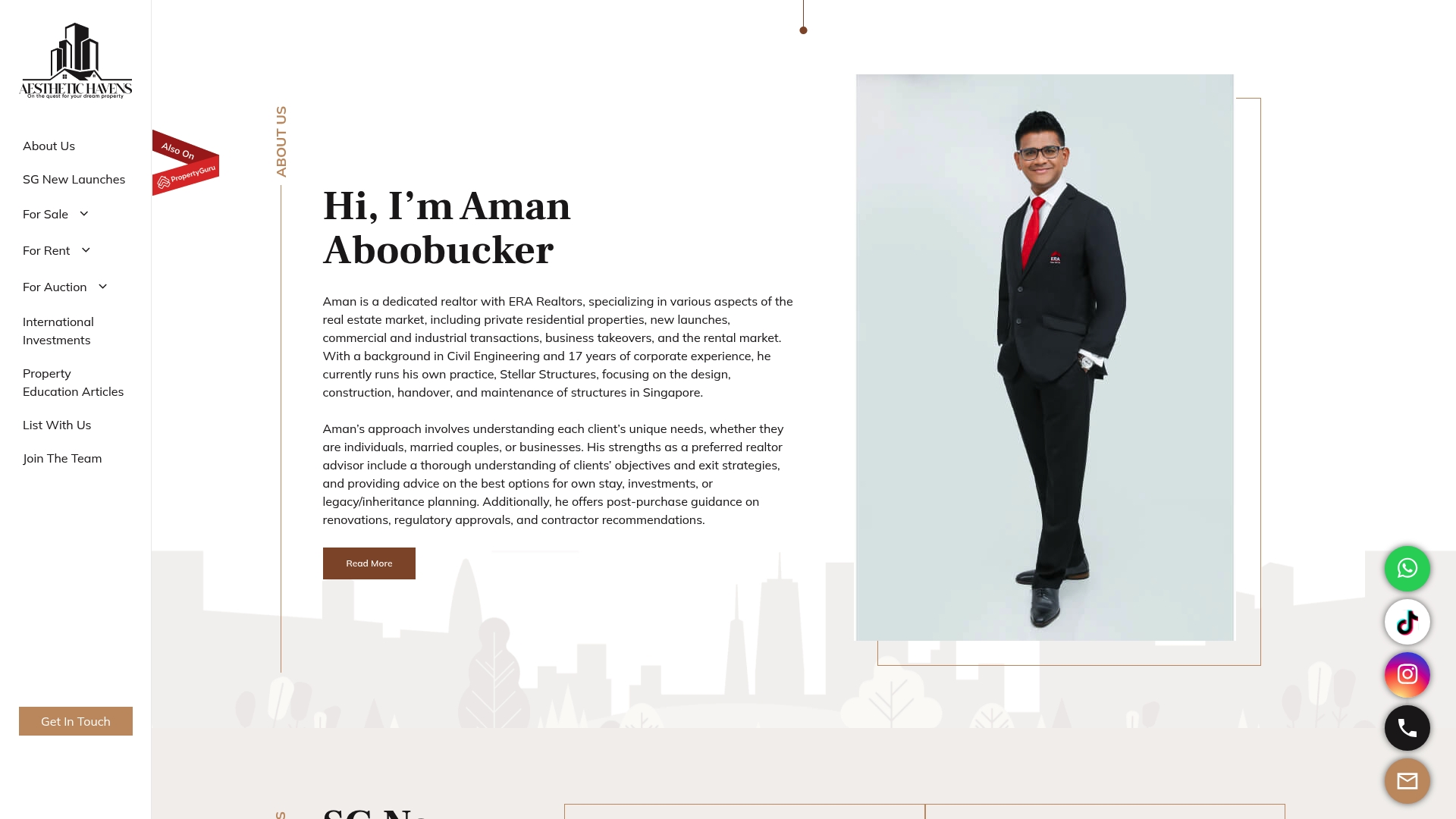
Sell-one-buy-two decisions live at the intersection of tax rules, lending limits, and personal risk tolerance. As a real estate consultant working across Singapore’s residential market, I’ve seen the calculation go wrong most often when owners run the numbers once, at a single optimistic rate, and stop there. DIY modelling works fine for a first pass. Where I typically get involved is running the ABSD remission timeline against a specific completion date, checking CPF refund estimates against actual statements, and stress-testing the plan across rate and vacancy scenarios a spreadsheet alone tends to skip.
— Aman
How to Model This Before You Commit
A practical alternative to guessing at spreadsheet formulas or relying on an agent’s verbal estimate of your net proceeds is to run feasibility reviews that check your CPF refund exposure, confirm ABSD remission timing against your actual transaction dates, and map out a sequencing plan for sell-first or buy-first based on your specific numbers, not generic assumptions.
A consultation typically covers a worksheet showing your realistic net sale proceeds, a duty risk check across ABSD, SSD, and BSD, and a sequencing plan that flags your six-month remission deadline before it becomes a problem with insights from the JB Property Group — developer group listing. If you’re already narrowing down which unit to buy with the second half of your proceeds, our guide on selecting an investment property for maximum returns pairs well with a feasibility session.
Bring your CPF withdrawal statement, current loan statement, and both payslips, and request a consult to get your specific numbers modelled before you make an offer on anything.
Sources
- HDB — Acquiring a private property
- IRAS — Additional Buyer’s Stamp Duty (ABSD)
- CPF — CPF refund when selling or transferring property


