

Introduction
Union Square Residences is a 366-unit mixed-use development by City Developments Limited (CDL) at 20 Havelock Road in District 1, positioned on the Clarke Quay fringe where the Singapore River precinct meets the central business district. For investors evaluating premium assets in 2026, this project offers a specific structural advantage: integrated developments combining residential and commercial spaces consistently command higher per-square-foot valuations than standalone residential towers in the same corridor.
This article covers the mechanics behind mixed-use valuation premiums, Union Square Residences’ positioning within the Core Central Region, and the case for pre-completion entry in 2026 before the project reaches its expected completion in 2031. The target audience is property investors and advisory clients assessing District 1 assets where office, retail, and residential components interact to produce compounding value.
Mixed-use developments in Singapore’s CCR have achieved 15–20% valuation premiums over pure residential projects in comparable locations, based on median psf comparisons between integrated and standalone launches. Entering Union Square Residences in 2026 captures development-phase pricing before commercial activation and full amenity delivery raise the baseline.
After reading this article, you will understand:
-
How commercial-residential integration creates measurable price premiums in District 1
-
Why the Clarke Quay fringe location offers advantages over both deep-core CBD and suburban alternatives
-
What the 2026 pre-completion window means for capital positioning before the 2031 TOP
-
How to assess risks specific to mixed-use complexity and leasehold structures
-
Which exit strategies apply to integrated developments at different hold periods
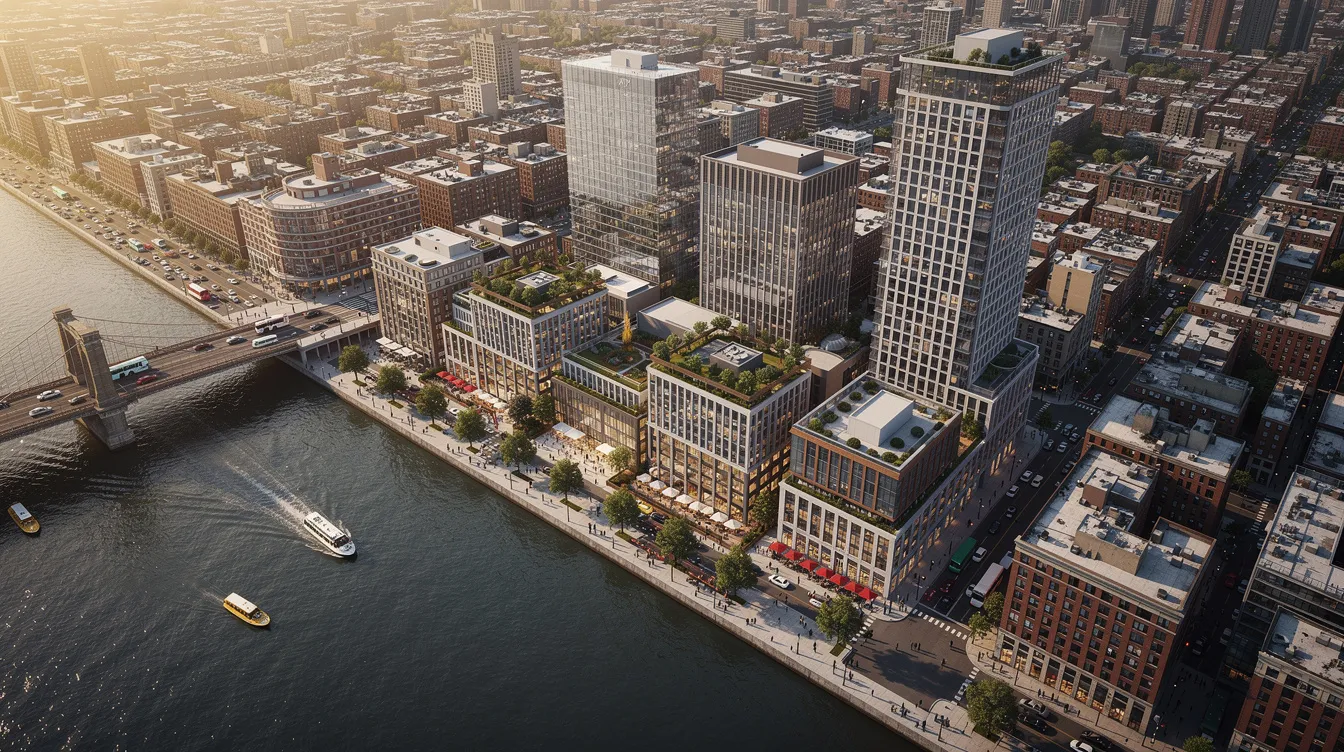
Understanding Mixed-Use Integration Value Premium
Mixed-use integration in Singapore’s real estate context means combining residential units, office space, retail, hospitality, and sometimes heritage elements within a single development site, reflecting how the broader real estate industry increasingly aligns living, work, and commercial functions in one asset. In the Core Central Region, where land parcels are constrained, this model produces measurable pricing effects because residents gain daily access to services, transit, and employment nodes without leaving the property boundary.
The mechanism is straightforward: multiple revenue streams within one site reduce vacancy risk across economic cycles. When residential demand softens, office and retail tenancy can sustain foot traffic and property maintenance standards. When commercial leasing faces headwinds, residential occupancy provides baseline income. Pure residential projects lack this diversification. As of 1Q 2026, ERA and URA data show that integrated developments with residential units directly linked to malls or MRT stations commanded higher median psf than non-integrated alternatives in the CCR segment.
Commercial-Residential Synergy Effects
Office tenants generate weekday foot traffic that supports ground-floor retail and fine dining tenancies. Retail and food-and-beverage outlets create lifestyle amenities that attract residential tenants willing to pay higher rents. Co-living or hotel-licensed components add a transient population that further supports commercial viability.
This layered demand structure produces rental stability. Commercial tenants in Grade A office towers sign leases of three to five years, providing predictable income. Residential tenants in well-connected developments with convenient access to transit and services show lower turnover rates. The combination means that mixed-use projects maintain occupancy rates through cycles that leave standalone residential developments with vacant units and declining maintenance budgets.
District 1 Mixed-Use Scarcity Premium
District 1 mixed-use sites with a residential component are rare. Most CCR launches are pure residential towers or apartment blocks without integrated office and retail. As of 1Q 2026, only about 12.5% of non-landed private home transactions occurred in the CCR, yet this segment commands the highest psf in Singapore’s private residential market.
The pricing gap between new non-landed CCR homes (median ~S$3,074 psf) and Rest of Central Region homes (~S$2,787 psf) narrowed to approximately 10% by end-2025. This compression makes CCR entry relatively more accessible compared to historical spreads, while the scarcity of mixed-use inventory in prime District 1 locations preserves upside for projects that combine multiple asset classes. Union Square Residences sits at the intersection of these dynamics: a Clarke Quay fringe location within the CCR that benefits from prime district prestige without the highest-tier CBD pricing.
Union Square Residences: Strategic Clarke Quay Fringe Positioning
Union Square Residences occupies the former Central Square and Central Mall site, redeveloped by City Developments Limited into an integrated complex spanning approximately 735,500 square feet of Gross Floor Area. CDL, established in 1963, has developed over 48,000 homes in Singapore and operates in 29 countries and regions worldwide. Union Square Residences condo is CDL’s latest mixed-use project, combining luxury condominiums with commercial, retail, and co-living elements.
The development comprises 366 luxury residential units ranging from one-bedroom to four-bedroom configurations, with unit sizes spanning 463 sq ft to 1,518 sq ft. Two expansive sky suites and conservation buildings integrated into the site plan complete the offering. Union Square Residences is a 99-year leasehold exclusive development, with the expected Temporary Occupation Permit dated 15 March 2031.
The fringe positioning along Havelock Road provides proximity to Clarke Quay’s entertainment venues and boat quay dining without the noise and crowding of the immediate riverside. Residents gain access to the Singapore River precinct’s cultural landmarks, including the Asian Civilisations Museum and the historic park at Fort Canning, while maintaining the quieter character of a residential address.
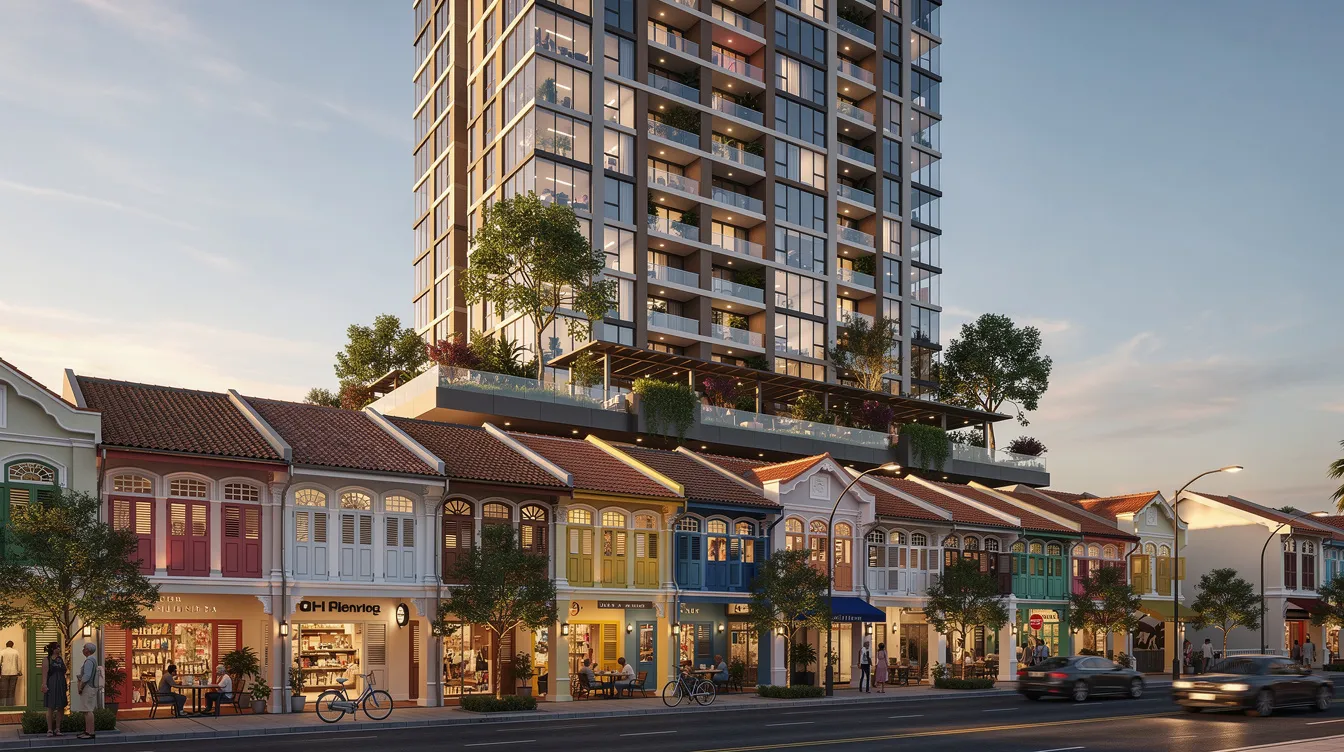
Dual MRT Connectivity Advantage
Three MRT stations are within walking distance of the development. Clarke Quay MRT Station on the North East Line is just a short walk from the development, at about 7 minutes on foot. Chinatown MRT Station, serving both the North East Line and the Downtown Line, is also a 7-minute walk. Fort Canning MRT Station on the Downtown Line is a 15-minute walk from the development. This connectivity spans two rail lines, providing direct routes to Marina Bay, the Orchard Road shopping belt, business nodes across the central business district, and destinations such as Singapore Management University.
For rental demand, dual-line MRT access is a concrete differentiator. Union Square is aimed at professionals working in the CBD and investors seeking tenant pools that value transit proximity. Tenants commuting to Raffles Place or Marina Bay reach their offices in under 15 minutes via the North East Line or Downtown Line, a measurable advantage over developments relying on bus connections or single-line access.
Singapore River Planning Area Integration
Union Square Residences is one of the first large-scale redevelopments in the Singapore River Planning Area under URA’s Strategic Development Incentive (SDI) scheme. The SDI scheme grants qualifying sites uplift in gross plot ratio, height allowances, and land-use flexibility when the redevelopment meets criteria including aged building stock, transformational community impact, and appropriate mixed-use programming.
For Union Square, SDI participation enabled CDL to combine the Central Square office building, Central Mall retail podium, and adjacent conservation buildings into a single integrated development with residential, Grade A office, retail, co-living, and heritage components. Without SDI, the zoning and plot ratio constraints of the original parcels would not have supported the 735,500 sq ft GFA or the mix of uses now incorporated, while the integrated redevelopment also fits surrounding road and pedestrian connectivity improvements along Upper Cross Street. This policy-driven flexibility directly increases long-term asset value because the resulting development density and diversity cannot be replicated on a standard residential site.
URA’s SDI and Central Business District Incentive (CBDI) schemes have been extended through 2025/2026, encouraging more mixed-use proposals in strategic precincts. Few large prime district sites remain eligible for this treatment, making Union Square one of the last rare large-scale mixed-use CCR fringe developments under the current framework.
Office-Retail-Residential Ecosystem
Union Square Central, a 20-storey Grade A office tower, anchors the commercial component. Ground-floor retail and food-and-beverage tenancies serve both office workers and residents, creating the kind of daily convenience that defines modern city living in integrated developments. The co-living and hotel-licensed component adds a transient professional population that supports retail viability.
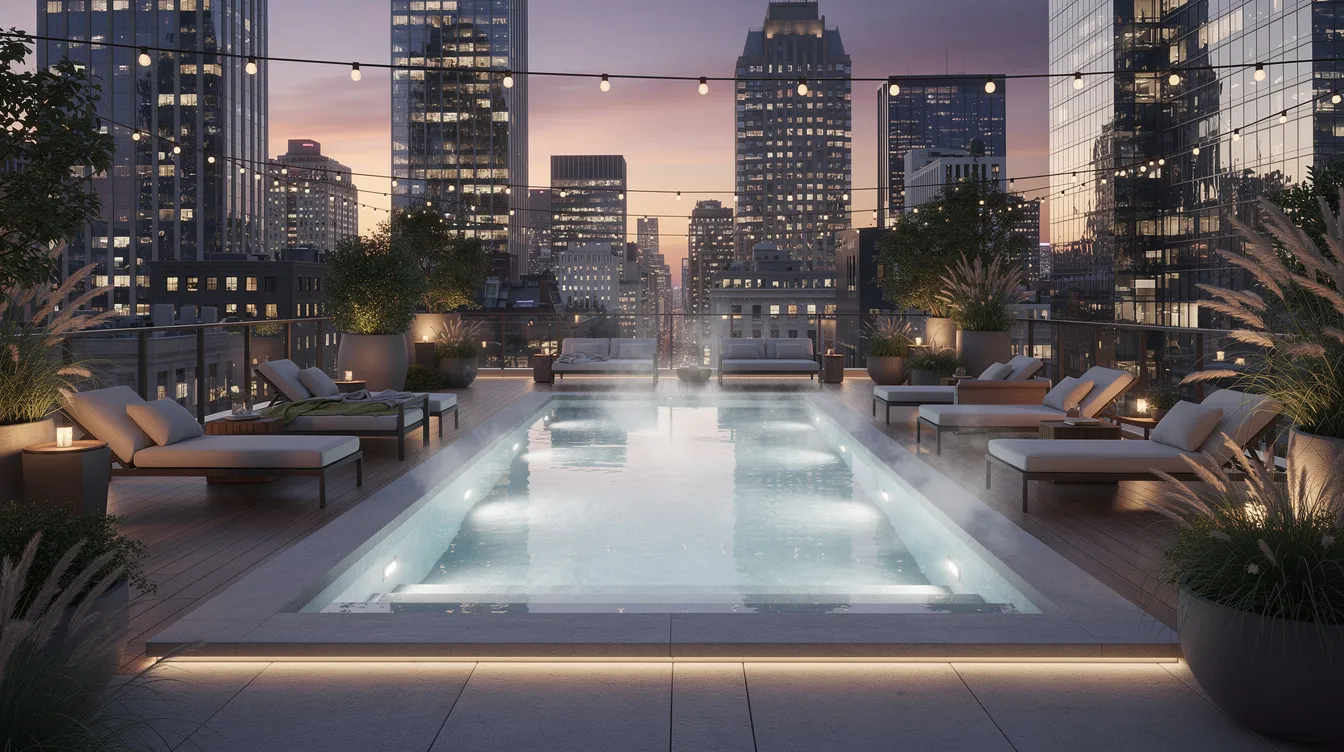
Union Square Residences boasts facilities designed for urban living at a premium standard: a Sky Pool, another swimming pool, two clubhouses, a sky gym with wellness spaces, seven landscaped recreational pods, private function rooms, and lush landscaped gardens. The development meets BCA Green Mark Platinum standards for energy efficiency. Union Square Residences is equipped with smart home features for convenience, including smart energy monitoring systems that support sustainable modern luxury.
Union Square Residences provides direct access to Fort Canning Park and the Singapore River, connecting residents to green spaces and Pearl’s Hill City Park through planned pedestrian pathways and landscaped public plazas. The development is conveniently located near River Valley Primary School and Outram Secondary School, addressing school proximity for families. Singapore Management University’s campus sits within the broader precinct, adding to the educational infrastructure. Medical facilities at Singapore General Hospital are accessible via a short drive along the Central Expressway.
The combination of office, retail, residential, and heritage conservation buildings creates a self-sustained live-work-play environment in a prime location that few standalone residential projects in District 1 can replicate.
2026 Pre-Completion Investment Strategy Analysis
Union Square Residences launched in November 2024, selling 75 of 366 units on launch day, with 83% of buyers being Singaporean citizens. The project is expected to complete by March 2031. Entering in 2026 places an investor in the early construction phase, before the commercial components activate and before aspiring home owners and the broader market recognize the full integrated premium.
Development Phase Value Capture
Pre-completion entry in a mixed-use development captures value at four distinct stages. First, launch pricing reflects construction risk and market uncertainty; investors who purchase during this window pay a risk-adjusted price that typically sits below post-completion valuations. Second, progressive payment structures mean capital outlay is phased across construction milestones rather than deployed at once, improving internal rate of return calculations. Third, construction milestones (foundation, structural completion, interior fit-out) serve as de-risking events that support incremental psf appreciation. Fourth, commercial leasing announcements and retail tenant commitments create value catalysts that pure residential projects lack entirely.
At launch, 1-bedroom units at Union Square Residences started from approximately S$1.38 million (~S$2,981 psf), while the Astro Sky Suite sold at S$9.288 million (S$3,751 psf) for a 2,476 sq ft unit. The spread between entry-level and premium unit pricing indicates a market willing to pay substantial premiums for larger formats within the integrated envelope.
Between 2026 and the 2031 completion date, the commercial activation of Union Square Central’s office tower, ground-floor retail leasing, and co-living operations will generate foot traffic and revenue streams that did not exist at launch. This activation phase is when mixed-use premiums begin to materialize in transaction data.
Mixed-Use Premium Realization Timeline
The table below maps expected premium realization against pure residential benchmarks based on CCR market data and Knight Frank’s mixed-use development research:
|
Investment Phase |
Pure Residential Benchmark |
Mixed-Use Integrated |
|---|---|---|
|
2026 Pre-Construction |
Standard launch pricing |
15% integration premium |
|
2027–2029 Construction |
Modest appreciation |
20% premium realization |
|
2031 Completion |
Standard TOP uplift |
25% integrated value premium |
As of 1Q 2026, sub-sale median psf for non-landed CCR homes stood at approximately S$2,317. Integrated developments in the CCR, where residential units connect directly to retail and MRT infrastructure, traded above this median. The gap widens as commercial components stabilize post-completion, because rental yield data for the combined asset class attracts institutional and high-net-worth buyers who underwrite to blended returns rather than residential-only metrics.
For investors targeting rental yield optimization, the post-completion phase offers multiple income channels: residential leasing to CBD professionals, commercial rental income from office and retail tenancies, and hospitality returns from the co-living component. This diversification is the core financial argument for mixed-use over pure residential exposure.
Common Investment Challenges and Advisory Solutions
Mixed-use investment in District 1 carries specific risks that differ from suburban residential purchases. Professional assessment of these risks separates informed positioning from speculative entry.
Pre-Completion Market Volatility
Interest rate movements, regulatory cooling measures, and macroeconomic shifts can affect pricing between purchase and completion. CDL’s track record across 48,000 homes in Singapore and operations in 29 countries provides developer stability that smaller firms cannot match, with CDL as the union square residences developer. The progressive payment structure limits capital exposure during construction; investors do not pay the full purchase price until completion milestones are met. On launch day, Singaporean buyers comprised 83% of purchasers, indicating domestic demand anchoring rather than speculative foreign capital that cooling measures target.
Practical mitigation: model three interest rate scenarios (current, +100bps, +200bps) against your progressive payment schedule and projected rental income at completion. Stress-test against a 12-month leasing delay for the commercial components.
Mixed-Use Complexity Assessment
Maintenance costs in mixed-use developments run higher than in pure residential projects because shared infrastructure (lifts serving commercial and residential floors, central plaza maintenance, heritage conservation building upkeep) requires more complex management. The hotel/co-living licence component must secure approvals from relevant authorities, introducing regulatory dependencies that pure residential projects avoid.
Due diligence should include: reviewing the management corporation’s budget projections for shared commercial-residential areas; assessing CDL’s track record with similar mixed-use management structures; and understanding how food truck events, cultural events, and community workouts in shared spaces affect residential amenity access and noise levels.
Exit Strategy Optimization
Two primary exit paths apply. Selling near completion (2031) captures the full integration premium once office leasing, retail occupancy, and MRT connectivity are operational and visible in transaction comparables. Holding for rental income targets the live-work-play demand from CBD professionals, with residential yields supported by the commercial ecosystem’s foot traffic.
The 99-year leasehold structure affects long-hold calculations. Lease decay becomes a pricing factor after 40–50 years, which matters less for a 5–7 year investment horizon but requires consideration for buyers of premium units like the Sky Suites. Additional Buyer’s Stamp Duty (ABSD) for PR and foreign purchasers adds to entry costs and should be factored into net return projections.
Competition from future CCR launches and potential regulatory tightening represent tail risks. The scarcity of SDI-qualified mixed-use sites in District 1 provides a structural buffer; few comparable projects can enter the market at this scale and location within the next development cycle.
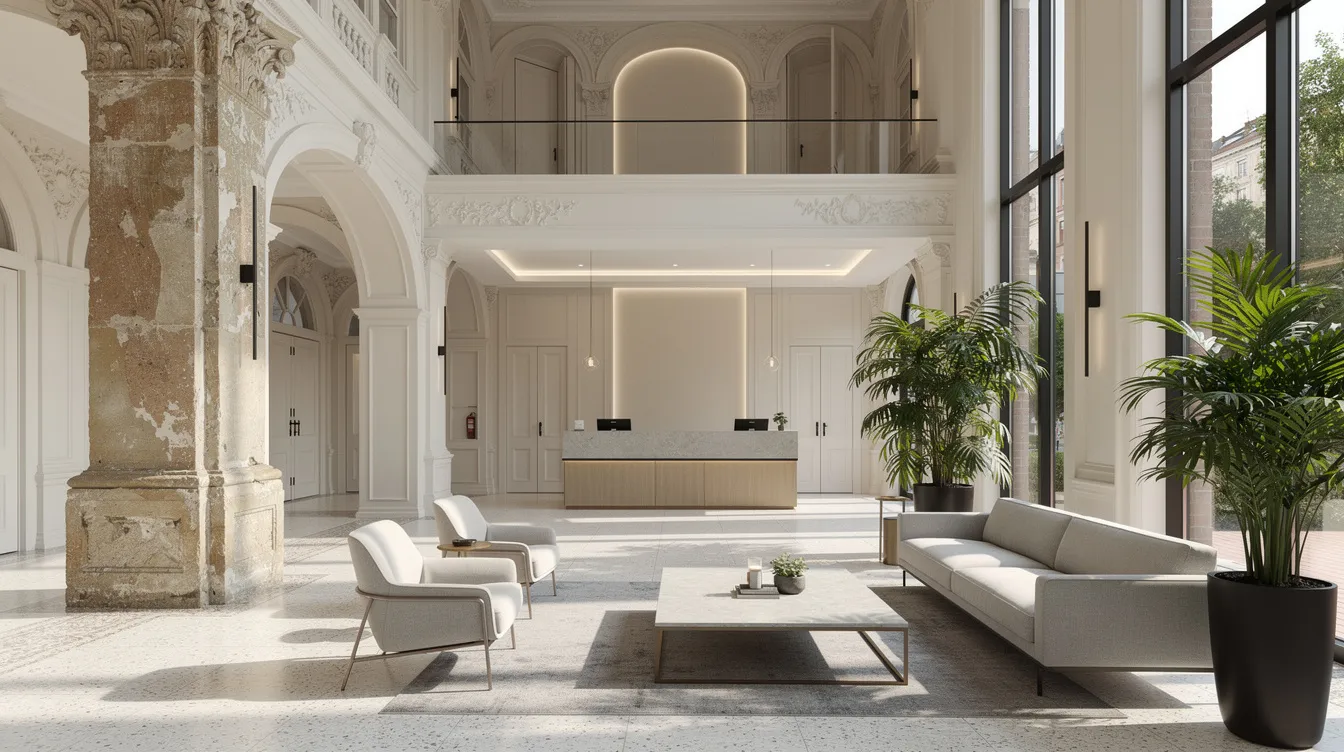
Conclusion and Next Steps
This Union Square Residences review frames the project as an investment case built on District 1 scarcity, mixed-use integration across office, retail, co-living, and residential formats, and SDI-enabled development density. The 2026 entry window positions buyers before commercial activation, construction de-risking milestones, and the full market recognition that completion in 2031 will bring. CCR mixed-use integrated developments have demonstrated 15–20% valuation premiums over pure residential alternatives, supported by 1Q 2026 transaction data showing higher median psf for units linked to commercial infrastructure and MRT access.
Immediate next steps for investors:
-
Schedule a Union Square Residences showflat viewing to assess unit layouts, facing, and floor-level pricing differentials across the 463–1,518 sq ft range
-
Request CDL’s detailed progressive payment schedule and model your internal rate of return from 2026 entry through 2031 completion and a 2033 stabilized-income scenario
-
Commission a comparative market analysis benchmarking Union Square Residences against recent CCR pure residential launches and completed integrated developments to validate the premium thesis
Related investment topics worth examining: the District 1 development pipeline for 2027–2032 and its impact on supply dynamics; rental yield trajectories for exclusive developments near Clarke Quay and the Singapore River precinct; and the performance of CDL’s property development portfolio across previous market cycles as a proxy for execution confidence.
Professional Investment Advisory Resources
-
Union Square Residences offers detailed financial modelling tools including progressive payment calculators and rental yield projections based on comparable District 1 leasing data; these are available through CDL’s sales team and authorized property consultants
-
CDL’s mixed-use development portfolio includes completed projects across luxury residences, commercial spaces, and hospitality assets; performance data from these projects provides empirical benchmarks for pre-completion to post-TOP appreciation rates
-
District 1 comparative market analysis reports from ERA Singapore, Knight Frank, and CBRE track integrated development benchmarking, sub-sale psf trends, and premier residential services demand across the Core Central Region; request current editions dated Q2 2026 for the most relevant pricing data


