


The Singapore property market continues to simmer, with prices rising by 8% in the past year, a crucial factor to consider for aspiring homeowners is the Loan-to-Value (LTV) ratio, which can be thought of as the anchor that holds the ship of homeownership steady, preventing it from being swept away by the turbulent tides of debt.
But what exactly is this mystical ratio, and how does it impact the dream of owning a home in Singapore?
With the Total Debt Servicing Ratio (TDSR) and Mortgage Servicing Ratio (MSR) also in play, navigating the residential property landscape can be as daunting as trying to find a needle in a haystack.
The LTV ratio is essentially a measure of the percentage of a property’s purchase price that a lender is willing to finance, with the remaining amount to be paid in cash or via a down payment.
In Singapore, the LTV ratio plays a significant role in determining the amount of loan that can be taken out for a residential property purchase.
Calculating Loan-to-Value Ratio for Residential Properties in Singapore
The Loan-to-Value (LTV) ratio is a crucial factor for homeowners and investors in Singapore, determining the amount of loan they can secure from banks and financial institutions.
To calculate the LTV ratio, one needs to understand the relationship between the loan amount and the property’s value.
The LTV ratio is calculated by dividing the loan amount by the property’s value, expressed as a percentage.
As the LTV ratio rises, so does the risk of default, leaving homeowners and investors teetering on the edge of financial disaster.
- The higher the LTV ratio, the larger the loan amount borrowed from the bank.
- Lower LTV ratios often result in better interest rates and more favorable loan terms.
- Borrowers with excellent credit scores may be eligible for higher LTV ratios, up to 80% in some cases.
Understanding HDB Concessionary Loan LTV Limits and Eligibility Criteria

As one plans to purchase their dream HDB flat in Singapore, they are likely considering financing options, and the HDB concessionary loan is a viable choice.
One might be wondering about the loan-to-value (LTV) limits and eligibility criteria that apply to this loan.
With so many factors to consider, it’s essential to understand the specifics to make an informed decision.
The HDB concessionary loan offers a higher LTV limit of 90% of the purchase price, allowing one to borrow more and pay less upfront.
However, this loan is subject to certain eligibility criteria, including income ceilings and citizenship requirements.
Maximum Loan Amount for Bank Loans with 75% LTV Limit and 5% Cash Payment
Consider the case of a first-time homebuyer in Singapore, who is looking to purchase a $1 million condominium with a 75% loan-to-value (LTV) limit and a 5% cash payment.
They need to determine the maximum loan amount they can borrow from the bank to finance their dream home.
With a 75% LTV limit, they can borrow up to $750,000, which is 75% of the property’s purchase price.
This means they will need to pay the remaining 25% ($250,000) upfront, with at least 5% ($50,000) in cash.
To calculate the maximum loan amount, they can use a simple formula: Maximum Loan Amount = Property Price x LTV Limit.
How Additional Properties Affect Eligible Loan-to-Value Ratio in Singapore
In the complex landscape of Singapore’s property market, the loan-to-value (LTV) ratio is a crucial determinant of how much a buyer can borrow from a bank or financial institution to purchase a property, and additional properties can significantly impact this ratio.
The LTV ratio is calculated by dividing the loan amount by the property’s purchase price, and in Singapore, the maximum LTV ratio for a first housing loan is 75% for a HDB flat and 75% for a private property, but this ratio decreases with each subsequent property purchase.
For instance, for a second housing loan, the LTV ratio is 45%, and for a third or subsequent housing loan, it is 35%, illustrating the diminishing borrowing power with each additional property.
Impact of Poor Credit Scores on Loan-to-Value Ratio for Residential Loans
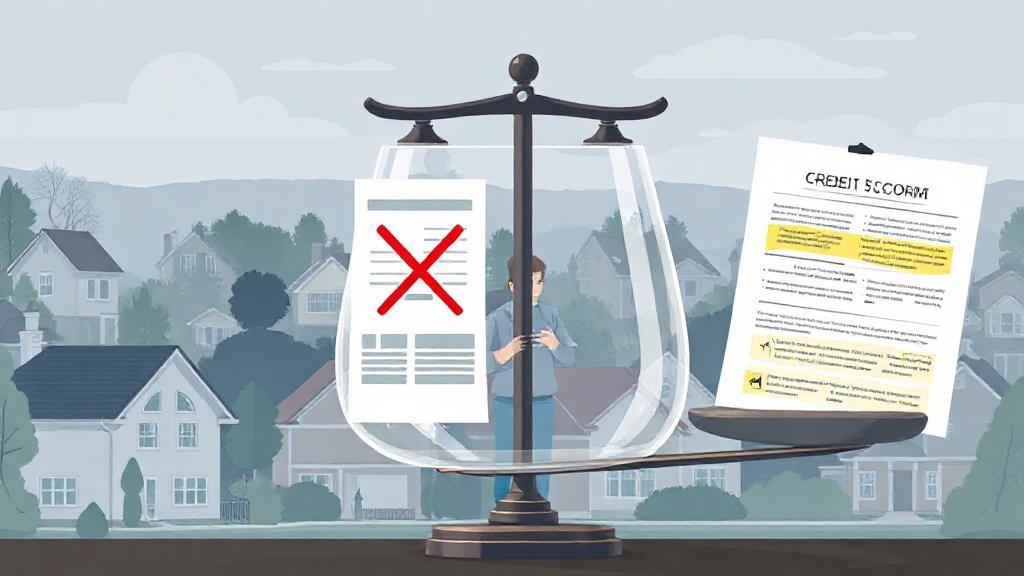
When it comes to securing a residential loan, a poor credit score can have significant implications on the loan-to-value (LTV) ratio, which is the percentage of the property’s value that the lender is willing to lend.
A low credit score can lead to a lower LTV ratio, resulting in a larger down payment required from the borrower.
This can be a major obstacle for individuals with poor credit, as they may not have the necessary funds for a substantial down payment.
Furthermore, a lower LTV ratio can also increase the overall cost of the loan, as the borrower will need to pay private mortgage insurance (PMI) premiums.
Meeting the 55% Total Debt Servicing Ratio Requirement for Loan Eligibility
To qualify for a loan in Singapore, borrowers must meet the 55% Total Debt Servicing Ratio (TDSR) requirement.
- Calculate monthly debt repayments, including credit cards, loans, and mortgages
- Gather financial documents, such as income statements and debt records
- Determine gross income and eligible debt obligations
- Assess credit score and history to ensure loan eligibility
- Adjust debt repayment strategies to meet the 55% TDSR threshold
By carefully managing debt and finances, borrowers can increase their chances of meeting the TDSR requirement and securing a loan.
Strategies to Increase Loan-to-Value Ratio for Residential Properties in Singapore
To boost the loan-to-value ratio: understanding the current market trends is crucial.
A higher loan-to-value ratio can be achieved by making a larger down payment: which can be a significant challenge for many buyers.
The key to a successful application lies in maintaining a good credit score.
Loan-to-value ratio calculations: taking into account the property’s value and the loan amount.
For a residential property in Singapore, the loan-to-value ratio can be increased by exploring different loan options.
In order to get the best deal, buyers should research and compare various loan packages: considering factors such as interest rates and repayment terms.
Comparing Bank Valuations to Secure Higher Loan-to-Value Ratio for Home Loans
Conventional wisdom suggests that all banks offer similar valuations for homes, but this is not always the case.
In reality, bank valuations can vary significantly, affecting the loan-to-value ratio for home loans.
This discrepancy can lead to differences in the amount borrowed.
For instance, some banks may use more conservative valuation methods, resulting in lower valuations and subsequently lower loan amounts.
In contrast, other banks may adopt more flexible approaches, leading to higher valuations and larger loans.
Factors Affecting Loan-to-Value Limits for HDB and Bank Loans in Singapore Market
The loan-to-value (LTV) limits for HDB and bank loans in Singapore are influenced by a multitude of factors, including the type of property, borrower’s creditworthiness, and prevailing market conditions, which can impact the maximum amount of loan that can be borrowed.
Additionally, the Monetary Authority of Singapore (MAS) plays a crucial role in regulating LTV limits to maintain financial stability and prevent overheating in the property market.
The LTV limits can also vary depending on the loan tenure, with longer tenures typically resulting in lower LTV limits, and the borrower’s age, with older borrowers often facing stricter LTV limits.
As a result, borrowers must carefully consider these factors when applying for a loan to ensure they can secure the necessary funding for their property purchase.
The key to securing a loan lies in understanding these factors.
Borrowers must carefully evaluate their financial situation and the prevailing market conditions to determine the optimal loan amount and tenure that suits their needs.
As we navigate the complex landscape of Loan LTV in Singapore for residential purchases, it becomes clear that understanding the intricacies of this financial concept is crucial for making informed decisions.
With the ever-changing regulations and market conditions, it’s essential for individuals to stay adaptable and seek professional advice when needed.
Looking ahead, as the Singaporean property market continues to evolve, one can’t help but wonder how Loan LTV ratios will be impacted by future policy changes, and how this will affect the dreams of homeownership for many.
Ultimately, the delicate balance between loan accessibility and financial prudence will remain a critical factor in shaping the residential purchase landscape in Singapore, leaving us to ponder the implications of this balance on the future of homeownership.
As the city-state’s property market looks to the future, the interplay between Loan LTV and residential purchases will undoubtedly remain a pivotal consideration for many Singaporeans.


