

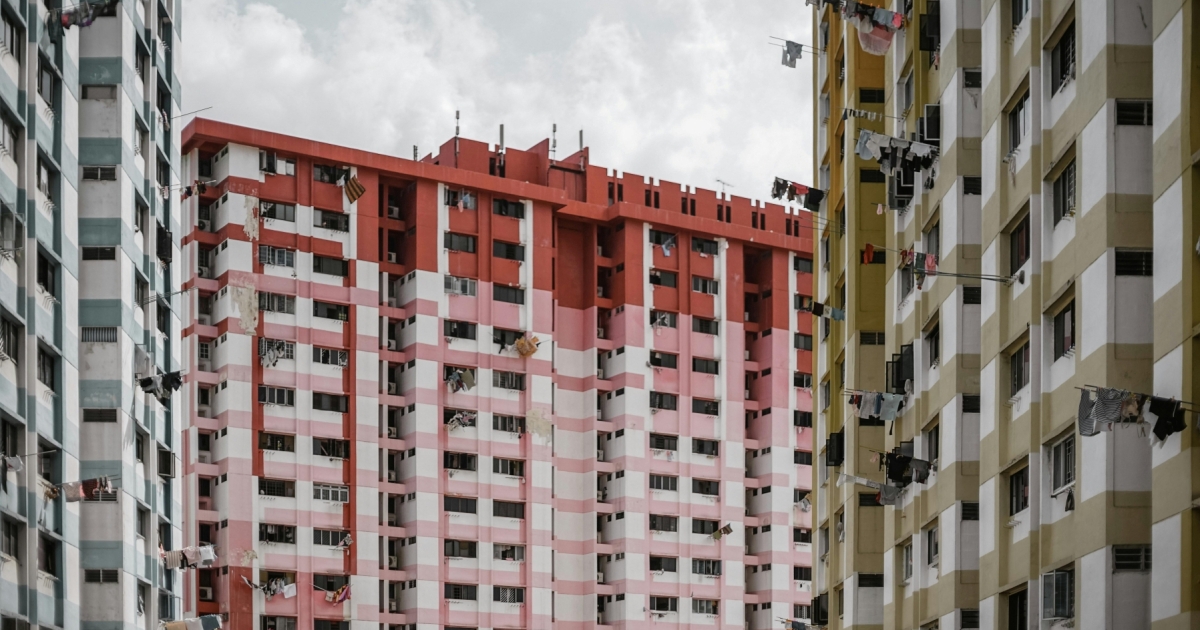
Executive Summary: 2025 Snapshot of Singapore’s Rental Landscape
The trends
The Singapore rental market in 2025 is characterized by a nuanced shift towards stabilization, following a period of significant volatility in previous years. Both the private residential and Housing & Development Board (HDB) sectors are anticipated to experience modest rental growth, albeit with varying paces and regional differences.
This moderation in growth, rather than a sharp decline, is primarily driven by a critical interplay of constrained housing supply and persistent, albeit evolving, demand.
A defining feature of the 2025 landscape is the notable reduction in new private residential completions, coupled with a projected decade-low number of HDB flats reaching their Minimum Occupation Period (MOP).
This supply constriction is a powerful force underpinning rental price resilience. Concurrently, rental demand remains robust, fueled by a combination of local factors, such as delays in Build-to-Order (BTO) projects and a growing preference for independent living among younger Singaporeans, and the continued, though moderated, influx of expatriate professionals.
However, potential macroeconomic uncertainties and the nascent impact of Artificial Intelligence (AI) on white-collar employment introduce elements of caution into demand projections.
Government policies continue to play a pivotal role in shaping market dynamics. Adjustments to property tax rates for non-owner-occupied properties, while designed to curb speculation, contribute to landlords’ operational costs, influencing their rental pricing strategies.
Ongoing Government Land Sales (GLS) programs and increased public housing initiatives demonstrate a long-term commitment to housing supply, but their immediate effect on the 2025 rental market is limited due to construction lead times.
For landlords, 2025 presents opportunities to capitalize on the tightening supply, especially in well-located and suburban areas, and to enhance property value through strategic upgrades that align with evolving tenant preferences. The challenges, however, include managing the rising costs of ownership and adapting to a more discerning tenant base.
For tenants, the market offers a more predictable environment compared to the aggressive rental hikes of recent years, but sustained high rents, particularly in desirable locations, and intense competition for quality units remain significant hurdles. Understanding the intricate balance of these forces is paramount for all stakeholders navigating Singapore’s dynamic rental future.
I. Introduction: Setting the Stage for Singapore’s 2025 Rental Market
Singapore’s real estate sector operates within a unique framework, distinct from many global markets. Its compact geographical footprint, coupled with a high population density, necessitates a meticulously planned and heavily regulated approach to housing.
A cornerstone of this approach is the pervasive influence of government policies, most notably through the Housing & Development Board (HDB), which provides affordable public housing to the vast majority of the population. This creates a dual-market structure where public and private housing segments are intricately linked, yet governed by distinct rules and demand-supply dynamics.
The overall Singapore real estate market is poised for steady expansion, with projections indicating a market size of USD 64.04 billion by 2029 and the property index reaching approximately 228 points in 2025.1 This broader growth trajectory provides a stable backdrop for the rental sector, reinforcing its long-term viability and attractiveness as an investment avenue.
This comprehensive report is meticulously crafted to provide an in-depth, data-driven analysis of the Singapore rental market specifically for the year 2025. The primary objective is to equip landlords with precise, actionable insights and strategic recommendations.
These insights aim to empower them to maximize their returns on investment, navigate the anticipated challenges with foresight, and adapt their portfolios to prevailing market conditions.
Concurrently, the report serves as an indispensable resource for tenants, offering essential knowledge to secure suitable housing options, understand their legal rights and responsibilities, and make well-informed decisions in what remains a competitive, albeit stabilizing, rental landscape.
The analysis delves into current and projected rental yields, dissects the intricate supply-demand dynamics shaping the market, and examines the multifaceted impact of government policies and regulatory changes, providing a holistic view of the forces at play.
II. Rental Market Performance in 2025: A Deep Dive into Trends
A. Overall Market Dynamics: Stabilization and Modest Growth
The Singapore rental market, after a period characterized by significant volatility and rapid price escalations in recent years, is exhibiting clear indications of stabilization in 2025. This transition marks a shift towards a trend of more modest rental growth across both the private residential and HDB sectors.
In the first quarter of 2025, overall private rents experienced a marginal increase of 0.4%, following a period of stability in the preceding quarter.2 This slight uptick suggests a gradual recovery and a market finding its footing.
Industry experts offer a range of projections for the full year. OrangeTee & Tie, for instance, forecasts an overall private rental increase of between 2% and 4% for 2025.2 Similarly, ERA maintains a cautiously optimistic outlook, anticipating a marginal year-on-year increase of 0% to 3%.6 However, Savills presents a more conservative projection, suggesting that private residential rents may remain flat in 2025.3
This variation in expert forecasts underscores the nuanced and somewhat uncertain nature of the market outlook for the year, indicating that 2025 will likely be a year of cautious recovery and adjustment rather than one of aggressive growth or sharp decline. For landlords, this implies managing expectations regarding potential rental increments and prioritizing stability.
For tenants, it suggests that while rents may not experience drastic reductions, the steep, unsustainable increases observed in preceding years are likely to abate, leading to a more predictable, albeit still elevated, rental environment.
The HDB rental market is also projected to experience modest growth, with an anticipated increase of 2% to 4% in 2025.5 ERA’s forecast for HDB rents is slightly higher, predicting a 2% to 5% year-on-year rise.7 While there was a slight monthly dip of 0.1% in HDB rents in May 2025, they still registered a robust 3.2% increase year-on-year compared to May 2024.10
This indicates that short-term monthly fluctuations are occurring within a broader, underlying upward trend, reflecting the sustained underlying demand.
In terms of rental volumes, the private non-landed segment saw a 3.2% increase in Q1 2025, reversing a previous quarter-on-quarter decline.2 ERA projects private home rental contracts to remain stable within the range of 80,000 to 90,000 units for 2025.7
In the HDB segment, rental volumes decreased by 10.2% month-on-month in May, but remained consistent compared to May 2024.10 HDB rental volumes are expected to be lower for the full year, ranging from 34,000 to 36,000 units.7 This reflects a tighter supply in the public housing rental sector.
B. Private Residential Rental Market: Performance and Projections
The Urban Redevelopment Authority (URA) rental index indicates that private rents, excluding Executive Condominiums (ECs), rose by 0.4% in Q1 2025.2 This modest increase was observed across both non-landed and landed properties, with landed rental prices growing by 0.3% (reversing a 1.8% decline in Q4 2024) and non-landed rental prices rising by 0.5%.2
This broad-based, albeit modest, recovery suggests that demand is beginning to outstrip supply in some locations, particularly as projected completions for 2025 are substantially lower than in previous years.2
By market segment, condo rental prices posted marginal quarter-on-quarter gains across all regions in Q1 2025. Rents in the Core Central Region (CCR) and Rest of Central Region (RCR) both climbed by 0.4%, while the suburban Outside Central Region (OCR) saw a stronger increase of 0.7%, reversing a drop from Q4 2024.2
This upward movement across all market segments, even if slight, reinforces the notion that the market is finding a new equilibrium after a period of adjustment.
The private residential rental market is widely expected to continue its gradual recovery throughout 2025.5 This recovery is largely anticipated to be driven by improving macroeconomic conditions, sustained employment growth, and a constrained rental inventory.5 The rental price recovery is projected to result in an increase of 2% to 4% for the year.5
However, some analyses, such as that by Savills, suggest that private residential rents may remain flat in 2025, citing factors like reduced new completions and the impact of higher property taxes on landlords’ willingness to lower rents.3 The consistent articulation from various sources that the private rental market has “bottomed out” or is showing clear signs of stabilization after a prolonged period of decline is a significant market signal. This is not merely a factual observation; it represents a pivotal shift in market sentiment and underlying economic forces.
The Core Central Region (CCR) and Rest of Central Region (RCR) experienced modest gains, while the Outside Central Region (OCR) showed a stronger rebound, indicating that the tightening supply within these regions will be more significant.2 This turnaround is attributed to improving macroeconomic conditions, sustained employment growth, and, critically, a constrained rental inventory due to fewer new completions.5
The Q1 2025 uptick in rental indices serves as empirical validation of this trend.2 For landlords, this signals a potential end to significant rental depreciation and a return to, at minimum, modest growth, thereby improving investor confidence and potentially encouraging new investments.
For tenants, it signifies a reduction in the significant bargaining power they might have enjoyed during the market downturns of previous years. While sharp rental spikes are unlikely, tenants should anticipate more predictable, albeit upward, adjustments in rental rates compared to the volatile fluctuations seen previously.
C. HDB Rental Market: Trends Across Flat Types and Estates
The HDB rental market continued its upward trajectory on a year-on-year basis, with overall HDB rental prices rising by 3.2% in May 2025 compared to May 2024.10 Mature estates demonstrated stronger year-on-year growth (+4.3%) than non-mature estates (+1.7%).10
In terms of flat types, 5-room and Executive flats experienced monthly rental increases of 0.5% and 0.3% respectively in May 2025, while 3-room and 4-room flats saw slight declines of 0.3% each.10
However, when viewed year-on-year, all flat types recorded rental increases, with 3-room flats leading the gains at 4.5%.10 This indicates that short-term monthly fluctuations are occurring within a broader, underlying upward trend.
Throughout 2024, HDB rental prices exhibited sustained growth, primarily driven by high demand coupled with limited immediate supply.10 The pace of rental increases, however, began to slow towards the end of 2024 as more flats entered the market and the influence of government cooling measures became more apparent.10
Looking ahead, the HDB rental market in 2025 is broadly expected to stabilize, moving towards a more balanced demand-supply equation.10 While the introduction of new Build-to-Order (BTO) flats and potential economic headwinds may temper the rate of price growth, rental demand is projected to remain robust, particularly in well-connected locations with strong amenities.10
ERA specifically predicts that HDB rents could rise by 2% to 5% year-on-year in 2025.7 The confluence of ongoing delays in Build-to-Order (BTO) projects 11 and the projected decade-low number of HDB flats reaching their Minimum Occupation Period (MOP) in 2025 5 creates a powerful, reinforcing dynamic for sustained HDB rental demand.
Individuals and families who would otherwise be transitioning into their new BTO homes are compelled to extend their rental periods, while simultaneously, a significantly smaller pool of HDB owners are able to rent out their flats. This direct constriction of supply, coupled with prolonged demand, inevitably pushes HDB rental prices upwards.7
This pressure can then “spill over” into the private rental market if the rent gap between the two housing types narrows. The HDB market functions as a crucial “relief valve” for overall rental demand, especially for price-sensitive tenants who might otherwise seek private rentals. A constrained MOP supply means sustained pressure on HDB rents, which can then cause a “spillover effect” into the private market if the rent gap between the two housing types narrows.5
This dynamic highlights the intricate interconnectedness of Singapore’s public and private rental sectors and the significant ripple effects of HDB policies on the broader market. This situation creates a strong tailwind for HDB landlords, enabling them to command firmer rental rates. For price-sensitive tenants, it exacerbates affordability challenges within the HDB sector, potentially forcing them to consider higher-priced private rentals or less desirable locations.
This intricate interplay underscores the profound impact of government housing policies, even those primarily aimed at homeownership, on the broader rental market landscape.
D. Rental Yields: What Investors Can Expect
Singapore’s average gross rental yield is considered modest, standing at approximately 3.29% in 2025 13 and 3.36% in Q3 2025.14 This is notably lower when compared to average yields in other major global cities, such as the US average which is currently 6.68%.13 However, this modesty in yield is often compensated by Singapore’s reputation for long-term market stability and consistent capital appreciation.13
The consistent description of Singapore’s rental yields as “modest” or “low” when compared to international benchmarks 13 is immediately contextualized by the emphasis on “long-term stability and steady capital appreciation”.13 This highlights a fundamental investment philosophy prevalent in Singapore: property is often viewed primarily as a robust store of wealth and a long-term asset for capital gains, rather than a vehicle for generating high immediate income.
This distinction is crucial for understanding investor motivations and market behavior. Investors whose primary objective is high immediate rental income might find Singapore less appealing. Conversely, those who prioritize capital preservation, consistent long-term wealth growth, and market stability will recognize the inherent value proposition.
This investment philosophy also influences landlord behavior, making them potentially less inclined to significantly reduce rents even during periods of softer demand, as their long-term strategy often hinges on future property value appreciation.
Gross rental yields generally average between 3% and 4% across various districts.4 City-fringe (Rest of Central Region – RCR) and suburban (Outside Central Region – OCR) areas typically offer higher yields due to comparatively lower property entry prices. For instance, District 19 (Hougang/Punggol) yields around 3.56% 4, while areas like District 15/16 (East Coast/Bedok) and District 18 (Tampines/Pasir Ris) are attractive to families upgrading from HDBs.4
Prime areas within the Core Central Region (CCR), such as Orchard/River Valley (District 9) and Tanglin/Holland (District 10), tend to exhibit lower yields, typically ranging from 3.0% to 3.2%.4 Districts reporting the highest rental yields in 2025 include District 2 (Anson, Tanjong Pagar, Chinatown) at 4.07%, District 25 (Admiralty, Woodlands) at 3.95%, and District 14 (Eunos, Geylang, Paya Lebar) at 3.83%.13 These areas often benefit from their proximity to central business districts or their development into self-contained towns with comprehensive amenities.
Several key factors influence rental yields, including the specific location and neighborhood, the property type and size, prevailing current market conditions, ongoing management and maintenance costs, and local regulations and taxes.13 It is important for foreign investors to note that non-residents face a 24% tax rate on rental income, which can significantly impact net profitability.13
Table 1: Average Gross Rental Yields by Key Districts (2025)
| District | Region | Avg. Monthly Rent (SGD) | Avg. Price (PSF) | Avg. Gross Rental Yield (%) |
| 1 (Marina / Raffles) | CCR | ~$7,925 (D9/10/11 avg) | >~$3,000 | ~3.1% 4 |
| 2 (Anson / Tanjong Pagar) | CCR | N/A | N/A | 4.07% 13 |
| 9 (Orchard / River Valley) | CCR | S$7,925 16 | S$2,321 16 | 3.0-3.1% 4 |
| 10 (Tanglin / Holland) | RCR | S$8,437.5 16 | S$2,297 16 | 2.7-3.2% 4 |
| 11 (Novena / Newton) | RCR | S$6,425 16 | S$2,009 16 | 2.9-3.06% 14 |
| 14 (Eunos / Geylang) | RCR | N/A | N/A | 3.83% 13 |
| 19 (Hougang / Punggol) | OCR | N/A | $1,351–1,775 4 | 3.56-3.6% 4 |
| 22 (Jurong) | OCR | N/A | N/A | 3.72% 13 |
| 25 (Admiralty / Woodlands) | OCR | N/A | N/A | 3.95% 13 |
| Singapore (Combined) | Islandwide | $4,930 14 | $1,877,000 (avg cost) 14 | 3.29-3.36% 13 |
Note: Average monthly rents and PSF values are approximate and can vary significantly based on specific property characteristics and market conditions. Data is consolidated from various sources, primarily.4 Yields are gross before taxes and expenses.
III. Supply-Demand Dynamics: The Core Drivers of 2025
A. Housing Supply Outlook: Private and Public Completions
A significant and defining characteristic of the Singapore rental market in 2025 is the projected sharp decline in new private home completions. Approximately 5,920 private residential units are expected to be completed in 2025 17, representing a substantial 30% decrease from the 8,433 units completed in 2024.18 Other sources provide slightly varied, though consistently low, projections, such as around 5,850 units 8 or 5,187 units.7
This figure marks a stark contrast to the 19,968 units completed in 2023.5 This decline in completions is pronounced across all market segments: the Core Central Region (CCR) is projected to see a 43.9% drop to 1,794 units, the Rest of Central Region (RCR) a 54.3% decline to 1,544 units, and the Outside Central Region (OCR) a 20.4% decrease to 2,010 units.5
This tightening of new supply is expected to exert clear upward pressure on rental prices.7
Despite this immediate supply constraint, the Government Land Sales (GLS) Programme for the second half of 2025 (2H2025) aims to sustain a high and steady level of private housing supply. The Confirmed List for the full year 2025 is set to launch close to 10,000 units, including approximately 2,000 Executive Condominium (EC) units, which is the highest EC supply since 2014.19 However, it is crucial to note that these are
launched units, not completed units, meaning their impact on the rental supply will only materialize in future years upon their completion. A critical distinction emerges when analyzing supply: the stark contrast between the low projected completions for private homes in 2025 8 and the high volume of
Government Land Sales (GLS) launches 19 or
HDB BTO/SBF completions.10 The immediate impact on the rental market in 2025 will be felt from the
low private completions, creating a supply squeeze. However, the increased GLS and public housing launches signify the government’s proactive, long-term strategy to address the overall housing needs. The effect of these new launches on rental supply is subject to a significant “lag effect,” as these units will only become available for rent years down the line once construction is complete.
This temporal disconnect means that while the future supply pipeline looks healthier, 2025 will still experience the repercussions of past construction slowdowns. This situation creates a short-term challenge for tenants seeking private rental options due to limited new inventory, simultaneously presenting a clear opportunity for landlords to maintain sustained demand and potentially firmer rental rates.
It also highlights the government’s intricate balancing act between addressing immediate market stability and ensuring long-term housing affordability, with policy effects unfolding over different time horizons.
The number of HDB flats reaching their five-year Minimum Occupation Period (MOP) is projected to decline to a decade-low of 6,974 units in 2025. This represents a substantial drop from 11,952 units in 2024 and 15,549 units in 2023.5 This significant reduction in MOP flats directly limits the pool of HDB units eligible for rental, thereby contributing to upward pressure on HDB rental prices.7
Conversely, the government is actively ramping up its Build-to-Order (BTO) construction efforts, with over 20,000 units expected to be completed in 2025.10 Additionally, the largest Sale of Balance Flats (SBF) exercise is scheduled for February 2025, offering over 5,500 units, some of which will be completed units, while others will be progressively completed from 2025 to 2028.20
These new public housing completions are strategically intended to alleviate some of the demand pressure on the broader rental market, particularly in newer estates.10
Table 2: Projected Private Home Completions (2023-2025)
| Year | Total Private Residential Units Completed (excluding ECs) | CCR Units Completed | RCR Units Completed | OCR Units Completed |
| 2023 | 19,968 5 | N/A | N/A | N/A |
| 2024 | 8,460 8 | 3,196 18 | 3,381 18 | 2,526 18 |
| 2025 | 5,920 17 (or 5,850 8 / 5,187 7) | 1,794 5 | 1,544 5 | 2,010 5 |
Note: Figures for 2025 are projections and may vary slightly across sources. Regional breakdowns for 2023 are not consistently available across provided sources.
Table 3: HDB Flats Reaching MOP (2023-2025)
| Year | Number of HDB Flats Reaching MOP |
| 2023 | 15,549 5 |
| 2024 | 11,952 5 |
| 2025 | 6,974 5 |
Note: MOP figures for 2025 represent a decade-low, significantly impacting HDB rental supply.
B. Demand Factors: Expatriates, Locals, and Evolving Preferences
Singapore’s sustained economic strength continues to position it as an attractive hub for foreign talent, particularly within high-growth sectors such as finance, technology, and healthcare, which have been actively hiring.10 This consistent influx of foreign professionals and expatriates remains a fundamental driver for the private rental market.3
However, the growth in non-resident employment experienced a slowdown in 2024 22, and some companies may adopt a more cautious approach to expat hiring in light of prevailing macroeconomic uncertainties and potential global trade tensions.2 The number of Employment Pass (EP) and S Pass holders stabilized in 2024 following significant increases in the preceding two years, as businesses adapt to the new COMPASS framework and higher qualifying salary requirements.6
A forward-looking concern is the increasing adoption of Artificial Intelligence (AI) in white-collar work. Savills highlights this as a potential negative factor, suggesting it could lead to a reduction in the number of white-collar professionals, thereby impacting demand for rental housing from tech and other high-income workers.3
While the overall labour market remains tight and employment growth continues 22, and non-resident employment growth has merely slowed rather than reversed 22, the specific impact on high-paying expat jobs (which are a primary driver for prime rental demand) is a crucial nuance. If AI adoption leads to a substitution of “expensive human capital” 8, it could directly dampen demand in the Core Central Region (CCR) and Rest of Central Region (RCR) segments, where these professionals typically reside.
For landlords whose portfolios are heavily concentrated in the high-end expat market, this trend could translate into increased competition, longer vacancy periods, or pressure on rental rates. Conversely, tenants in these premium segments might find slightly more room for negotiation. This also suggests a potential, gradual shift in overall demand towards more affordable, larger units in the Outside Central Region (OCR), as local demand becomes an increasingly dominant force in the market.
A growing trend among younger Singaporeans is the preference for renting, influenced by the prevalence of hybrid and remote work models and a desire for greater independence from family homes.3 Significant delays in the completion of Build-to-Order (BTO) public housing projects 11 and the continued escalation of property prices 12 are compelling a larger segment of prospective homeowners to remain in or enter the rental market for extended periods.
This is particularly noticeable in non-central regions where rental costs are comparatively lower.12 HDB upgraders, seeking to transition from public to private housing, also represent a substantial and consistent source of demand for the private residential market, influencing overall market dynamics.21 The confluence of ongoing delays in Build-to-Order (BTO) projects 11 and the projected decade-low number of HDB flats reaching their Minimum Occupation Period (MOP) in 2025 5 creates a powerful, reinforcing dynamic for sustained HDB rental demand.
Individuals and families who would otherwise be transitioning into their new BTO homes are compelled to extend their rental periods, while simultaneously, a significantly smaller pool of HDB owners are able to rent out their flats. This direct constriction of supply, coupled with prolonged demand, inevitably pushes HDB rental prices upwards. This pressure can then “spill over” into the private rental market as price-sensitive tenants find HDB options increasingly expensive and seek alternatives.
This situation creates a strong tailwind for HDB landlords, enabling them to command firmer rental rates. For price-sensitive tenants, it exacerbates affordability challenges within the HDB sector, potentially forcing them to consider higher-priced private rentals or less desirable locations. This intricate interplay underscores the profound impact of government housing policies, even those primarily aimed at homeownership, on the broader rental market landscape.
There is a discernible shift towards a preference for larger, more spacious, and valuable units, particularly within suburban areas.1 This trend is largely driven by the adoption of hybrid work arrangements, which necessitate dedicated home office spaces.10 Proximity to Mass Rapid Transit (MRT) stations and comprehensive amenities remains a top priority for tenants, a preference amplified by rising Certificate of Entitlement (COE) rates that are pricing more Singaporeans out of car ownership.1
Tenants are increasingly seeking properties that offer integrated amenities such as co-working spaces, gyms, and concierge services.21 The inclusion of smart home features and energy-efficient appliances is also becoming a strong draw.15 The co-living sector has experienced remarkable growth, expanding by 20% annually over the last five years. This model is emerging as a practical and cost-effective housing solution for millennials and expatriates seeking community and more flexible living arrangements amidst high housing costs.26
IV. Regulatory Landscape and Policy Impact
A. Cooling Measures and Their Continued Influence
Singapore’s government has consistently demonstrated a proactive approach to managing its property market through the implementation of various cooling measures. These measures are designed to maintain market stability, ensure sustainability, and curb speculative activities.10
Historically, they have proven effective in discouraging speculative investments, particularly among foreign buyers, and in moderating overall property price growth despite periods of strong housing demand.24
A key cooling measure is the Additional Buyer’s Stamp Duty (ABSD). The rates for ABSD were significantly raised in April 2023, with the rate for entities set at 65% and for acquisitions by a trustee also at 65%.27 This increase has had a noticeable impact, keeping foreign transaction volumes largely low since Q2 2023.29
The imposition of high Additional Buyer’s Stamp Duty (ABSD) rates, particularly the 65% for foreign buyers 27, directly and significantly curtails foreign ownership of residential properties in Singapore. While the immediate and intended effect is to cool the
sales market by reducing speculative demand, there is a nuanced secondary impact on the rental market.
Firstly, fewer properties are being acquired by foreign investors specifically for the purpose of generating rental income, which could theoretically reduce the supply of rental units from this segment. However, the more dominant effect is on demand for purchase: as foreign buyers are deterred from buying, some of this demand shifts to the rental market, thereby sustaining or even increasing rental demand.
The data showing the proportion of non-landed sales by foreigners at a historic low of 1% 29 strongly supports this. ABSD, though not a direct rental regulation, functions as a powerful filter on property ownership, indirectly influencing the rental supply-demand balance by channeling a segment of potential buyers into the rental pool.
This reinforces the government’s broader objective of prioritizing and encouraging local homeownership, while simultaneously creating a sustained demand base for the rental market.
While cooling measures are primarily aimed at influencing the property sales market, they exert an indirect yet significant influence on the rental sector. By moderating homeownership demand, especially from investors, these measures can paradoxically sustain rental demand, particularly if the affordability of purchasing a home remains challenging for a segment of the population.
Furthermore, these policies are designed to maintain financial prudence among homebuyers by discouraging excessive borrowing.24
B. Property Tax Changes for 2025: Implications for Owners
Property tax in Singapore is calculated based on a property’s Annual Value (AV), which represents the estimated gross annual rent the property could fetch if rented out, excluding furniture, fittings, and service charges.30 Property Tax (PT) rates for owner-occupied and non-owner-occupied residential properties are applied on a progressive scale, with owner-occupied properties enjoying lower concessionary rates.31
For 2025, the government is providing a one-off Property Tax (PT) rebate. Owner-occupied HDB flats will receive a 20% rebate, while owner-occupied private residential properties will receive a 15% rebate, capped at S$1,000.30 This rebate is designed to automatically offset any PT payable and aims to help Singaporeans mitigate cost-of-living concerns.30
Effective January 1, 2025, all Annual Value (AV) bands for owner-occupied residential PT rates have been adjusted upwards. This revision was announced in Budget 2024 and is intended to account for significant increases in residential AVs over the past two years.30 For instance, the first 0% tax band for owner-occupiers has been raised from $8,000 to $12,000.30 This means all one- and two-room HDB flats will continue to pay no property tax in 2025.30
Property tax rates for non-owner-occupied residential properties (i.e., investment properties that are rented out) were previously increased in two steps over 2023 and 2024.32 As of January 1, 2024, these rates are significantly higher and progressive, ranging from 12% to 36%.32 These higher rates remain in effect for 2025. The sustained higher property taxes for non-owner-occupied properties directly contribute to landlords’ operational costs.3
This increased expense can create a “psychological resistance” for landlords to lower rents, even if market demand shows signs of softening, as they strive to cover their fixed costs and maintain profitability.8 The progressive increase in property tax rates for non-owner-occupied properties 32, in contrast to the rebates and adjusted bands for owner-occupiers 30, directly impacts the financial viability of holding investment properties. Landlords face higher fixed costs irrespective of occupancy.
This increased cost burden, coupled with the prevailing “sticky” mortgage payments due to interest rates taking longer to fall 8, effectively establishes a “rental floor.” Landlords will be less inclined to reduce rents significantly, even in a stabilizing or moderately competitive market, as doing so would erode their net yields and potentially push them into a loss-making position.
Savills explicitly notes this “psychological resistance” to low-ball rents.8 This policy, while primarily a fiscal measure, indirectly supports rental prices from falling too sharply. It benefits landlords by providing a cost-driven justification for maintaining rents, thereby contributing to market stability from the supply side. However, it simultaneously presents a challenge for tenants seeking more affordable options, as landlords’ cost structures limit their flexibility in pricing.
Table 4: Property Tax Rates for Non-Owner-Occupied Residential Properties (Effective 2025)
| Annual Value ($) | Effective Tax Rate (from 1 Jan 2024, applicable 2025) | Property Tax Payable (Cumulative) |
| First $30,000 | 12% | $3,600 |
| Next $15,000 | 20% | $3,600 + $3,000 = $6,600 |
| First $45,000 | – | $6,600 |
| Next $15,000 | 28% | $6,600 + $4,200 = $10,800 |
| First $60,000 | – | $10,800 |
| Above $60,000 | 36% | $10,800 + (36% of AV above $60k) |
Source:.32 These rates were effective from January 1, 2024, and remain applicable for 2025.
C. Tenancy Laws and Fair Tenancy Frameworks
To legally rent any property in Singapore, an individual must hold legal resident status. This includes Singapore Permanent Residents or holders of valid long-term passes such as an Employment Pass, S Pass, Work Permit, Student Pass, Dependent Pass, or Long-Term Social Visit Pass.35 Tourists on short-term visas are explicitly not permitted to rent residential properties.35
For HDB flats, the minimum lease period is 6 months, with a maximum duration of 2 years.35 For private housing, leases must be a minimum of 3 months. However, landlords typically prefer longer contracts, usually ranging from 1 to 2 years, to ensure greater stability and reduce turnover costs.35
Subletting is strictly not allowed for HDB flats; tenants must rent directly from the HDB-approved landlord.35 For private properties, subletting is legal, but it is subject to the landlord’s explicit approval and adherence to specific minimum durations and occupancy limits.35
Stamp duty is a mandatory payment that must be settled by the tenant before the Tenancy Agreement (TA) is signed. The calculation is 0.4% of the total rent for leases less than 4 years, or 0.4% of the Average Annual Rent multiplied by 4 for leases exceeding 4 years.35 Tenants typically settle this via the IRAS e-Stamp system within 14 days of signing.36
It is crucial for tenants to meticulously review several key clauses within the Tenancy Agreement. These include rental and payment terms (due date, grace period, late interest), the exact lease length, security deposit conditions (conventionally one month’s rent per year of lease, typically refunded within 14 days post-lease), maintenance responsibilities (e.g., air-conditioning servicing frequency, plumbing fixes), a detailed inventory of furnishings, rules regarding sub-letting and guests (Airbnb-style sublets are illegal, guest stays beyond 14 days often require written approval), termination clauses (e.g., Diplomatic Clause for expats, or penalties for early termination), options to renew (including any increment caps), and specific house rules (e.g., pets, smoking, noise).36
Tenants are afforded certain rights, such as the right to “quiet enjoyment” and “exclusive possession,” which stipulate that landlords must provide at least 24 hours’ notice before entering the property, except in emergencies.36 The landlord is generally responsible for “fair wear and tear”.36 Tenants are typically responsible for utility bills and often for regular servicing and upkeep of certain appliances.35
The Lease Agreements for Retail Premises Act 2023 (LARPA), which came into effect on February 1, 2024, mandates compliance with the Code of Conduct for Leasing of Retail Premises for all qualifying retail leases.27 While this legislation is explicitly designed for the retail sector, its existence and the government’s overarching focus on promoting “fair and balanced lease negotiations” 37 signal a broader regulatory philosophy.
The Fair Tenancy Industry Committee (FTIC) is tasked with maintaining this Code and providing dispute resolution mechanisms.37 Although the formalized Fair Tenancy Framework (LARPA, Code of Conduct, FTIC) is currently explicitly applied to
retail premises 27, its establishment by the government indicates a clear policy direction towards fostering “fair and balanced lease negotiations” 37 and enhancing transparency in landlord-tenant relationships. This broader regulatory philosophy suggests a potential future trend towards more formalized or even standardized practices within the
residential rental sector. The detailed guidance available on tenancy agreements 35 and the emphasis on dispute mediation 36 further support this gradual move towards a more regulated and transparent residential rental environment in Singapore. For landlords, this implies an increasing level of scrutiny on lease terms and a heightened need for greater transparency and strict adherence to best practices to mitigate potential disputes.
For tenants, it signifies growing protection of their rights and clearer avenues for recourse in case of disagreements, which could subtly empower their negotiation position over time, even if not immediately translating into significant bargaining power in 2025.
A new piece of legislation, the Social Residential Homes Act 2025, has been enacted to provide for the regulation of social residential homes and related matters, repealing the Homes for the Aged Act 1988. This Act will come into operation on a date appointed by the Minister.39 While specific to a niche segment, it demonstrates ongoing legislative activity in the residential sector.
V. Opportunities for Landlords in 2025
The Singapore rental market in 2025, while stabilizing, presents distinct opportunities for landlords who strategically position their properties and adapt to evolving market dynamics. The prevailing supply constraints, coupled with sustained demand, create a favorable environment for maintaining healthy rental yields and attracting quality tenants.
A. Capitalizing on Supply Constraints
The most significant opportunity for landlords in 2025 stems directly from the tightening housing supply. The sharp decline in new private home completions, projected to be around 5,920 units in 2025, a substantial 30% decrease from 2024, creates a supply squeeze that exerts upward pressure on rental prices.7 This reduction in new inventory means less competition from newly completed units, allowing landlords to command firmer rental rates and potentially reduce vacancy periods.7
Similarly, the HDB rental market is also facing a supply crunch, with the number of flats reaching their Minimum Occupation Period (MOP) projected to hit a decade-low of 6,974 units in 2025.5 This directly limits the pool of HDB units available for rent, pushing HDB rental prices upwards and potentially driving price-sensitive tenants towards the private market, especially in the more affordable city-fringe and suburban areas.
Landlords can capitalize on these dynamics by focusing on regions that offer a compelling balance of demand and relatively higher yields. The Outside Central Region (OCR) and Rest of Central Region (RCR) are particularly attractive due to their comparatively lower entry prices and strong demand from HDB upgraders and budget-conscious families.4
Districts like Hougang/Punggol (District 19) offer average gross rental yields around 3.56%, reflecting lower property prices that enhance profitability.4 Similarly, areas such as Jurong (District 22) and Woodlands (District 25), which are developing into self-contained towns with comprehensive amenities, are reporting high yields of 3.72% and 3.95% respectively.13 These areas appeal to a broad tenant base, including families and young professionals, ensuring consistent rental demand.
B. Enhancing Property Value and Attracting Tenants
In a competitive market, even with constrained supply, well-maintained and upgraded properties stand out and can command better rents. Landlords have an opportunity to enhance their property’s appeal by incorporating features that align with evolving tenant preferences in 2025.
Key upgrades can significantly improve a property’s attractiveness. Installing smart home features such as smart locks, thermostats, and lighting systems appeals to tech-savvy tenants, particularly millennials and expatriates.15 Energy-efficient appliances (e.g., air conditioners, refrigerators) are highly attractive to cost-conscious and eco-friendly renters, as they contribute to lower utility bills.15
Modern interiors, characterized by neutral colors, modular furniture, and open-concept layouts, broaden tenant appeal and increase the perceived value of the unit.15 Furthermore, properties with well-designed outdoor spaces, such as balconies, terraces, or rooftop gardens, are in high demand post-pandemic, offering a premium living experience.15
Understanding tenant preferences is crucial for tailoring properties to attract higher-paying renters. The shift towards hybrid work models means tenants increasingly prefer flexible spaces that can serve as home offices or study nooks.10 Landlords can convert spare rooms into multi-functional workspaces to meet this demand.15
Proximity to MRT stations, supermarkets, and schools remains a top priority for tenants, especially with rising Certificate of Entitlement (COE) rates making car ownership less accessible for many.1 Highlighting these nearby amenities in property listings can significantly boost interest.15 The growing number of pet owners also creates a niche market; offering pet-friendly units and including pet-friendly features can attract a high-demand segment of tenants.15
Additionally, the rising demand for short-term leases among expatriates and digital nomads presents an opportunity for landlords to offer flexible lease terms, catering to this specific market segment.15
Optimizing rental pricing is key to maximizing rental yields. Landlords should conduct thorough market research using platforms like PropertyGuru or 99.co to compare similar properties in their area.15 While demand is high, ensuring rental rates remain attractive is important for securing tenants quickly.12
Seasonal adjustments can also be beneficial, with higher demand often observed during school holidays.15 Offering value-added services, such as including utilities, Wi-Fi, or cleaning services in the rent, can differentiate a property and justify a higher price point.15
C. Leveraging Technology for Management
Technology can significantly streamline property management processes, enhance tenant satisfaction, and ultimately improve operational efficiency for landlords. Utilizing property management software platforms can centralize rent collection, facilitate maintenance requests, and streamline tenant communication, reducing administrative burden.15
Offering virtual tours is particularly beneficial for attracting international tenants or those unable to visit in person, expanding the potential tenant pool.15 Online rent payment systems provide convenience for tenants and ensure timely collection for landlords.15 These technological adoptions not only modernize the rental experience but also contribute to a more professional and efficient operation, which can be a key differentiator in attracting and retaining tenants.
D. Focus on Tenant Retention
Given the costs associated with tenant turnover (e.g., vacancy periods, marketing, cleaning, minor repairs), focusing on tenant retention is a powerful strategy for maximizing long-term rental returns. Responsive maintenance is paramount; addressing repair requests promptly keeps tenants satisfied and reduces the likelihood of them seeking alternative accommodation.15
Building positive relationships through open communication and showing appreciation for long-term tenants can foster loyalty.15 Offering renewal incentives, such as slight rent discounts or minor property upgrades for lease renewals, can be a cost-effective way to secure continued occupancy compared to finding new tenants.15 These strategies contribute to a stable rental income stream and minimize the financial impact of vacancies.
VI. Challenges for Landlords in 2025
While 2025 presents opportunities for landlords in Singapore, several challenges demand careful consideration and proactive management to ensure sustained profitability and smooth operations. These challenges primarily revolve around rising costs, evolving tenant expectations, and broader macroeconomic uncertainties.
A. Rising Operational Costs
Landlords face increasing operational costs, which directly impact their net rental yields. A significant factor is the property tax structure. For non-owner-occupied properties, which include rental investments, the property tax rates were progressively increased over 2023 and 2024 and remain at higher progressive rates for 2025, ranging from 12% to 36% based on Annual Value.32
These higher fixed costs, irrespective of occupancy, create a “psychological resistance” for landlords to lower rents, even if market demand shows signs of softening, as they strive to cover their expenses and maintain profitability.3
Furthermore, mortgage payments are likely to remain “sticky” at current levels as interest rates are taking longer than anticipated to fall significantly.8 While some analysts project a gradual decline in interest rates throughout 2025, with fixed home loan rates potentially falling below 2% by year-end, the magnitude and timing of these reductions remain uncertain.40
This sustained high cost of financing directly impacts landlords’ cash flow and overall profitability. Beyond taxes and mortgages, landlords also contend with general inflationary pressures on utilities (electricity, water, gas) and maintenance costs. While shared housing can reduce individual utility burdens for tenants, landlords absorb these rising costs for vacant units or when included in the rent.36
The decision by the Ha Noi People’s Committee to set a price framework for apartment building management and operation services 43, while specific to Vietnam, highlights a global trend of increasing scrutiny on service fees and operational transparency, which could influence future expectations in Singapore.
B. Evolving Tenant Expectations
Tenant expectations are becoming increasingly sophisticated, posing a challenge for landlords who do not adapt. Tenants are no longer solely focused on location and price; they increasingly demand properties with a broader range of amenities, smart features, and flexible terms.15
This includes a preference for units with dedicated spaces for home offices, proximity to public transport, and access to facilities like co-working spaces, gyms, and concierge services.21 Properties equipped with smart appliances, energy-saving systems, and remote-controlled utilities are also gaining popularity.15
Moreover, there is a growing awareness among tenants regarding their rights and the intricacies of tenancy agreements. This leads to increased scrutiny on lease terms, including maintenance responsibilities, security deposit conditions, and termination clauses.35
Landlords must ensure their contracts are clear, transparent, and compliant with regulations to avoid disputes. The emphasis on “fair and balanced lease negotiations” within the retail sector’s Fair Tenancy Framework 37 could subtly influence expectations in the residential market, leading to a demand for similar levels of transparency and fairness.
C. Macroeconomic Uncertainties
The broader macroeconomic environment introduces a layer of uncertainty for the rental market in 2025. While Singapore’s economy remains robust, potential global trade wars and tariff headwinds could lead some companies to slow down expat hiring or even cut accommodation benefits for expatriate staff.2 This could directly impact demand for prime private rental properties, where expatriates traditionally form a significant tenant base.
Furthermore, the increasing adoption of Artificial Intelligence (AI) in white-collar work is a forward-looking concern. Savills suggests that AI’s use to “improve productivity through the substitution of machine thought over expensive human capital” could lead to a rollback in the number of white-collar professionals, negatively affecting demand for rental housing from tech and other high-income workers.3
While the full impact of AI on employment is still unfolding, a significant reduction in this demographic could lead to increased vacancy rates or downward pressure on rents in premium segments. The trajectory of global interest rates also remains a factor. While a gradual decline is anticipated, any unexpected shifts could impact business financing costs, potentially influencing hiring decisions and, consequently, rental demand.2
D. Competition in Specific Segments
Despite the overall tightening of supply, competition among landlords can intensify in specific market segments. For instance, in the city-fringe areas, while demand is strong, increased supply from new completions could lead to greater competition among landlords, potentially softening rental rates in those specific locations.1 The Core Central Region (CCR), despite its prime status, may also face pressure from the completion of new prime district projects, which add to the supply of rentable units and increase competition among owners.6
Examples include Midtown Modern and Pullman Residences, which contributed to an influx of new units in the market, increasing competition for tenants among CCR property owners.7 Landlords in these areas must differentiate their properties through quality, amenities, and service to attract and retain tenants.
VII. Opportunities for Tenants in 2025
For tenants navigating the Singapore rental market in 2025, several opportunities emerge from the evolving dynamics, offering a more stable, albeit still competitive, environment compared to the rapid escalations of previous years.
A. Stabilizing Rental Market
One of the most significant opportunities for tenants is the anticipated stabilization of the rental market. After months of climbing prices and heightened activity, both HDB and private condominium rents edged down modestly in May 2025.44 While year-on-year growth remains steady, the aggressive rental hikes observed in previous years are expected to abate.10 This moderation is a welcome development, suggesting a more balanced demand-supply equation, particularly within the HDB rental market.10
Tenants can anticipate a more predictable rental environment, allowing for better long-term financial planning without the constant pressure of sharp, unpredictable increases. This shift means that while rents may not experience drastic reductions, the steep, unsustainable increases observed in preceding years are likely to abate, leading to a more predictable, albeit still elevated, rental environment.
B. Increased Supply in Specific Areas/Types
While overall new private residential completions are declining, the government’s efforts to ramp up public housing construction are beginning to yield results. Over 20,000 new BTO units are expected to be completed in 2025.10
This increase in supply, particularly in newer, non-mature estates such as Tengah and Woodlands, aims to alleviate some of the pressure on the rental market, offering tenants more options and potentially more affordable choices in these areas.10
Furthermore, some analyses suggest that landlords in city-fringe areas may face increased competition due to new completions, which could lead to a softening of rental rates in those specific locations.1 This could translate into more bargaining power for tenants seeking private rentals in these areas, allowing them to negotiate more favorable terms or secure properties at slightly more competitive prices.
C. Evolving Housing Options
The Singapore rental market is seeing a diversification of housing options that cater to different tenant needs and budgets. The co-living sector, for instance, has experienced remarkable growth, expanding by 20% annually over the last five years.26 This model offers a practical and cost-effective housing solution, particularly for millennials and expatriates seeking community and flexible living arrangements amidst high housing costs.26
Co-living spaces often come with shared amenities and a ready-made community, appealing to those prioritizing convenience and social interaction.
Additionally, there is a growing preference for larger units, particularly in suburban areas, driven by the increasing prevalence of hybrid work models that necessitate dedicated home office spaces.1 This trend means that tenants seeking more spacious living environments might find better value and more options in the Outside Central Region (OCR) compared to the more expensive central areas.1
Developers are incorporating eco-friendly designs and more common facilities into modern developments, enhancing the overall living experience for residents and offering appealing choices for tenants.1
D. Enhanced Tenant Protections
While Singapore’s tenancy laws are generally landlord-friendly, there is a gradual evolution towards greater clarity and fairness in lease agreements. Tenants benefit from clearer guidelines on their rights and responsibilities, as well as established mechanisms for dispute resolution.
The framework for fair tenancy, though currently focused on retail premises through the Lease Agreements for Retail Premises Act 2023 (LARPA) and the Code of Conduct 27, indicates a broader governmental philosophy towards balanced lease negotiations. This suggests a potential future trend towards more formalized and transparent practices in the residential sector.
Tenants are encouraged to thoroughly scrutinize tenancy agreement clauses, understanding their obligations regarding rent, deposits, maintenance, and termination.35 Knowing their rights, such as the right to “quiet enjoyment” and the requirement for landlords to provide notice before entry, empowers tenants in their relationship with landlords.36
The availability of mediation services through bodies like the Singapore Mediation Centre or the Fair Tenancy Industry Committee (for retail, but setting a precedent) provides avenues for amicable dispute resolution before escalating to legal action.36 This growing emphasis on transparency and dispute resolution offers tenants greater peace of mind and protection.
VIII. Challenges for Tenants in 2025
Despite the signs of market stabilization and emerging opportunities, tenants in Singapore will continue to face significant challenges in 2025, primarily related to sustained high rental costs, limited immediate supply, and broader economic uncertainties.
A. Sustained High Rental Costs
Even with a moderation in the pace of rental increases, overall median rents in Singapore remain elevated, posing a significant affordability challenge for many. The median rent for a 3-bedroom unit in prime District 2, for example, is around $6,800, with studio units averaging $3,488.3 Island-wide, the average monthly rent for private rentals is around $2,596.3
While these figures might be slightly lower than peak levels, they are still substantial, especially when compared to average rental yields globally.13
Affordability remains a particular concern for singles and those with tighter budgets, as prime districts continue to command high prices.3 Furthermore, tenants on existing leases secured prior to 2023, when rents were lower, may experience a “drastic increase” upon renewal as landlords adjust rates to align with current market norms.45 This can lead to significant financial strain for those whose leases are up for renewal, necessitating careful budgeting and negotiation.
B. Limited Immediate Supply
The sharp decline in new private home completions in 2025, projected to be around 5,920 units, represents a substantial decrease from previous years.8 This constriction of new supply means fewer private rental units entering the market, intensifying competition for available properties. Similarly, the number of HDB flats reaching their Minimum Occupation Period (MOP) is projected to be a decade-low in 2025.5
This directly limits the pool of HDB units eligible for rental, further tightening options in the public housing sector and contributing to upward pressure on HDB rental prices.7
This limited immediate supply translates into continued competition for desirable units, especially those in well-connected locations with strong amenities, such as proximity to MRT stations and established schools.1 Tenants may find themselves in bidding wars or needing to make quick decisions to secure a preferred property.
C. Economic Uncertainties
Broader economic uncertainties could indirectly impact tenants. The potential for global trade tensions and tariffs might lead some companies to slow down expat hiring or reduce accommodation benefits, which could affect demand for prime rental properties.2 While this could lead to some softening in the high-end market, it introduces an element of unpredictability.
Furthermore, the increasing adoption of Artificial Intelligence (AI) in white-collar work is a long-term concern. If AI leads to a reduction in certain white-collar professional roles, it could dampen rental demand from this segment, potentially affecting the job security of some tenants and their ability to afford higher rents.3
Beyond housing costs, tenants also face inflationary pressures on other essential expenses. From January 2024 to January 2025, food prices rose by 1.5%, transportation by 3.1%, and housing and utilities by 1.4%.42 These rising costs of living can erode tenants’ disposable income, making high rental payments even more challenging.
D. Navigating Complex Agreements
While there is a push towards greater transparency in tenancy laws, the process of securing a rental property and understanding the Tenancy Agreement (TA) can still be complex for tenants, particularly those new to Singapore. Tenants must thoroughly understand various clauses related to rental and payment terms, security deposit conditions, maintenance responsibilities, and termination clauses to avoid unexpected costs or disputes.35
The obligation to pay stamp duty before signing the TA, calculated at 0.4% of the total rent for leases under four years, is an upfront cost that tenants must factor into their budget.35 Additionally, vigilance against fraudulent agents or vague contracts remains crucial.
Tenants are advised to verify agent licenses, ensure all payments go directly to the landlord, and insist on clear, written agreements to protect themselves from scams or misunderstandings.35 The need for meticulous review and careful planning for moving logistics, given potential manpower shortages for contractors and movers, adds another layer of complexity for tenants.45
IX. Conclusion: Navigating Singapore’s Rental Future
The Singapore rental market in 2025 is poised for a period of stabilization and modest growth, marking a departure from the rapid escalations witnessed in previous years. This nuanced outlook is shaped by a critical interplay of supply constraints, sustained demand, and the pervasive influence of government policies.
For landlords, the prevailing supply-demand dynamics present clear opportunities. The significant decline in new private home completions and the decade-low number of HDB flats reaching MOP will continue to exert upward pressure on rental prices, allowing landlords to command firmer rates and potentially reduce vacancy periods. Strategic investments in city-fringe and suburban areas, which offer comparatively higher yields and strong local demand, appear particularly promising.
To maximize returns, landlords should prioritize enhancing property value through smart home features, energy-efficient appliances, and modern interiors that align with evolving tenant preferences for flexible and amenity-rich spaces. Proactive property management, leveraging technology, and focusing on tenant retention through responsive maintenance and renewal incentives will be crucial for long-term profitability.
However, landlords must remain cognizant of rising operational costs, particularly higher property taxes for investment properties and sticky mortgage payments. Adapting to increasingly sophisticated tenant expectations and monitoring macroeconomic uncertainties, including the potential impact of AI on white-collar employment, will be vital for navigating the competitive landscape.
For tenants, the market’s stabilization offers a more predictable environment, with the abatement of aggressive rental hikes. The increased supply of new BTO flats in non-mature estates and potential softening of rates in specific city-fringe areas due to increased competition could present more affordable options. The growing popularity of co-living spaces provides a cost-effective and community-oriented alternative.
Tenants are empowered by clearer tenancy laws and dispute resolution mechanisms, emphasizing the importance of understanding their rights and meticulously scrutinizing lease agreements. Despite these opportunities, tenants will continue to face challenges. Overall median rents remain elevated, exacerbating affordability concerns, especially for singles and those whose leases are up for renewal.
The limited immediate supply of both private and HDB rental units means competition for desirable properties will persist. Furthermore, broader economic uncertainties and inflationary pressures on daily expenses will continue to impact tenants’ budgets.
In essence, 2025 will be a year of careful calibration for all stakeholders in Singapore’s rental market. The market’s inherent resilience, underpinned by sound economic fundamentals, a stable political landscape, and robust infrastructure, reinforces its appeal as a safe-haven for property investment.17 However, success for both landlords and tenants will hinge on informed decision-making, adaptability to evolving trends, and strategic planning in a dynamic urban environment.
Works cited
- First Half 2024 Property Market Trends and Future Outlook – Singapore Luxury Homes, accessed July 22, 2025, https://sgluxuryhomes.com.sg/property-market-trends-2024/
- PRIVATE AND HDB RENTAL VOLUMES REBOUND – OrangeTee, accessed July 22, 2025, https://www.orangetee.com/home/AdminConsole/ResearchReportFile/2025/20250514121446-Private%20and%20HDB%20Rental%20Markets%20Q1%202025%20final.pdf
- Singapore Rental Trends 2025: Market Shifts, Prices & Future Outlook – Accio, accessed July 22, 2025, https://www.accio.com/business/singapore_rental_trend
- Singapore Residential Property Market (2024–2025): Regions and Districts Compared, accessed July 22, 2025, https://iqrate.io/singapore-residential-property-market-2024-2025-regions-and-districts-compared/
- 20241122115757-Private and HDB Rental Market Outlook 2025 final | PDF | Lease – Scribd, accessed July 22, 2025, https://www.scribd.com/document/856008155/20241122115757-Private-and-HDB-Rental-Market-Outlook-2025-final
- Singapore Residential Rental Market Lookback (2024): Private Home Rents Moderate While HDB Rents Grow – ERA, accessed July 22, 2025, https://www.era.com.sg/4q2024-rental-report-era/
- 1Q 2025 Rental Report: Private Home and HDB Rents see a Minor Uptick – ERA, accessed July 22, 2025, https://www.era.com.sg/1q-2025-rental-report/
- What is the saving grace for Singapore’s rental market in 2025? | Real Estate Asia, accessed July 22, 2025, https://realestateasia.com/residential/in-focus/what-saving-grace-singapores-rental-market-in-2025
- HDB Rental Price Trends in Singapore 2025: How Much Does It Cost?, accessed July 22, 2025, https://rentify.sg/hdb-rental-price-trends-in-singapore-2025-how-much-does-it-cost/
- HDB rental prices and latest rental transactions in 2025 – 99.co, accessed July 22, 2025, https://www.99.co/singapore/insider/hdb-rental-prices-singapore/
- 11+ Housing Cost Statistics in Singapore (2025), accessed July 22, 2025, https://smartwealth.sg/housing-cost-singapore-statistics/
- April 2025 Rental Surge: Why Demand Spiked | Rentify.sg – Room for Rent in Singapore, accessed July 22, 2025, https://rentify.sg/april-2025-rental-surge-understanding-the-demand-spike/
- Top rental yields in Singapore 2025 – Wise, accessed July 22, 2025, https://wise.com/us/blog/rental-yield-singapore
- Gross rental yields in Singapore: Newton/Novena and 5 other areas – Global Property Guide, accessed July 22, 2025, https://www.globalpropertyguide.com/asia/singapore/rental-yields
- How to Maximize Rental Yields in Singapore’s Competitive Property Market (2025), accessed July 22, 2025, https://rameshrealestate.sg/how-to-maximize-rental-yields-in-singapores-competitive-property-market-2025/
- Rental Yields in Singapore’s Prime Districts: Investor’s Guide 2025, accessed July 22, 2025, https://sgluxuryhomes.com.sg/rental-yields-in-singapores-prime-districts/
- Singapore new private home sales to reach up to 9,000 units in 2025 | Real Estate Asia, accessed July 22, 2025, https://realestateasia.com/residential/news/singapore-new-private-home-sales-reach-9000-units-in-2025
- The Impact of Limited Housing Supply on Singapore’s Rental Landscape, accessed July 22, 2025, https://rentify.sg/the-impact-of-limited-housing-supply-on-singapores-rental-landscape/
- High level of Government Land Sales (GLS) private housing supply sustained in second half 2025 (2H2025) – Ministry of National Development (MND), accessed July 22, 2025, https://www.mnd.gov.sg/newsroom/speeches/view/high-level-of-government-land-sales-(gls)-private-housing-supply-sustained-in-second-half-2025-(2h2025)
- HDB to launch largest Sale of Balance Flats exercise in February 2025 with over 5,500 units on offer – CNA, accessed July 22, 2025, https://www.channelnewsasia.com/singapore/hdb-sbf-flats-resale-prices-transactions-rental-4701671
- Top 10 Singapore Property Trends To Watch For In 2025! – DollarBack Mortgage, accessed July 22, 2025, https://dollarbackmortgage.com/blog/top-property-trends-singapore/
- 0319 Labour Market in 4Q 2024 – Singapore – MOM, accessed July 22, 2025, https://www.mom.gov.sg/newsroom/press-releases/2025/0319-labour-market-in-4q-2024
- Singapore’s labour market expanded in 2024, but foreign employment dominated job growth – YouTube, accessed July 22, 2025, https://www.youtube.com/watch?v=vBebbhZbSg0
- Where Are Property Prices Going In Singapore 2025? – DollarBack Mortgage, accessed July 22, 2025, https://dollarbackmortgage.com/blog/where-are-property-prices-going-in-singapore-2024/
- Singapore Property Market Outlook 2025: The Trends, Risks, and Opportunities, accessed July 22, 2025, https://darrenong.sg/blog/singapore-property-market-outlook-2025-the-trends-risks-and-opportunities/
- Day: March 22, 2025 – Livhola, accessed July 22, 2025, https://livhola.com/2025/03/22/
- Real Estate 2025 – Singapore | Global Practice Guides – Chambers and Partners, accessed July 22, 2025, https://practiceguides.chambers.com/practice-guides/real-estate-2025/singapore/trends-and-developments
- Additional Buyer’s Stamp Duty (ABSD) – IRAS, accessed July 22, 2025, https://www.iras.gov.sg/taxes/stamp-duty/for-property/buying-or-acquiring-property/additional-buyer’s-stamp-duty-(absd)
- Private residential sales prices expected to increase by up to 7% in 2025 – Savills Singapore, accessed July 22, 2025, https://www.savills.com.sg/insight-and-opinion/savills-news/222034/private-residential-sales-prices-expected-to-increase-by-up-to-7–in-2025
- Property Tax Bills 2025 Press Release – Ministry of Finance, accessed July 22, 2025, https://www.mof.gov.sg/news-publications/press-releases/all-owner-occupied-hdb-flats-and-over-90-of-owner–occupied-private-residential-properties-will-see-lower-property-tax-bills-in-2025
- 2025 Property Tax Bill – Singapore – IRAS, accessed July 22, 2025, https://www.iras.gov.sg/taxes/property-tax/property-owners/2025-property-tax-bill
- Property Tax on Residential Property | gov.sg, accessed July 22, 2025, https://www.gov.sg/explainers/property-tax-on-residential-property
- One-off property tax rebate for owner-occupied residential properties in 2025, accessed July 22, 2025, https://www.allenandgledhill.com/sg/publication/articles/29568/one-off-property-tax-rebate-for-owner-occupied-residential-properties-in-2025?agreed=cookiepolicy
- Property Tax Rates and Sample Calculations – Singapore – IRAS, accessed July 22, 2025, https://www.iras.gov.sg/taxes/property-tax/property-owners/property-tax-rates
- Renting in Singapore in 2025? Here’s everything you need to know, accessed July 22, 2025, https://singaporeglobalnetwork.gov.sg/stories/culture/renting-in-singapore-in-2025-heres-everything-you-need-to-know/
- Rent in Singapore as an Expat: 2025 Ultimate Guide – Kucing – Your copilot for property transactions, accessed July 22, 2025, https://www.kucing.sg/blog-pages/blog/rent-in-singapore-as-an-expat-2025-ultimate-guide
- Understanding Fair Tenancy Laws in Singapore: A Guide for Retailers – SGTUFF, accessed July 22, 2025, https://sgtuff.org.sg/understanding-fair-tenancy-laws-in-singapore-a-guide-for-retailers/
- Useful Links & Resources – Fair Tenancy Industry Committee, accessed July 22, 2025, https://www.ftic.org.sg/useful-links/
- Social Residential Homes Act 2025 – Singapore Statutes Online, accessed July 22, 2025, https://sso.agc.gov.sg/Act/SRHA2025/Uncommenced/20250607043042?DocDate=20250415
- Will Mortgage Rates Fall Further in Singapore 2025 (Forecast), accessed July 22, 2025, https://dollarbackmortgage.com/blog/when-will-mortgage-rates-go-down-singapore/
- How Singapore Home Loan Rates Could Change – 2025 Rate Cuts! – DollarBack Mortgage, accessed July 22, 2025, https://dollarbackmortgage.com/blog/how-singapore-home-loan-rates-could-change/
- How Much Does It Cost for a Foreigner to Live in Singapore? – Asia-Link, accessed July 22, 2025, https://asialink.com.sg/blogs/how-much-does-it-cost-for-a-foreigner-to-live-in-singapore/
- Apartment Service Fees 2025: Updates and Key Notes for Residents – Savills Singapore, accessed July 22, 2025, https://www.savills.com.sg/blog/article/222820/vietnam-eng/0625-apartment-service-fees-2025-updates-and-key-notes-for-residents.aspx
- Singapore rental market eases just a bit in May; but year-on-year growth remains steady, accessed July 22, 2025, https://www.99.co/singapore/insider/singapore-rental-market-trends-may-2025/
Singapore Market Watch 2025: Trends & Insights – Cartus Corporation, accessed July 22, 2025, https://cartus.com/fr/insights/blog/singapore-market-watch-2025

